26 Cattail
Names
Common name – Cattail
Scientific name – Typha latifolia
Other names – kwutáltxw
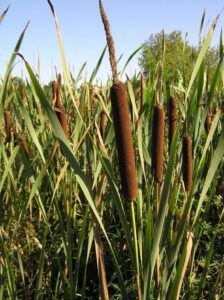
General information
Cattail (Typha latifolia), known by the Indigenous term kwutáltxw, is one of the most extensively utilized medicinal plants by Indigenous peoples.
Traditional Indigenous Uses
From its roots, leaves, and golden pollen came remedies for nearly every part of the body. When cuts, burns, or infections troubled the skin, the soft gel from the base of the leaves or the crushed roots were applied directly to heal and soothe. The pollen, when sprinkled over wounds, helped stop bleeding and cleanse infections, while ash from burned leaves was sometimes used to treat internal or postpartum bleeding, its astringent strength helping the body recover.
For those suffering from problems of the kidneys or urinary tract, the roots were boiled into a tea to ease pain, clear infection, and help the body release water more freely. The same tea was used to calm the stomach during times of diarrhea or digestive upset. Women often turned to Cattail for support during menstruation or lactation, using the roots or pollen in gentle teas to balance and strengthen the body.
Cattail was also used to ease swelling and joint pain, its rhizomes and gel acting as natural anti-inflammatories. The pollen and roots were used to treat asthma, coughs, and other respiratory troubles, and even the sap from its base could be applied to toothaches or mouth infections.
The green flower spikes and shoots can be eaten boiled or roasted. The roots and inner stalks have been baked and eaten. The leaves have been made into lightweight baskets and used to make mats, clothing, storage bags, and mattresses. The pollen from the cattail can be applied to wounds to stop bleeding and it can be ingested to stop internal bleeding and menstrual pain. It’s also a blood cleanser. Mashed cattail roots make a poultice for treating blisters, boils, cysts, stings and infections, while the brown flower can be used to make a tea for treating diarrhea. The roots were used internally to cure kidney stones. Many used the down to prevent chafing in infants and as a pillow and mattress stuffing, and the roots and young shoots were often eaten, as was the pollen. Cattail has also been used to treat cuts, burns, stings and bruises. The roots were split and bruised to be used as a poultice to cover the wounds. Ash from the burned leaves are antiseptic and the sap from the base of the plant can be applied to toothaches or small cuts.
Biochemical Basis for Medicinal Properties
Major Bioactive Compound Classes
- Saponins
Saponins, flavonoids and coumarins were detected in the rhizome flour and Typha rhizomes present a wide variety of chemical compounds, among them saponins, coumarins and flavonoids.
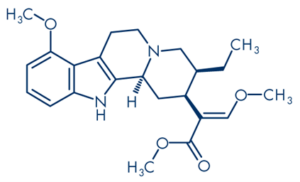
Chemical Structure and Properties
General Saponin Structure: Aglycone (Triterpene/Steroid) + Sugar Chain(s)
Biological Activities
– Hemolytic activity (membrane disruption)
– Anti-inflammatory effects
– Antimicrobial properties
– Wound healing acceleration
Mechanisms of Action
- Membrane permeabilization: Saponins interact with cholesterol in cell membranes
- Anti-inflammatory: Inhibition of inflammatory mediators
- Antimicrobial: Disruption of microbial cell walls
- Flavonoids
Various antioxidant flavonoids and coumarin derivatives have been reported as protective products to prevent and treat intestinal inflammatory processes.
Key Flavonoid Compounds in Cattail:
- Quercetin derivatives: Antioxidant and anti-inflammatory
- Kaempferol glycosides: Vascular protection
- Luteolin compounds: Neuroprotective effects
Chemical Reactions
Flavonoid Antioxidant Mechanism:
Flavonoid-OH + RO• → Flavonoid-O• + ROH
(Radical scavenging through hydrogen donation)
Anti-inflammatory Pathway:
Flavonoids → NF-κB inhibition → ↓Cytokine production
- Coumarins
The compounds typhaphthalide, typharin, sitosterol, afzelechin, epiafzelechin, (+)-catechin, and (-)-epicatechin were also isolated and identified from rhizomes of Typha capensis.
Coumarin Structure and Activity
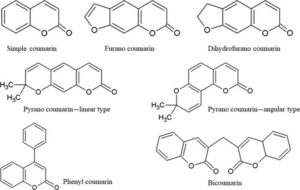
Basic Coumarin Structure: 2H-1-Benzopyran-2-one
Bioactivities
– Anti-inflammatory
– Antimicrobial
– Anticoagulant (some derivatives)
– Phototoxic (certain types)
Specific Cattail Coumarins
- Typhaphthalide: Anti-inflammatory properties
- Typharin: Potential antimicrobial activity
- Tannins and Astringent Compounds
The pollen is astringent, diuretic, emmenagogue, haemostatic, refrigerant, sedative, suppurative and vulnerary.
Astringent Mechanisms
Tannin-Protein Interaction:
Tannins + Proteins → Protein precipitation
(Results in tissue contraction and hemostasis)
Hemostatic Action
Tannins → Vasoconstriction + Platelet aggregation → Bleeding cessation
- Mucilage and Polysaccharides
Cattail gel (found at the base of the plant’s leaves) has natural antimicrobial and anti-inflammatory properties.
Mucilage Composition:
- Pectin-like polysaccharides: Wound healing matrix
- Arabinogalactans: Immune modulation
- Cellulose derivatives: Protective barrier formation
Pharmacological Mechanisms
Wound Healing Properties
Studies have shown that plant-derived mucilage like cattail gel helps accelerate skin regeneration and reduce infections.
Healing Cascade:
- Hemostasis: Tannins promote clotting
- Inflammation control: Flavonoids reduce inflammatory response
- Proliferation: Mucilage provides healing matrix
- Remodeling: Saponins facilitate tissue regeneration
Anti-inflammatory Pathways
Dietary supplementation with 10% cattail rhizome flour showed the best effects at reducing the extension of the lesion, the colon weight ratio, adherences to adjacent organs and diarrhea. These effects were related to inhibition of myeloperoxidase (MPO) and alkaline phosphatase (AP) activities and an attenuation of glutathione (GSH) depletion.
Molecular Mechanisms
Cattail Compounds → ↓MPO activity → ↓Neutrophil activation → ↓Alkaline phosphatase → ↓Tissue damage → ↑GSH levels → ↑Antioxidant capacity
Diuretic and Kidney Health
The dried pollen is said to be anticoagulant, but when roasted with charcoal it becomes haemostatic and is traditionally used for kidney stones.
Diuretic Mechanisms
- Increased glomerular filtration: Flavonoid-mediated vasodilation
- Inhibited sodium reabsorption: Saponin effects on renal tubules
- Enhanced water excretion: Osmotic effects of polysaccharides
Specific Chemical Compounds and Structures
Typhaphthalide
Chemical Formula: C₁₅H₁₆O₄
Structure: Coumarin derivative with anti-inflammatory properties
Mechanism: COX-2 inhibition → ↓Prostaglandin synthesis → ↓Inflammation
Cattail Saponins
Aglycone: Triterpene backbone (often oleanolic acid type)
Sugar chains: Glucose, rhamnose, arabinose combinations
Activity: Membrane interaction → Antimicrobial + Anti-inflammatory
Catechins and Epicatechins
Structure: Flavan-3-ol compounds
(+)-Catechin: Antioxidant, anti-inflammatory
(-)-Epicatechin: Vascular protection, wound healing
Reaction: Catechin + Free radical → Stable quinone + Neutralized radical
Modern Scientific Validation
- Anti-inflammatory efficacy: Equal to prednisolone in colitis models
- Antioxidant activity: Significant glutathione preservation
- Safety profile: No adverse effects at therapeutic doses
Phytochemical Analysis
The qualitative phytochemical analysis indicated the presence of saponins, flavonoids and coumarin derivatives in the cattail rhizome flour.
Analytical Methods:
- HPLC-MS: Identification of specific compounds
- Spectroscopic analysis: Structural elucidation
- Bioassay-guided fractionation: Activity correlation
Traditional Preparation Methods
Wound Treatment Applications
Cut a fresh cattail leaf and squeeze out the gel from its base. Apply directly to cuts, burns, or rashes for relief. Repeat twice daily for best results.
Internal Medicine Preparations
First, gather young cattail shoots and rinse them. Then, boil in water for 10–15 minutes. Strain and drink warm to support digestion and immunity.
Hemostatic Applications
Cattail pollen is collected in summer, dried in the sun, ground, and sifted into powder. The plants bloom from May to July.
Safety Considerations and Contraindications
Traditional Safety Guidelines
Ensure harvesting from clean water sources – cattails grow in wetlands and may absorb pollutants if grown in contaminated areas. If experiencing pollen allergies, avoid using cattail pollen, as it may trigger reactions.
Modern Safety Considerations
- Environmental contamination: Cattails bioaccumulate heavy metals and pollutants
- Allergic reactions: Pollen sensitivity in susceptible individuals
- Drug interactions: Potential interactions with anticoagulants
Environmental Remediation
Cattails grown in poisoned arsenic water have reduced the poisonous level by 89%.
References
- 1) Elders and Community members of the Cayoose Creek Band of Sekw’el’was
- 2) Moerman, D. E. (1998). Native American ethnobotany. Timber Press.
- 3) Fruet, A. C., Seito, L. N., & Di Stasi, L. C. (2012). Dietary intervention with narrow-leaved cattail rhizome flour (Typha angustifolia) prevents intestinal inflammation in the trinitrobenzenesulphonic acid model of rat colitis. BMC Complementary and Alternative Medicine, 12, 62. https://doi.org/10.1186/1472-6882-12-62
- 4) Shode, F. O., Mahomed, A. S., & Rogers, C. B. (2002). Typhaphthalide and typharin, two phenolic compounds from Typha capensis. Phytochemistry, 61(8), 955–957. https://doi.org/10.1016/S0031-9422(02)00439-9
- 5) Varghese, S., Narmadha, R., Gomathi, D., Kalaiselvi, M., & Devaki, K. (2009). Phytochemical screening and HPTLC fingerprinting of Typha angustifolia International Journal of Pharma Research and Development, 1(8), 1–7.
- 6) Grace, J. B., & Harrison, J. S. (1986). The biology of Canadian weeds. 73. Typha latifolia, Typha angustifolia L. and Typha × glauca Godr. Canadian Journal of Plant Science, 66(2), 361–379. https://doi.org/10.4141/cjps86-051
- 7) Smith, S. G. (1987). Typha: Its taxonomy and the ecological significance of hybrids. Archiv für Hydrobiologie, Beihefte Ergebnisse der Limnologie, 27, 129–138
- 8) Zunigha, C. (2021, April 20). Plants as medicine: Lenape healing traditions continue today. Columbia University School of Nursing. https://www.nursing.columbia.edu/news/plants-medicine-lenape-healing-traditions-continue-today
- 9) White Rabbit Institute of Healing. (2025). Cattail (Pu Huang) — Traditional medicine monograph. Retrieved September 24, 2025, from https://www.whiterabbitinstituteofhealing.com/herbs/cattail/
- 10) The Northwest Forager. (2014, April 17). Retrieved September 24, 2025, from https://thenorthwestforager.com/2014/04/17/cattail/
- 11) Pojar, J., & MacKinnon, A. (1994). Plants of the Pacific Northwest Coast: Washington, Oregon, British Columbia and Alaska. Lone Pine Publishing.