6 Cottonwood Salve
Names
Common name – Black Cottonwood
Scientific name – Populus trichocarpa
Other names – nekw’nikw’az
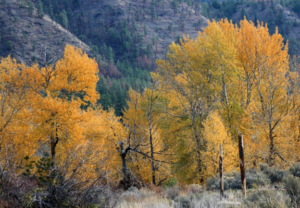
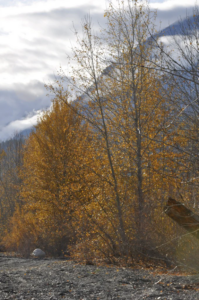
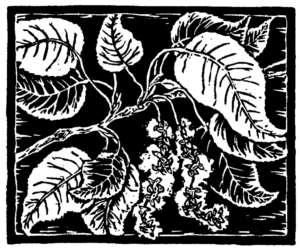
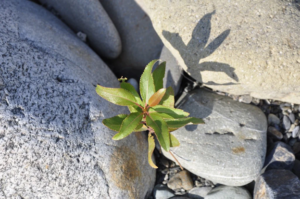
Traditional Indigenous Uses
From its buds and inner bark, people drew remedies for the body’s pain and the spirit’s endurance. When coughs, colds, or even tuberculosis took hold, they would brew a warm tea from the bark or an infusion from the sticky buds, letting the steam ease the breath and soothe the lungs.
For aching joints and weary muscles, the people would make poultices from the bark or create a fragrant salve from the buds to rub into sore places, bringing relief to those who suffered from rheumatism or arthritis. The same resin that eased pain was also used on cuts, burns, and wounds, as a protective layer helping the skin to heal.
When swelling or bruising came from a fall or strain, decoctions from the bark and preparations from the buds helped draw out the inflammation and calm the hurt. The tree’s bark tea was also known to reduce fevers and help those struggling with the flu find rest and strength again.
If stomach troubles or diarrhea troubled a person, the inner bark was steeped into a gentle tea to calm the gut. For the eyes, especially when snow blindness or infection caused discomfort, a wash from the bark or resin from the buds would be used carefully to bring healing. And for the skin, when rashes, eczema, or infections appeared, a balm made from the buds or a wash from the bark would cleanse and soothe, restoring balance to the body.
Biochemical Basis of Medicinal Properties
Key Bioactive Compounds
- Salicin and Salicylates
The primary medicinal compound in Black Cottonwood is salicin, a phenolic glycoside that serves as a precursor to salicylic acid.
Chemical Structure of Salicin
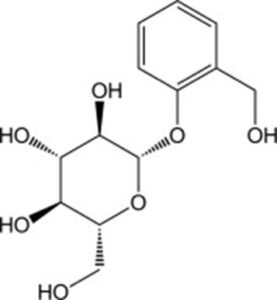
Metabolic Conversion: Salicin → Saligenin → Salicylic acid
This conversion occurs through enzymatic hydrolysis in the body:
- β-glucosidase cleaves the glycosidic bond
- Oxidation of saligenin produces salicylic acid
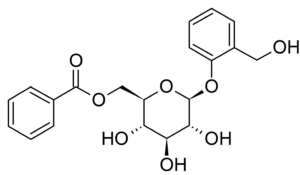
- Populin
Another important salicylate compound found in Black Cottonwood:
- Chemical formula: C20H22O8
- A benzoyl ester of salicin
- Provides similar anti-inflammatory effects
- Flavonoids
Major flavonoids include:
- Chrysin (5,7-dihydroxyflavone)
- Pinocembrin (5,7-dihydroxyflavanone)
- Galangin (3,5,7-trihydroxyflavone)
These compounds contribute to:
- Anti-inflammatory activity
- Antimicrobial properties
- Antioxidant effects
- Tannins
Condensed tannins (proanthocyanidins) provide:
- Astringent properties for wound healing
- Antimicrobial activity
- Anti-inflammatory effects
Mechanism of Action
Anti-inflammatory Pathway
- Salicylic acid inhibits cyclooxygenase (COX) enzymes
- Reduces prostaglandin synthesis
- Decreases inflammation and pain
Antimicrobial Activity
- Disruption of bacterial cell walls (tannins)
- Inhibition of bacterial enzyme systems (flavonoids)
- Interference with bacterial DNA replication (populin)
References
1) Elders and Community members of the Cayoose Creek Band of Sekw’el’was
2) Pearl, I. A., & Darling, S. F. (1968). Studies on the barks of the family Salicaceae—XVII. Trichoside, a new glucoside from the bark of Populus trichocarpa. Phytochemistry, 7(5), 825–829. https://doi.org/10.1016/S0031-9422(00)84838-4
3) Pearl, I. A., & Darling, S. F. (1971). The structures of salicortin and tremulacin. Phytochemistry, 10(12), 3161–3166. https://doi.org/10.1016/S0031-9422(00)97369-2
4) Okińczyc, P., Szumny, A., Szperlik, J., Zając, A., Żarowska, B., & Krzyżek, P. (2024). Phytochemical profiles and antimicrobial activity of selected Populus bud extracts (including P. trichocarpa clones). Molecules, 29(2), 437. https://doi.org/10.3390/molecules29020437
5) Ristivojević, P., Trifković, J., Andrić, F., & Milojković-Opsenica, D. (2015). Poplar-type propolis: Chemical composition, botanical origin and biological activity (documents chrysin, pinocembrin, galangin typical of Populus bud exudates). Natural Product Communications, 10(11), 1869–1876. https://doi.org/10.1177/1934578X1501001117
6) Vane, J. R., & Botting, R. M. (2003). The mechanism of action of aspirin (COX inhibition underpinning salicylate analgesic/anti-inflammatory effects). Thrombosis Research, 110(5–6), 255–258. https://doi.org/10.1016/S0049-3848(03)00379-7