76 Whitebark Pine
Names
Common name – Whitebark Pine
Scientific name – Pinus albicaulis
Other names – zaxalmíxważ’
Important Note: Whitebark Pine is considered a species of conservation concern, so any traditional or modern use must be approached with appropriate conservation considerations and respect for Indigenous knowledge systems.
General Information
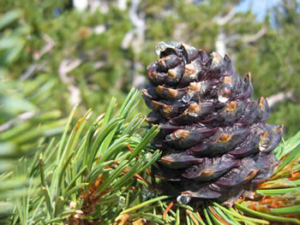
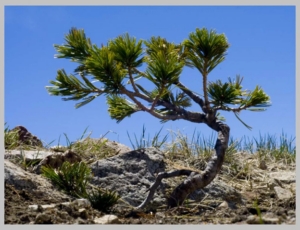
Whitebark Pine (Pinus albicaulis) is a high-elevation conifer native to the mountainous regions of western North America, including the Rocky Mountains, Sierra Nevada, and Cascade Range. This hardy tree, which often marks the treeline in subalpine environments, has been an important resource for Indigenous peoples of the region for centuries. Like other pine species, Whitebark Pine contains valuable medicinal compounds in its bark, needles, and resin. Indigenous communities, particularly those in the interior Pacific Northwest, Northern Rockies, and Great Basin regions, have traditionally utilized various parts of this tree for medicinal purposes, though its high-elevation habitat has made it less accessible than lower-elevation pine species. The tree’s medicinal properties are primarily attributed to its rich content of monoterpenes, diterpenes, and phenolic compounds found in its resin and bark.
Traditional Indigenous Uses
The needles and inner bark were boiled into teas or used in steam baths to treat coughs, colds, and lung troubles like bronchitis and pneumonia. The same teas were also taken for stomach pain or digestive troubles, helping the body to settle and heal from within.
The resin or pitch of the Whitebark Pine was considered medicine for the skin. It was softened by the fire and placed directly on wounds, burns, or infections to draw out impurities and seal the skin. Sometimes it was mixed into salves or poultices with bark, creating an antiseptic that prevented infection and encouraged healing. For aching joints and sore muscles, baths made from the bark or needles brought relief, their warmth soothing pain from rheumatism or long days of work. Those who suffered from kidney or urinary troubles also drank mild teas made from the inner bark, which were said to cleanse and strengthen the body’s waters.
The seeds, known as pine nuts, were gathered from the cones and eaten raw or roasted, offering energy and strength during the colder months. The fresh needles were also chewed or brewed to ward off scurvy. In ceremonies, its branches and needles were burned, the smoke cleansing both body and spirit.
Biochemical Basis for Medicinal Properties
Primary Bioactive Compounds
1. Monoterpenes (Essential Oil Components)
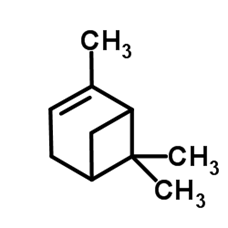
α-Pinene (Primary Active Compound)
- Chemical Formula: C₁₀H₁₆
- Concentration: 25-90% of essential oil in pine species
- Structure: Bicyclic monoterpene
- Properties: Antimicrobial, anti-inflammatory, bronchodilator, memory enhancer
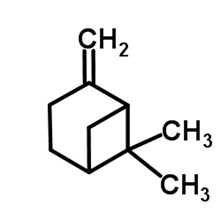
β-Pinene
- Chemical Formula: C₁₀H₁₆
- Concentration: 5-25% of essential oil
- Structure: Bicyclic monoterpene (isomer of α-pinene)
- Properties: Antimicrobial, anti-inflammatory, analgesic
Limonene
- Chemical Formula: C₁₀H₁₆
- Properties: Antioxidant, anti-inflammatory, antimicrobial
Myrcene
- Properties: Analgesic, anti-inflammatory, muscle relaxant
2. Diterpenes and Resin Acids
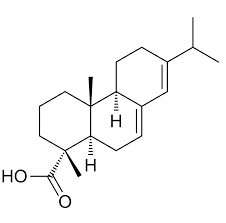
Abietic Acid
- Chemical Formula: C₂₀H₃₀O₂
- Source: Rosin fraction of pine resin
- Properties: Antimicrobial, anti-inflammatory
Pimaric Acid
- Chemical Formula: C₂₀H₃₀O₂
- Properties: Antimicrobial, wound healing
Dehydroabietic Acid
- Properties: Antioxidant, antimicrobial
3. Phenolic Compounds
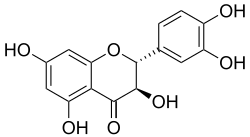
Taxifolin (Dihydroquercetin)
- Chemical Formula: C₁₅H₁₂O₇
- Source: Bark extract
- Properties: Strong antioxidant, anti-inflammatory, hepatoprotective
Catechins
- Properties: Antioxidant, antimicrobial, anti-inflammatory
Phenolic Acids
- Properties: Antioxidant, antimicrobial
4. Additional Bioactive Compounds
Vitamin C (Ascorbic Acid)
- Source: Fresh needles
- Properties: Antiscorbutic, immune support, antioxidant
Shikimic Acid
- Properties: Antiviral, anti-inflammatory precursor
Chemical Structures of some Key Compounds
α-Pinene
β-Pinene
Abietic Acid
Taxifolin
Mechanism of Action
Antimicrobial Activity
- Cell membrane disruption by monoterpenes
- Protein denaturation by resin acids
- Oxidative stress induction in microbial cells
- Biofilm inhibition by phenolic compounds
Anti-inflammatory Properties
- Cyclooxygenase (COX) inhibition by monoterpenes and phenolics
- Lipoxygenase inhibition reducing inflammatory mediators
- Nuclear factor-κB (NF-κB) pathway modulation
- Cytokine production reduction
Respiratory Benefits
- Bronchodilation through β-adrenergic receptor activation
- Mucolytic activity facilitating mucus clearance
- Antimicrobial action against respiratory pathogens
- Anti-inflammatory effects in airways
Antioxidant Mechanisms
- Free radical scavenging by phenolic compounds
- Metal chelation by flavonoids
- Enzyme system support (glutathione, catalase)
- Lipid peroxidation inhibition
Pharmacological Activities
| Activity | Responsible Compounds | Mechanism | Traditional Application |
| Antimicrobial | α-pinene, β-pinene, resin acids | Cell membrane disruption, protein denaturation | Wound care, infections, respiratory ailments |
| Anti-inflammatory | Monoterpenes, taxifolin, phenolics | COX inhibition, cytokine modulation | Joint pain, skin conditions, respiratory inflammation |
| Antioxidant | Taxifolin, catechins, phenolic acids | Free radical scavenging, metal chelation | General health, wound healing, aging |
| Bronchodilator | α-pinene, β-pinene | β-adrenergic activation, smooth muscle relaxation | Respiratory conditions, asthma-like symptoms |
| Analgesic | Monoterpenes, myrcene | Neuronal modulation, inflammation reduction | Pain relief, joint discomfort |
| Antiscorbutic | Vitamin C (needles) | Collagen synthesis, immune support | Scurvy prevention, general health |
Biochemical Reactions
Monoterpene Biosynthesis
Geranyl diphosphate → [Cyclization] → α-Pinene/β-Pinene + Diphosphate
Oxidative Reactions
α-Pinene + O₂ → [Auto-oxidation] → Verbenone + Other oxidized products
Resin Acid Formation
Geranylgeranyl diphosphate → [Cyclization/Oxidation] → Abietic acid derivatives
Antioxidant Activity
Taxifolin + Free Radical → Taxifolin radical + Neutralized radical
Safety and Dosage Considerations
Safety Profile
- Generally safe when used traditionally in appropriate doses
- Skin sensitization possible with concentrated resin
- Gastrointestinal irritation with excessive internal use
- Respiratory irritation with excessive inhalation
Traditional Dosage Guidelines
- Needle tea: 1-2 teaspoons dried needles per cup of hot water
- Bark decoction: Small amounts of inner bark, well-diluted
- Topical resin: Applied sparingly to affected areas
- Steam inhalation: Brief exposure to needle-infused steam
Modern Research Validation
Confirmed Activities
- Antimicrobial properties: Validated against various pathogens including bacteria and fungi
- Anti-inflammatory effects: Demonstrated in multiple laboratory and clinical studies
- Antioxidant activity: Confirmed through various assay methods
- Respiratory benefits: Supported by pharmacological research on monoterpenes
Clinical Applications
- Respiratory health: Modern pine needle extracts used in cough preparations
- Topical treatments: Pine-derived compounds in wound care products
- Aromatherapy: Essential oils for respiratory and mood benefits
- Nutritional supplements: Pine bark extracts for antioxidant support
Important Disclaimers
Cultural Respect: This information represents traditional knowledge systems that should be approached with appropriate respect and cultural protocols. Traditional Indigenous knowledge is the intellectual property of Indigenous communities.
Medical Disclaimer: This information is provided for educational purposes only. Traditional preparations should not be attempted without proper guidance from qualified practitioners familiar with both traditional methods and modern safety considerations.
Conservation Note: Whitebark Pine is considered a species of conservation concern in many areas due to climate change, disease, and other threats. Sustainable harvesting practices should always be followed, and in many areas, the species may be protected by law.
Identification Warning: Proper botanical identification is essential, as some plants may be confused with toxic species. Always ensure correct identification before any medicinal use.
References
1) Elders and Community members of the Cayoose Creek Band of Sekw’el’was
2) Coppen, J. J. W. (1995). Flavors and fragrances of plant origin (Non-wood forest products; No. 1). Food and Agriculture Organization of the United Nations. https://www.fao.org/4/v5350e/v5350e.pdf
3) Flora of North America Editorial Committee. (n.d.). Pinus albicaulis (whitebark pine). In Flora of North America North of Mexico (Vol. 2). Flora of North America / eFloras.
4) S. Fish & Wildlife Service. (2022, December 15). Endangered and threatened wildlife and plants; Threatened species status with section 4(d) rule for whitebark pine (Pinus albicaulis). Federal Register, 87(240), 76890–76922. (Effective January 17, 2023)
5) Moerman, D. E. (1998). Native American Ethnobotany Database: Pinus albicaulis (whitebark pine). Botanical Research Institute of Texas (BRIT)
6) Mercier, B., Prost, J., & Prost, M. (2009). The essential oil of turpentine and its major volatile fraction (α- and β-pinenes): A review. International Journal of Occupational Medicine and Environmental Health, 22(4), 331–342. https://doi.org/10.2478/v10001-009-0032-5
7) Salehi, B., Upadhyay, S., Erdogan Orhan, I., Kumar Jugran, A., Jayaweera, S. L. D., Dias, D. A., … Sharifi-Rad, J. (2019). Therapeutic potential of α- and β-pinene: A miracle gift of nature. Biomolecules, 9(11), 738. https://doi.org/10.3390/biom9110738
8) Sunil, C., & Xu, B. (2019). An insight into the health-promoting effects of taxifolin (dihydroquercetin). Phytochemistry, 166, 112066. https://doi.org/10.1016/j.phytochem.2019.112066
9) Park, B. B., An, J. Y., & Park, S. U. (2021). Recent studies on pinene and its biological and pharmacological activities. EXCLI Journal, 20, 812–818. https://doi.org/10.17179/excli2021-3714