41 Lance-Leaved Stonecrop
Names
Common name – Lance-Leaved Stonecrop
Scientific name – Sedum lanceolatum
Other name – spearleaf stonecrop
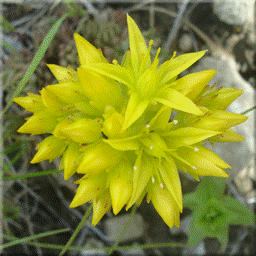
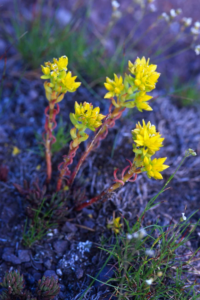
General Information
Lance-Leaved Stonecrop (Sedum lanceolatum), also known as spearleaf stonecrop, is a hardy perennial succulent in the stonecrop family (Crassulaceae) native to western North America. This resilient plant typically grows 2-8 inches tall, forming compact rosettes of thick, spear-shaped, blue-green to reddish succulent leaves that can reach 1-2 inches in length. The plant produces bright yellow, star-shaped flowers arranged in dense, flat-topped clusters (cymes) on erect stems during summer months, creating a striking contrast against the fleshy foliage. This alpine specialist thrives in exposed, rocky mountainous habitats at moderate to high elevations, reaching up to 4,048 meters (13,281 feet) in the Rocky Mountains. The plant’s remarkable adaptability allowed it to persist and evolve on sky islands and nunataks during Pleistocene glaciation events, making it one of the most cold-hardy and drought-tolerant plants in its range. Indigenous peoples across western North America have traditionally recognized this hardy succulent for its medicinal properties, particularly for women’s health, digestive ailments, and wound care.
Traditional Indigenous Uses
After childbirth, women would use an infusion or decoction of the whole plant to cleanse and strengthen the womb, helping the body to return to balance. It was known as a gentle but thorough medicine, its tea or wash supporting women’s reproductive health through menstrual irregularities and fertility concerns. The same plant, when prepared as a mild infusion, acted as a laxative to ease constipation and relieve sluggish digestion, and when chewed in moderation, its leaves settled the stomach and improved appetite.
Its leaves were applied directly to cuts, scrapes, and wounds to draw out infection and speed recovery. Poultices made from the stems and leaves reduced swelling, bruises, and sprains, while an external wash of the plant soothed rashes and other skin irritations. The fresh juice was prized for treating burns and sunburns, its cooling touch calming the skin after exposure to fire or heat. Even the eyes could benefit from its gentle infusion, which relieved redness and inflammation.
A mild tea made from the dried plant served as a tonic for overall wellness, keeping the body steady through the changing seasons. A weak infusion supported kidney function and helped flush the system, while the fresh leaves could be eaten in emergencies for nourishment and hydration.
Biochemical Compounds and Their Medicinal Properties
- Piperidine Alkaloids (Primary Bioactive Compounds)
Three Most Important Compounds:
(i) Sedamine – Major Sedum alkaloid
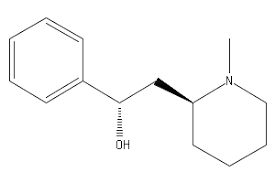
(ii) Sedridine (C₈H₁₇NO) – Related alkaloid
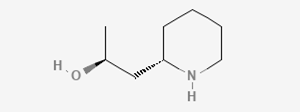
(iii) Isopelletierine (C₈H₁₅NO) – Piperidine alkaloid

Medicinal Properties:
- Smooth muscle stimulant: Stimulates uterine contractions for postpartum cleansing
- Digestive stimulant: Enhances gastrointestinal motility and peristalsis
- Anti-inflammatory: Reduces tissue inflammation and swelling
- Antimicrobial: Provides protection against bacterial infections
- Saponins (Supporting Compounds)
Three Most Important Compounds:
(i) Triterpenoid Saponins (General structure C₃₀H₄₈O + sugar moieties)
(ii) Oleanane-type Saponins
(iii) Ursane-type Saponins
- Flavonoids and Phenolic Compounds
Most Important Compound:
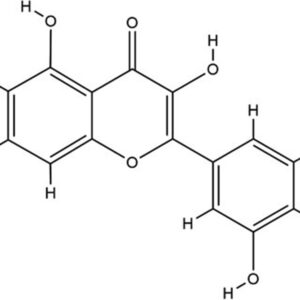
Quercetin (C₁₅H₁₀O₇) – Primary flavonol
Proposed Biochemical Mechanisms for Traditional Uses
Postpartum Uterine Cleansing (Whole Plant Infusions)
- Piperidine alkaloids act through:
- Direct smooth muscle stimulation of uterine tissue
- Enhanced uterine contractions promoting tissue expulsion
- Increased blood flow facilitating healing
- Saponins contribute:
- Antimicrobial protection preventing postpartum infections
- Astringent properties supporting tissue contraction
- Anti-inflammatory effects reducing postpartum inflammation
Laxative and Digestive Effects (Plant Infusions)
- Alkaloids (sedamine, sedridine) provide:
- Stimulation of intestinal smooth muscle contractions
- Enhanced peristalsis and bowel movement
- Increased digestive secretions
- Saponins facilitate:
- Increased intestinal water absorption
- Enhanced bile flow and fat digestion
- Gentle mucosal irritation promoting elimination
Wound Healing and Anti-inflammatory Action (Topical Applications)
- Saponins act as:
- Natural surfactants cleaning wounds
- Anti-inflammatory agents reducing tissue swelling
- Antimicrobial compounds preventing infection
- Flavonoids provide:
- Antioxidant protection of healing tissues
- Enhanced collagen synthesis and tissue repair
- Improved circulation to wound sites
Chemical Reactions and Molecular Interactions
Smooth Muscle Stimulation (Alkaloids)
Sedamine → Calcium channel activation → ↑ Ca²⁺ influx → Enhanced muscle contraction → Uterine/intestinal motility
Piperidine alkaloids → Acetylcholine receptor modulation → Increased neuromuscular transmission → Enhanced peristalsis
Anti-inflammatory Mechanism (Saponins + Flavonoids)
Triterpenoid saponins → NF-κB pathway inhibition → ↓ Pro-inflammatory cytokines → Reduced tissue inflammation → Pain relief
Quercetin → COX-2 enzyme inhibition → ↓ Prostaglandin synthesis → Anti-inflammatory and analgesic effects
Antimicrobial Action (Multiple Compounds)
Saponins → Bacterial membrane disruption → Cell lysis → Cholesterol binding → Membrane destabilization
Alkaloids → Bacterial enzyme inhibition → Growth arrest → Metabolic disruption → Cell death
Wound Healing Acceleration (Saponins + Flavonoids)
Saponins → Enhanced cell membrane permeability → ↑ Nutrient delivery → Improved cellular function → Faster tissue repair
Flavonoids → VEGF expression ↑ → Enhanced angiogenesis → Improved blood supply → Accelerated healing
Digestive Stimulation (Alkaloid-mediated)
Sedamine → Enteric nervous system activation → ↑ Gastric motility → Enhanced digestive enzyme secretion → Improved digestion
Isopelletierine → Smooth muscle calcium sensitization → Increased intestinal contractions → Laxative effect
Safety Considerations and Traditional Wisdom
Traditional Preparation Guidelines
Indigenous knowledge emphasizes:
- Moderate consumption: Leaves should be eaten in moderation due to potential toxicity
- Proper preparation: Traditional infusion methods reduce potential adverse effects
- Appropriate timing: Specific uses aligned with physiological needs
- Individual sensitivity: Recognition of personal tolerance levels
Alkaloid Content Considerations
The presence of piperidine alkaloids requires careful attention to:
- Dosage limitations: Traditional use emphasizes small amounts
- Preparation methods: Proper extraction techniques
- Duration of use: Typically short-term traditional applications
- Special populations: Particular caution during pregnancy (except specific postpartum uses)
Cultural and Ecological Significance
Alpine Adaptation and Potency
The extreme environments where lance-leaved stonecrop thrives contribute to concentrated bioactive compounds:
- High altitude stress: Increases secondary metabolite production
- Temperature extremes: Enhance protective compound synthesis
- UV exposure: Stimulates flavonoid and phenolic production
- Drought conditions: Concentrate active substances in succulent tissues
Traditional Ecological Knowledge
Indigenous practices recognize:
- Seasonal timing: Optimal collection periods for maximum efficacy
- Sustainable harvesting: Careful collection preserving slow-growing populations
- Habitat respect: Understanding stonecrop’s specialized ecological niche
- Multi-generational knowledge: Time-tested preparation and application methods
References
1) Elders and Community members of the Cayoose Creek Band of Sekw’el’was
2) Botanical Realm. (2024, October 15). Lanceleaf stonecrop (Sedum lanceolatum). https://www.botanicalrealm.com/plant-identification/lanceleaf-stonecrop-sedum-lanceolatum/
3) Wang, B.-L., Ge, Z.-K., Qiu, J.-R., Luan, S.-Q., Hao, X.-C., & Zhao, Y.-H. (2024). Sedum aizoon: A review of its history, traditional uses, nutritional value, botany, phytochemistry, pharmacology, toxicology, and quality control. Frontiers in Pharmacology, 15, 1349032. https://doi.org/10.3389/fphar.2024.1349032
4) Natural Medicinal Herbs. (n.d.). Medicinal herbs: Spearleaf stonecrop (Sedum lanceolatum). https://www.naturalmedicinalherbs.net/herbs/s/sedum-lanceolatum=spearleaf-stonecrop.php net
5) Bates, R. W., & Sa-Ei, K. (2002). Syntheses of the sedum and related alkaloids. Tetrahedron, 58(30), 5957–5978. https://doi.org/10.1016/S0040-4020(02)00584-7 demo.elsevierpure.com
6) (n.d.). Sedum—An overview. ScienceDirect Topics. https://www.sciencedirect.com/topics/agricultural-and-biological-sciences/sedum
7) Chevé-Kools, E., Gentelet, F., Morais Fernandes, J., Zucolotto, S. M., Ruprich-Robert, G., Chapeland-Leclerc, F., & Grougnet, R. (2025, July 3). Nitrogen-containing metabolites in the Crassulaceae family: Structures, biological activities, occurrence and phylogeny. Phytochemistry Reviews. https://doi.org/10.1007/s11101-025-10139-0
8) Succulent Hub. (2025, January 22). Sedum: The versatile succulent you didn’t know was medicinal. https://succulentshub.org/sedum-the-versatile-succulent-you-didnt-know-was-medicinal/
9) Washington Native Plant Society. (n.d.). Sedum lanceolatum. https://www.wnps.org/native-plant-directory/421:sedum-lanceolatum
10) Wild About Flowers. (n.d.). Sedum lanceolatum—Lance-leaved stonecrop. https://wildaboutflowers.ca/products/stonecrop-lance-leaved
11) Sedum lanceolatum. Retrieved September 28, 2025, from https://en.wikipedia.org/wiki/Sedum_lanceolatum
12) Sedum. Retrieved September 28, 2025, from https://en.wikipedia.org/wiki/Sedum