10 Rose Hip Tea
Names
Common name – Rose Hip
Scientific Name: Rosa woodsii or Rosa acicularis
Other Names: qel’q, Prairie Rose, Prickly Rose, Prickly Wild Rose, Wild Rose, Artic Rose

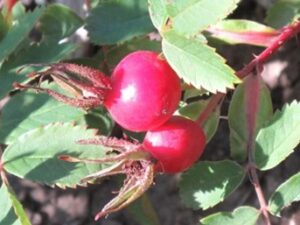
The tea could be called Nekwensut (to warm oneself). Rose hips are also sometimes called Rose Haws.
The prairie rose was used for a number of medicinal purposes, although the most used component is the rose hip, which remains once the petals fall away. The petals of the roses were used to treat pinkeye, while the rosehips were made into tea which was consumed to prevent illness. Sometimes referred to as “pseudo-fruits”, rose hips contain many vitamins and compounds such as flavonoids, carotenoids and fatty acids which can have many health benefits.
In particular, rose hips are high in Vitamin C which plays a role in preventing illness. Although rose hips were used to make tea, they were only consumed as fruits when alternative food sources were not available. There is some literature to suggest that consuming large quantities of rosehips could give someone an “itchy bottom”.
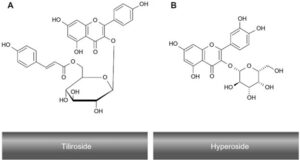
Some of the medicinal effects attributed to rose hips may be due to the presence of constituents such as linoleic acid and α-linolenic acid which have been shown to have anti-inflammatory properties. Some of the major phenolic compounds found in rose hips are quercetin and gallic acid, as well as tiliroside and hyperoside.

Traditional Indigenous Uses
Rose Hips were treasured for their life-giving power, especially in the cold moons when food was scarce and the people needed to keep their strength. Gathered after the first frost, the fruits were eaten fresh, or dried and stored for tea through the long winter. Their warmth and richness protected the people from scurvy and weakness, keeping the body strong when fresh greens were gone. A tea made from the hips soothed sore throats and coughs, helping to clear colds and bronchitis, while also easing stomach pain, indigestion, and diarrhea.
The roots and hips were also used for cleansing the kidneys and bladder, helping with urinary troubles, and strengthening the heart and blood. A mild tea of rosehips was often given to children for colic or fever, and the petals, steeped in warm water, were used to wash sore or inflamed eyes. Crushed leaves and petals made a gentle poultice for cuts and burns, drawing out the heat and helping the skin to heal. Women drank rose hip tea to support their health and balance, especially during times of weakness or recovery. Beyond its medicine, the rose was also food. Its fruit was cooked into syrup or jam or eaten right from the bush.
References
[1] Elders and Community members of the Cayoose Creek Band of Sekw’el’was
[2] Splitrock Environmental [Internet]. Prairie Rose (qel’q). Lillooet (BC). [Accessed December 19th 2024]. https://splitrockenvironmental.ca/products/prairie-rose-qel- q?variant=40368083304614
[3] Winther K, Vinther Hansen AS, Campbell-Tofte (2015). Bioactive Ingredients of Rose Hips (Rosa Canina L) with Special Reference to Antioxidative and Anti-Inflammatory Properties: In Vitro Studies. [Accessed October 27 2024]. https://doi.org/10.2147/BTAT.S91385
[4] Joseph L. nd. Recipe: Rosehip, Nettle and Mint Tea for Boosting Immunity [Internet]. Skwalwen [Accessed on October 20 2024]. https://skwalwen.com/blogs/news/recipe- rosehip-nettle-and-mint-tea-for-boosting-immunity
[5] Marmol I, Sanchez-de-Diego C, Jimenez-Moreno N, Ancin-Azpilicueta C, Rodriguez-Yoldi MJ. (2017) Therapeutic Applications of Rose Hips from Different Rosa Species. Int. J. of Molecular Sciences 18(6). doi: 3390/ijms18061137