23 Brown-Eyed Susan
Names
Common name – Brown-Eyed Susan
Scientific name – Rudbeckia triloba
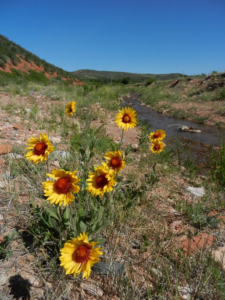
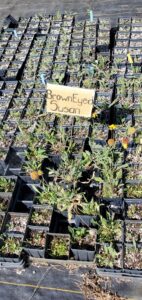
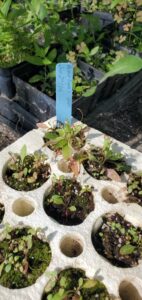
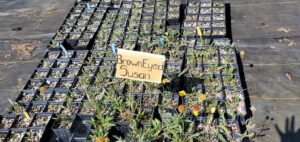
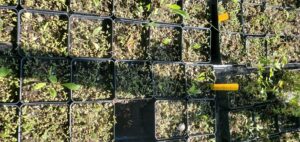
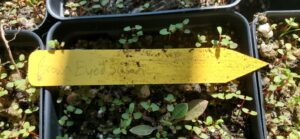
General information
Traditional uses include: flower petals ground up and made into soup or tea for dropsy, flux and some private diseases, as a diuretic, tonic, a soothing agent, cardiovascular problems, and given to children with worms. As a wash, it was used on snakebites, burns, open wounds, and swelling caused by worms.
Traditional Indigenous Uses
Brown-Eyed Susan was a bright and healing plant, one whose yellow petals and strong roots brought medicine for both the body and the spirit. The roots were steeped into tea to treat coughs, colds, and asthma, easing the breath and clearing the lungs. The same infusion helped children suffering from worms, cleansing the body from within. The petals, when brewed into soup or tea, calmed the stomach and helped with diarrhea and other digestive troubles.
For wounds and injuries, the leaves and roots were crushed into poultices or used as washes to heal burns, snake bites, and open sores. The plant’s soothing touch also brought relief to swellings and skin irritations. Some used the roots as a diuretic to cleanse the urinary tract, and the petals as a gentle heart tonic, strengthening the blood and lifting fatigue. The juice of the roots was applied for earaches and headaches, and teas made from the whole plant were used to bring down fever.
Biochemical Basis for Medicinal Properties
Major Bioactive Compounds
- Sesquiterpene Lactones
Bioactive sesquiterpene lactones, such as rudmollin, rudamollitrin, alloalantolactone, 3-oxoalloalantone, and rudbeckolide are the primary compounds responsible for the medicinal effects.
Chemical Structure and Properties:
- Rudbeckolide: A pseudoguaianolide-type sesquiterpene lactone
- Rudmollin: Shows antileukemia activity and antimicrobial properties
- Pulchelin E: A particular type of sesquiterpene lactone that is isolated from Black-eyed Susan plants in particular. This compound has been shown to be the active member in anti-worm activity, anti-inflammatory responses, and antibacterial properties.
Mechanism of Action: Sesquiterpenes reduce harm by microbial attack by disruption of a microbe’s cell membrane, an effect attributable to the polar groups on these anti-microbial compounds disrupting the phospholipid membrane.
Most focus their effect on the nuclear factor κB (NF-κB). NF-κB responds to a variety of stimuli, for example UV, interleukins, endotoxins, tumor necrosis factors, and bacterial antigens.
- Monoterpene Hydrocarbons
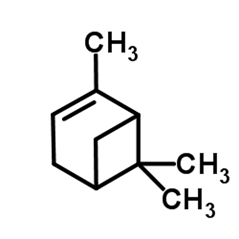
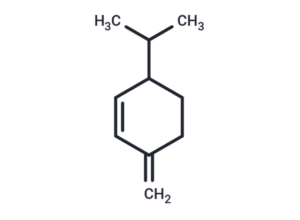
The main phytochemical constituents identified by GC-MS analysis were found to be α-pinene (in dried leaves (46.0%) and flowers (40.1%)) and β-phellandrene (in essential oil of dried inflorescences (26.09%)).
α-Pinene Properties:
- Anti-inflammatory
- Antimicrobial
- Bronchodilator (explaining traditional asthma treatment)
β-Phellandrene Properties:
- Antioxidant activity
- Antimicrobial effects
- Phenolic Compounds
The hydroalcoholic macerate of petals was found to present the maximum phenolic and flavonoid contents (130.29 ± 5.58 mg gallic acid equivalent/g dry vegetable material and 30.72 ± 1.35 mg quercetin equivalent/g dry vegetable material, resp.)
Key Phenolic Compounds:
- Chlorogenic acid: Antioxidant and anti-inflammatory
- Quercetin glycosides: Anti-inflammatory and antimicrobial
- Caffeic acid: Antioxidant properties
- Other Bioactive Compounds
Polysaccharides, are abundant in many Rudbeckia spp. with immunomodulating properties.
Pharmacological Mechanisms
Anti-inflammatory Activity
Investigation into bioactive compounds has revealed that Rudbeckia spp. also exhibit antioxidant, anti-tumor, immunomodulating, and antimycobacterial properties.
Antioxidant Properties
The obtained results on Rudbeckia triloba extracts indicate significant antioxidant activity, especially of macerate of petals (resulted by applying Folin–Ciocalteu, total flavonoids, and DPPH· assays).
The data obtained after performing the antioxidant assays revealed that the Rudbeckia hirta methanolic extract presented similar iron chelation capacity to that of quercetin, which was used as positive control, with EC50 values of 0.42 ± 0.00 and 0.42 ± 0.01 mg/mL final solution, respectively.
Antimicrobial Mechanisms
Regarding the activity shown on Gram-positive bacteria, the extract obtained from Rudbeckia hirta flowers (Rh-MeOH) proved to possess a good capacity.
Recent studies have shown that extracts from Rudbeckia roots are more effective at stimulating the immune system than its more famous medicinal cousin, the Echinacea. Rudbeckia subtomentosa specifically has recently been shown to contain chemical compounds that can be used to suppress the bacteria that causes tuberculosis.
Chemical Reactions and Molecular Mechanisms
Sesquiterpene Lactone Biosynthesis
The biosynthesis follows the mevalonic acid pathway:
- Acetyl-CoA → Mevalonic acid → Isopentenyl pyrophosphate (IPP)
- IPP + Dimethylallyl pyrophosphate (DMAPP) → Farnesyl pyrophosphate (FPP)
- FPP → Sesquiterpene skeleton → Lactone ring formation
Antioxidant Reaction Mechanisms
The phenolic compounds act through hydrogen donation: R-OH + Free Radical• → R-O• + H-Radical
The resulting phenoxy radical (R-O•) is stabilized by resonance, breaking the chain reaction of lipid peroxidation.
Antimicrobial Action
Sesquiterpene lactones disrupt microbial cell membranes through:
- Membrane destabilization via polar group interactions
- Protein denaturation through covalent bonding with sulfhydryl groups
- DNA intercalation affecting replication
Safety Considerations
The seeds of most Black-Eyed Susans are poisonous, so avoid using the seed for any herbal uses. Black-eyed Susan tea should be strained to remove the irritating hairs. Caution: contact sensitivity to the plant has been reported.
References
- Elders and Community members of the Cayoose Creek Band of Sekw’el’was
- Moerman, D. E. (1998). Native American ethnobotany. Timber Press.
- Moerman, D. E. (2009). Native American medicinal plants: An ethnobotanical dictionary. Timber Press.
- Moldovan, Z., Buleandra, M., Oprea, E., & Mînea, Z. (2017). Studies on chemical composition and antioxidant activity of Rudbeckia triloba. Journal of Analytical Methods in Chemistry, 2017, 3407312. https://doi.org/10.1155/2017/3407312
- Vardeman, E., Whitehouse, K., Hopkins, M., Dsouza, S., & Gill, R. (2022). The genus Rudbeckia: A critical review of its traditional medicinal uses, phytochemistry and pharmacology. Journal of Herbal Medicine, 31, 100530. https://doi.org/10.1016/j.hermed.2021.100530
- U.S. Department of Agriculture, Natural Resources Conservation Service. (n.d.). Culturally significant plants. Retrieved September 24, 2025, from https://plants.usda.gov/culturally-significant-plants
- Burlec, A. F., Pecio, Ł., Mircea, C., Tuchiluș, C., Corciovă, A., Danciu, C., Cioancă, O., Caba, I. C., Pecio, S., Oleszek, W., & Hăncianu, M. (2023). Preliminary Phytochemical and Biological Evaluation of Rudbeckia hirta Flowers. Plants, 12(15), 2871. https://doi.org/10.3390/plants12152871
- Rodriguez, E., Towers, G. H. N., & Mitchell, J. C. (1976). Biological activities of sesquiterpene lactones. Phytochemistry, 15(11), 1573–1580. https://doi.org/10.1016/S0031-9422(00)97430-2
- Picman, A. K. (1986). Biological activities of sesquiterpene lactones. Biochemical Systematics and Ecology, 14(3), 255–281. https://doi.org/10.1016/0305-1978(86)90101-8
- Rodriguez, E., Towers, G. H. N., & Mitchell, J. C. (1976). Biological activities of sesquiterpene lactones. Phytochemistry, 15(11), 1573–1580. https://doi.org/10.1016/S0031-9422(00)97430-2
- Ebringerová, A., Kardosová, A., Hromádková, Z., Malovíková, A., & Hríbalová, V. (2002). Immunomodulatory activity of acidic xylans in relation to their structural and molecular properties. International Journal of Biological Macromolecules, 30(1), 1–6. https://doi.org/10.1016/S0141-8130(01)00186-6
- Kardošová, A., Matulová, M., & Malovíková, A. (1998). (4-O-methyl-α-D-glucurono)-D-xylan from Rudbeckia fulgida var. sullivantii. Carbohydrate Research, 308(1–2), 99–105. https://doi.org/10.1016/S0008-6215(98)00072-X
- Lu, L., Zhao, Y., Yi, G. et al. Quinic acid: a potential antibiofilm agent against clinical resistant Pseudomonas aeruginosa. Chin Med 16, 72 (2021). https://doi.org/10.1186/s13020-021-00481-8