14 Yarrow Tea
Names
Common name – Yarrow
Scientific name – Achillea millefolium
Other names – k’ets’yu7á7lhep, Soldier’s Woundwort, Nosebleed, Herbe a dindes, Thousand Leaf, Old Man’s Pepper, Devil’s Nettle
 General Information
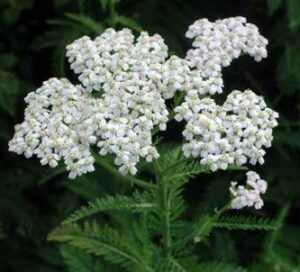
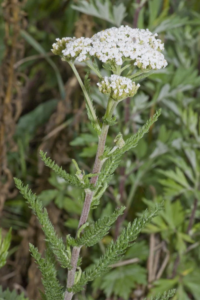
Yarrow (Achillea millefolium) stands as one of the most widely used and revered medicinal plants in Indigenous North American traditional medicine systems. This hardy perennial herb, native to temperate regions of the Northern Hemisphere, has earned the reputation as a true “panacea” among healing plants. With its distinctive feathery leaves and clusters of small white to pink flowers, yarrow has been utilized by Indigenous peoples for many years. The plant’s remarkable versatility in treating everything from wounds and bleeding to digestive disorders and respiratory ailments has made it an indispensable component of traditional pharmacopoeias. Some considered it a “life medicine,” while numerous other tribes recognized its powerful healing properties. Yarrow’s medicinal efficacy stems from its complex array of bioactive compounds, including essential oils rich in chamazulene and sesquiterpenes, flavonoids, and phenolic compounds that work synergistically to provide anti-inflammatory, antimicrobial, and hemostatic effects.
The best known use of Yarrow is as a wound remedy. It is used to stop bleeding, both from wounds or from menstruation. Other uses include applications as a sedative or painkiller. Ingesting yarrow may also help with urinary tract infections and heartburn. It is also valued for its anti-inflammatory properties and can be applied topically to injuries such as sprains or bruises. Yarrow contains many bioactive compounds, including flavonoids such as cymaroside I and cosmosiin II. Interestingly, the first time anti-spasmodic flavonoids were isolated, it was from the yarrow plant. Additionally, yarrow contains terpenoids, lignans, fatty acids and alkamides. Some nitrogen containing lipophilic compounds result in the insecticide and anti-inflammatory uses of yarrow.
Traditional Indigenous Uses
Yarrow is a powerful plant used for many ailments and for restoring balance to the body. Its leaves and flowers were brewed into teas to ease fever, stomach pain, and digestive upset, while crushed fresh leaves were pressed onto wounds to stop bleeding and speed healing. Women relied on Yarrow for support during menstruation, childbirth, and recovery, and its steam and teas helped relieve colds, coughs, and lung troubles.
The plant also soothed the skin and eased pain. Poultices and washes made from Yarrow relieved rashes, burns, and joint inflammation, while teas calmed anxiety, encouraged restful sleep, and restored strength during illness. For those suffering from internal bleeding or blood disorders, Yarrow’s astringent power was called upon to bring balance back to the body.
Beyond its physical healing, Yarrow held a sacred role in ceremony. Burned as a smudge, it purified and protected, cleansing the spirit as much as the body.
Biochemical Basis for Medicinal Properties
Primary Bioactive Compounds
1. Essential Oil Components
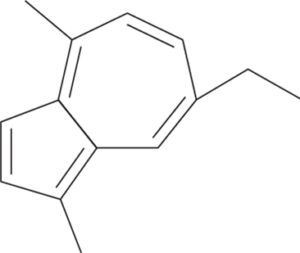
Chamazulene (Primary Anti-inflammatory Compound)
- Chemical Formula: C₁₄H₁₆
- Concentration: Variable, formed during distillation from precursors
- Properties: Potent anti-inflammatory, antimicrobial, wound healing
- Mechanism: COX inhibition, inflammatory mediator reduction
- Traditional correlation: Wound healing, skin conditions
β-Thujone
- Concentration: 0.4-55.3% of essential oil
- Chemical Formula: C₁₀H₁₆O
- Properties: Antimicrobial, digestive stimulant, mild psychoactive
- Traditional use: Digestive disorders, respiratory conditions
1,8-Cineole (Eucalyptol)
- Concentration: 1.2-19.8% of essential oil
- Properties: Antimicrobial, anti-inflammatory, expectorant
- Traditional correlation: Respiratory ailments, coughs
Trans-nerolidol
- Concentration: 0.4-48.1% of essential oil
- Properties: Anti-inflammatory, antimicrobial, sedative
- Traditional use: Sleep disorders, skin conditions
Camphor
- Concentration: 0.6-25.5% of essential oil
- Properties: Analgesic, antimicrobial, circulatory stimulant
- Traditional correlation: Pain relief, wound treatment
2. Flavonoids
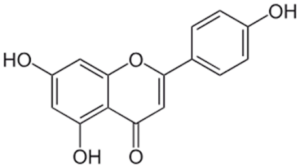
Apigenin
- Chemical Formula: C₁₅H₁₀O₅
- Properties: Anti-inflammatory, antispasmodic, mild sedative
- Mechanism: GABA receptor modulation, COX inhibition
- Traditional use: Digestive issues, nervous system support
Rutin
- Chemical Formula: C₂₇H₃₀O₁₆
- Properties: Vascular protective, anti-inflammatory, antioxidant
- Traditional correlation: Bleeding control, vascular health
Luteolin
- Properties: Anti-inflammatory, antimicrobial, neuroprotective
- Traditional use: Nervous system conditions, inflammation
Kaempferol Derivatives
- Properties: Antioxidant, anti-inflammatory, antimicrobial
- Mechanism: Free radical scavenging, enzyme modulation
3. Sesquiterpenes and Sesquiterpene Lactones
Germacrene-D
- Concentration: 2-20.6% of essential oil
- Properties: Anti-inflammatory, antimicrobial, insecticidal
- Traditional correlation: Wound protection, skin conditions
δ-Cadinol
- Properties: Antimicrobial, anti-inflammatory
- Traditional use: Antiseptic applications, wound care
Achillin (Sesquiterpene Lactone)
- Properties: Anti-inflammatory, digestive bitter, antimicrobial
- Traditional correlation: Digestive disorders, appetite stimulation
4. Phenolic Compounds
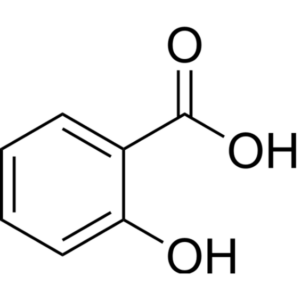
Salicylic Acid
- Chemical Formula: C₇H₆O₃
- Properties: Anti-inflammatory, analgesic, antipyretic
- Mechanism: COX inhibition (similar to aspirin)
- Traditional use: Pain relief, fever reduction
Chlorogenic Acid
- Properties: Antioxidant, anti-inflammatory, antimicrobial
- Traditional correlation: General healing, digestive support
Isovaleric Acid
- Properties: Mild sedative, antispasmodic
- Traditional use: Sleep disorders, nervous tension
5. Additional Bioactive Compounds
Asparagine
- Properties: Amino acid with diuretic properties
- Traditional use: Urinary tract health, kidney support
β-Sitosterol
- Properties: Anti-inflammatory, immune-modulating
- Traditional correlation: General wellness, immune support
Chemical Structures of some Key Compounds
Chamazulene
Apigenin
Salicylic Acid
Mechanism of Action
Hemostatic (Bleeding Control) Properties
- Vasoconstriction by volatile compounds
- Platelet aggregation enhancement by flavonoids
- Coagulation pathway activation by astringent compounds
- Tissue contraction by tannins and astringent principles
Anti-inflammatory Mechanisms
- Cyclooxygenase (COX-1/COX-2) inhibition by chamazulene and salicylic acid
- Lipoxygenase inhibition by sesquiterpenes
- Nuclear factor-κB (NF-κB) pathway modulation
- Cytokine production reduction (TNF-α, IL-1β, IL-6)
Antimicrobial Activity
- Cell membrane disruption by essential oil components
- Protein denaturation by phenolic compounds
- DNA/RNA synthesis inhibition by flavonoids
- Biofilm formation inhibition by multiple compounds
Digestive Support
- Bitter principles stimulating digestive secretions
- Smooth muscle antispasmodic effects by flavonoids
- Antimicrobial activity against digestive pathogens
- Anti-inflammatory effects in GI tract
Nervous System Effects
- GABA receptor modulation by apigenin
- Mild sedative effects by volatile compounds
- Stress hormone modulation by adaptogenic compounds
- Neuroprotective effects by antioxidant flavonoids
Biochemical Reactions
Chamazulene Formation (During Distillation)
Matricin (precursor) → [Heat/Steam distillation] → Chamazulene + CO₂ + H₂O
COX Inhibition Pathway
Salicylic acid → COX-1/COX-2 binding → ↓ Prostaglandin synthesis → ↓ Inflammation
Hemostatic Mechanism
Flavonoids → Platelet activation → Aggregation → Clot formation → Bleeding cessation
Antimicrobial Action
Essential oils → Bacterial cell membrane → Membrane disruption → Cell lysis → Death
Traditional Preparation Methods
Wound Treatment Poultice
- Method: Fresh leaves crushed or chewed to release juices
- Application: Applied directly to wounds, cuts, or bleeding areas
- Active compounds: Chamazulene, tannins, flavonoids
- Benefits: Immediate hemostatic and antimicrobial effects
Digestive Tea
- Preparation: Dried flowers and leaves steeped in hot water
- Dosage: 1-2 teaspoons per cup, taken 2-3 times daily
- Active extraction: Flavonoids, bitter principles, volatile oils
- Traditional use: Stomach problems, fever, general digestive support
Respiratory Steam Inhalation
- Method: Fresh or dried plant material added to hot water
- Application: Steam inhalation for respiratory conditions
- Active compounds: Volatile oils (1,8-cineole, camphor, thujone)
- Benefits: Antimicrobial, anti-inflammatory, expectorant effects
Pain Relief Preparations
- External: Crushed fresh plant applied topically
- Internal: Mild tea preparations for systemic anti-inflammatory effects
- Active compounds: Salicylic acid, chamazulene, sesquiterpenes
- Traditional correlation: Joint pain, muscle soreness, inflammatory conditions
Safety and Dosage Considerations
Safety Profile
- Generally safe when used traditionally in appropriate amounts
- Allergic reactions possible in individuals sensitive to Asteraceae family
- Pregnancy considerations: Traditional contraindications during early pregnancy
- Drug interactions: Potential interaction with anticoagulant medications
Traditional Dosage Guidelines
- Internal use: 1-3 cups of tea daily, prepared with 1-2 teaspoons dried herb
- External use: Fresh plant applied as needed to affected areas
- Acute conditions: Frequent small doses rather than large single doses
- Chronic conditions: Regular moderate use over extended periods
Contraindications
- Pregnancy: Traditional avoidance during first trimester
- Bleeding disorders: Caution with anticoagulant medications
- Allergies: Avoid if sensitive to Asteraceae family plants
- Surgery: Discontinue use 2 weeks before scheduled surgery
Important Disclaimers
Cultural Respect: Traditional Indigenous knowledge of yarrow represents thousands of years of accumulated wisdom and practical experience. This knowledge belongs to Indigenous communities and should be approached with appropriate respect, acknowledgment, and cultural protocols.
Medical Disclaimer: This information is provided for educational purposes only. While Yarrow has a long history of traditional use, modern medical applications should be supervised by qualified healthcare providers familiar with both traditional and contemporary safety considerations.
Quality and Identification: Proper botanical identification is essential. Wild harvesting should be done sustainably and with appropriate permissions. Commercial preparations should be obtained from reputable sources with standardized active compound content.
Individual Variation: Responses to Yarrow can vary significantly among individuals. Traditional preparations were often personalized based on individual constitution, specific conditions, and seasonal factors.
Conservation: While Yarrow is generally abundant, sustainable harvesting practices should always be followed to ensure continued availability for both traditional and modern uses.
References
1) Elders and Community members of the Cayoose Creek Band of Sekw’el’was
2) Applequist, W. L., & Moerman, D. E. (2011). Yarrow (Achillea millefolium): A neglected panacea? A review of ethnobotany, bioactivity, and biomedical research. Economic Botany, 65(2), 209–225. https://doi.org/10.1007/s12231-011-9154-3
3) Ali, S. I., Gopalakrishnan, B., & Venkatesalu, V. (2017). Pharmacognosy, phytochemistry and pharmacological properties of Achillea millefolium: A review. Phytotherapy Research, 31(8), 1140–1161. https://doi.org/10.1002/ptr.5840
4) Yaeesh, S., Jamal, Q., Khan, A.-U., & Gilani, A. H. (2006). Studies on hepatoprotective, antispasmodic and calcium antagonist activities of the aqueous–methanol extract of Achillea millefolium. Phytotherapy Research, 20(7), 546–551. https://doi.org/10.1002/ptr.1897
5) Kazemi, M. (2015). Chemical composition and antimicrobial, antioxidant activities and anti-inflammatory potential of Achillea millefolium, Anethum graveolens L., and Carum copticum L. essential oils. Journal of Herbal Medicine, 5(4), 217–222. https://doi.org/10.1016/j.hermed.2015.09.001
6) European Medicines Agency. (2019). European Union herbal monograph on Achillea millefolium , herba (Revision 1) [Draft]. Committee on Herbal Medicinal Products
7) Moerman, D. E. (1998). Native American ethnobotany. Timber Press.
8) Jones (2024). Medicinal Herbs of Western Canada. First Edition. Nova Scotia. Nimbus Publishing. p124-125
9) Saeidnia S, Gohari AR, Mokhber-Dezfuli N, Kiuchi 2011. A Review on Phytochemistry and Medicinal Properties of the Genus Achillea. DARU J. of Pharmaceutical Sciences. 19(3). https://pmc.ncbi.nlm.nih.gov/articles/PMC3232110/