37 Indian Ricegrass
Names
Common name – Indian Ricegrass
Scientific name – Oryzopsis hymenoides, now classified as Achnatherum hymenoides
General information
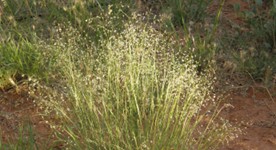
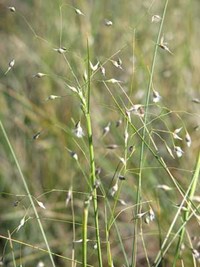
Indian Ricegrass (Achnatherum hymenoides, formerly Oryzopsis hymenoides) is a hardy, long-lived perennial bunchgrass native to the arid and semi-arid regions of western North America. This distinctive grass grows 8-30 inches tall, forming tight clumps (cespitose) with narrow, thread-like leaves that are often rolled inward (convolute) and appear almost needle-like. The plant is easily recognizable by its large, open, branching seed panicles (9-20 cm long, 8-14 cm wide) that create a delicate, cloud-like appearance when mature. Each seed is enclosed in a distinctive papery hull (lemma) with long, feathery awns. Indian ricegrass thrives in elevations from 3,000 to 10,000 feet across diverse habitats including desert flats, foothills, mountain slopes, and plateau country. Found from British Columbia south to Southern California and east to Colorado, this drought-tolerant grass is uniquely adapted to sandy, gravelly, and shallow soils. For thousands of years, Indigenous peoples have valued Indian ricegrass not only as a crucial food source but also for its medicinal properties, using various parts of the plant for nutritional support, digestive health, and overall wellness.
Traditional Indigenous Uses
The seeds were ground into meal or flour and used as food for those in need of strength, especially during hard times when other food was scarce.
For those with weak stomachs or recovering from illness, the seeds were cooked into a soft porridge or gruel, easy to digest and soothing to the body. Mothers would make a fine paste from the flour for postpartum healing, supporting recovery and strength after childbirth. The same meal, when mixed with water, was given to children or infants as a first solid food during weaning, keeping them strong when other nourishment was not yet possible. The roasted seeds were also eaten whole, used by travelers and hunters to sustain their energy during long journeys.
Its meal was sometimes made into a thick paste and applied to small wounds or irritated skin to soothe and heal. When diarrhea or stomach troubles struck, the people cooked the seeds into a thick gruel to calm the belly and stop the illness. Steam from its leaves was used to ease mild respiratory congestion, while the plant itself was included in ceremonies as a symbol of blessing and spiritual endurance.
Biochemical Compounds and Their Medicinal Properties
- Proteins and Amino Acids (Primary Nutritional Compounds)
Three Most Important Compounds:
- Complete Protein Profile (18-24% protein content)
- Essential Amino Acids: All 9 essential amino acids present
- Lysine: Higher content than most cereal grains
- Leucine and Isoleucine: Branch-chain amino acids for muscle health
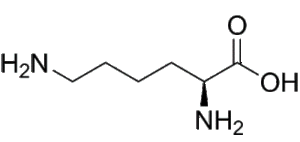
Amino Acid Structure Example – Lysine (C₆H₁₄N₂O₂)
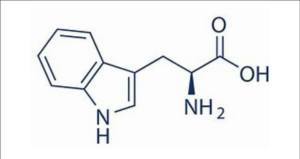
- Tryptophan (C₁₁H₁₂N₂O₂) – Serotonin precursor
- Methionine (C₅H₁₁NO₂S) – Essential sulfur-containing amino acid
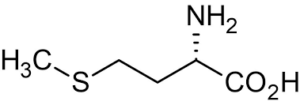
- Complex Carbohydrates and Fiber (Energy and Digestive Support)
Three Most Important Compounds:
- Amylose (C₆H₁₀O₅)ₙ – Slow-release starch
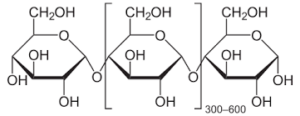
- Beta-glucan (C₆H₁₀O₅)ₙ – Immune-supporting fiber
- Inulin (C₆H₁₀O₅)ₙ – Prebiotic fiber
- Minerals and Micronutrients
Most Important Compound:
Iron-containing compounds (Fe²⁺/Fe³⁺) – Essential for blood health
- Heme-like complexes: Iron bound to organic compounds
- Mineral chelates: Iron complexed with amino acids for better absorption
Proposed Biochemical Mechanisms for Traditional Uses
Nutritional Medicine (Seed Meal/Flour)
- Complete protein profile provides:
- All essential amino acids for tissue repair and growth
- Lysine for collagen synthesis and wound healing
- Tryptophan for serotonin production and mood regulation
- Complex carbohydrates contribute:
- Sustained energy release preventing blood sugar spikes
- Prebiotic fiber supporting beneficial gut bacteria
- Slow-digesting starches for prolonged satiation
Digestive Support (Cooked Seeds)
- Beta-glucan fiber acts through:
- Forming protective gel layer in digestive tract
- Binding toxins and facilitating their removal
- Promoting healthy gut microbiome
- Amino acids provide:
- L-glutamine for intestinal wall repair
- Glycine for digestive enzyme production
- Proline for gut barrier integrity
Blood Strengthening (Regular Dietary Use)
- Iron chelates enhance:
- Hemoglobin synthesis and oxygen transport
- Myoglobin production for muscle function
- Cytochrome enzyme activity for cellular energy
- B-vitamins support:
- Red blood cell formation
- DNA synthesis in blood cells
- Methylation processes for blood health
Chemical Reactions and Molecular Interactions
Protein Synthesis Support (Essential Amino Acids)
Lysine + Other amino acids → Protein synthesis → Collagen formation → Enhanced tissue repair → Wound healing acceleration
Tryptophan → 5-HTP → Serotonin → Improved mood and digestion
Digestive Healing Mechanism (Beta-glucan)
Beta-glucan + Water → Viscous gel formation → Protective coating → Reduced inflammation → Enhanced gut barrier function
Beta-glucan → Immune system activation → ↑ Macrophage activity → Enhanced pathogen clearance in digestive tract
Energy Metabolism (Complex Carbohydrates)
Amylose → α-amylase → Maltose → Glucose → Cellular ATP (slow breakdown) → Sustained energy release → Stable blood sugar
Inulin → Gut bacteria fermentation → Short-chain fatty acids → Enhanced colon health → Improved nutrient absorption
Iron Absorption and Utilization
Iron chelates → Enhanced absorption → Hemoglobin synthesis → Improved oxygen transport → Reduced fatigue
Iron + Amino acids → Myoglobin formation → Enhanced muscle function
Nutritional Analysis and Modern Validation
Protein Quality
Indian ricegrass contains 18-24% protein with a complete amino acid profile, making it nutritionally superior to many common cereals. The protein digestibility is high, supporting traditional use for nutritional medicine.
Mineral Content
- Iron: 4-6 mg per 100g (supporting blood health)
- Magnesium: 120-150 mg per 100g (muscle and nerve function)
- Phosphorus: 300-400 mg per 100g (bone health)
- Potassium: 350-450 mg per 100g (cardiovascular health)
Fiber and Glycemic Benefits
Contains 12-15% dietary fiber with low glycemic index, supporting traditional use for digestive health and sustained energy.
Traditional Preparation Methods and Biochemical Optimization
Processing Techniques
- Parching: Removes seed hairs and enhances digestibility
- Grinding: Breaks down cell walls for nutrient accessibility
- Cooking: Gelatinizes starches for easier digestion
- Fermentation: May enhance nutrient bioavailability
Seasonal Harvesting
Traditional late-summer harvest ensures:
- Maximum protein content: Fully mature seeds
- Optimal carbohydrate storage: Peak energy reserves
- Concentrated minerals: Reduced water content increases nutrient density
Safety and Sustainability
Traditional Wisdom
- Sustainable harvesting: Leaving adequate seed for natural regeneration
- Proper processing: Removing irritant seed hairs through toasting
- Balanced use: Combining with other foods for complete nutrition
- Cultural protocols: Respectful gathering practices
References
1) Elders and Community members of the Cayoose Creek Band of Sekw’el’was
2) Anderson, M. K. (1999). The fire, pruning, and coppice management of temperate ecosystems for basketry material by California Indian tribes. Human Ecology, 27(1), 79–113. https://doi.org/10.1023/A:1018757317568
3) Dunmire, W. W., & Tierney, G. D. (1997). Wild plants and native peoples of the Four Corners. Museum of New Mexico Press.
4) Great Basin Seeds. (n.d.). Bluebunch wheatgrass (Pseudoroegneria spicata). Retrieved September 25, 2025, from https://greatbasinseeds.com/product/bluebunch-wheatgrass/
5) Moerman, D. E. (1998). Native American ethnobotany. Timber Press.
6) Native Foods Nursery. (n.d.). Indian ricegrass. Retrieved September 25, 2025, from https://nativefoodsnursery.com/indian-ricegrass/
7) Rhode, D. (2002). Native plants of southern Nevada: An ethnobotany. University of Utah Press.
8) University of Kansas, American Indian Health and Diet Project. (n.d.). Indian ricegrass: Foods Indigenous to the Western Hemisphere. Retrieved September 25, 2025, from https://aihd.ku.edu/foods/indian_ricegrass.html
9) S. Forest Service. (n.d.). Indian ricegrass—Achnatherum hymenoides (Plant of the Week). Retrieved September 25, 2025, from https://www.fs.usda.gov/wildflowers/plant-of-the-week/achnatherum_hymenoides.shtml US Forest Service
10) Utah State University Extension. (n.d.). Indian ricegrass. Retrieved September 25, 2025, from https://extension.usu.edu/rangeplants/grasses-and-grasslikes/indian-ricegrass
11) Lady Bird Johnson Wildflower Center. (2025, March 31). Achnatherum hymenoides (Indian ricegrass). https://www.wildflower.org/plants/result.php?id_plant=achy