39 Junegrass
Names
Common name – Junegrass
Scientific name – Koeleria macrantha
Other names – Prairie Junegrass; Mountain Junegrass; Crested Hairgrass,
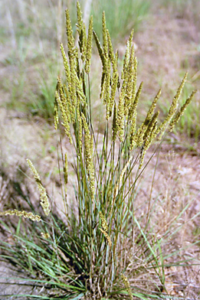
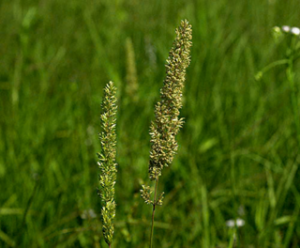
General information
Junegrass is a fine-textured, cool-season perennial bunchgrass in the family Poaceae (grass family). This hardy native grass forms dense clumps (tufts) 0.5-2 feet tall with narrow, gray-green to blue-green leaves that are primarily basal and up to 8 inches long. The distinctive silvery-green, spear-shaped flower clusters (panicles) are 2-5 inches long and held well above the foliage, appearing translucent when newly emerged and drying to an attractive buff color. This drought-tolerant grass thrives in well-drained, rocky, or sandy soils in full sun, preferring dry to medium moisture conditions and excellent drainage. Junegrass typically grows rapidly in spring, flowers by June (hence its name), and may go dormant during hot summers, making it well-adapted to harsh prairie conditions. Indigenous peoples have traditionally recognized this resilient grass for its nutritional and medicinal properties, particularly valuing its seeds and young shoots for food and various therapeutic applications.
Traditional Indigenous Uses
In early spring, the young shoots were gathered fresh or brewed into a light tea. This acted as a tonic, bringing new energy and replenishing the body’s strength after the long cold months. Its young growth was known to purify the blood and awaken vitality, while the seeds were ground into meal or flour to make a strengthening food. This meal was given to those weakened by illness or hunger, and to travelers who needed endurance for long journeys.
The plant’s roots were valued for easing stomach troubles and pain. Whether chewed raw or prepared as a decoction, they calmed indigestion and brought relief to aching joints or general body pain. For those suffering from diarrhea or weakness, the seeds were cooked into a soft gruel that settled the stomach and restored balance. When fever or illness spread, the whole plant was steeped into a tea to bring the body back to harmony, while its steam was inhaled to clear mild chest congestion and aid breathing.
The fresh leaves could be crushed into a poultice to stop bleeding and heal small wounds, while a gentle infusion of the young leaves served as an eye wash for irritation and infection. Women, especially after childbirth, used the ground seeds as a nourishing medicine to restore strength and support milk flow.
Biochemical Compounds and Their Medicinal Properties
- Phenolic Acids (Primary Bioactive Compounds)
Three Most Important Compounds:
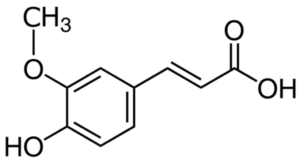
(i) Ferulic Acid (C₁₀H₁₀O₄) – Major hydroxycinnamic acid
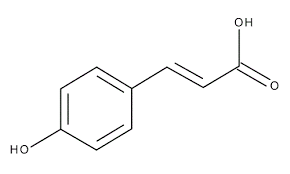
(ii) p-Coumaric Acid (C₉H₈O₃) – Hydroxycinnamic acid
(iii) Chlorogenic Acid (C₁₆H₁₈O₉) – Caffeoylquinic acid
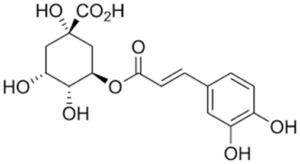
Medicinal Properties
- Antioxidant: Powerful free radical scavenging activity
- Anti-inflammatory: Inhibits inflammatory mediators and pathways
- Antimicrobial: Broad-spectrum antibacterial and antifungal effects
- Hepatoprotective: Protects liver cells from oxidative damage
- Flavonoids (Supporting Compounds)
Three Most Important Compounds:
(i) Apigenin (C₁₅H₁₀O₅) – Primary flavone
(ii) Luteolin (C₁₅H₁₀O₆) – Flavone compound
(iii) Quercetin (C₁₅H₁₀O₇) – Flavonol
- Proanthocyanidins and Tannins
Most Important Compound:
Procyanidin B1 (C₃₀H₂₆O₁₂) – Condensed tannin
Proposed Biochemical Mechanisms for Traditional Uses
Nutritional Medicine (Seeds and Young Shoots)
- Phenolic acids provide:
- Antioxidant protection during nutritional recovery
- Enhanced mineral absorption through chelation
- Anti-inflammatory support for digestive healing
- Flavonoids contribute:
- Improved circulation for nutrient delivery
- Cellular protection during metabolic recovery
- Immune system modulation
Digestive Support (Roots and Seeds)
- Proanthocyanidins act through:
- Astringent properties for diarrhea control
- Antimicrobial effects against pathogenic bacteria
- Protective coating of intestinal mucosa
- Phenolic compounds provide:
- Anti-inflammatory effects in digestive tract
- Improved digestive enzyme activity
- Enhanced gut barrier function
Spring Tonic and Blood Purification (Young Growth)
- Chlorogenic acid supports:
- Liver detoxification pathways
- Enhanced glucose metabolism
- Improved cellular energy production
- Flavonoids facilitate:
- Improved circulation and blood flow
- Antioxidant protection of blood cells
- Enhanced lymphatic drainage
Chemical Reactions and Molecular Interactions
Antioxidant Mechanism (Phenolic Acids)
Ferulic acid + ROS → Ferulic acid radical + H₂O
(Direct radical scavenging)
p-Coumaric acid + O₂•⁻ → p-Coumaric acid radical + H₂O₂
(Superoxide dismutase-like activity)
Chlorogenic acid + Fe³⁺ → Chlorogenic acid-Fe complex
(Metal chelation preventing Fenton reactions)
Anti-inflammatory Pathway (Multiple Compounds)
Phenolic acids → NF-κB pathway inhibition → ↓ Pro-inflammatory cytokines → Reduced tissue inflammation → Pain relief
Flavonoids → COX-2 enzyme inhibition → ↓ Prostaglandin synthesis → Anti-inflammatory and analgesic effects
Digestive Protection Mechanism (Tannins)
Proanthocyanidins → Protein precipitation → Astringent action → Reduced intestinal secretions → Antidiarrheal effect
Tannins → Bacterial cell wall binding → Growth inhibition → Antimicrobial protection in gut
Hepatoprotective Action (Chlorogenic Acid)
Chlorogenic acid → Nrf2 activation → ↑ Antioxidant enzyme expression → Enhanced cellular defense → Liver protection
Chlorogenic acid → Glucose-6-phosphatase inhibition → ↑ Glucose metabolism → Improved energy utilization → Enhanced vitality
Wound Healing Mechanism (Flavonoids + Phenolic Acids)
Quercetin + Apigenin → Collagen gene upregulation → ↑ Collagen synthesis → Enhanced tissue repair → Faster wound healing
Phenolic acids → Antimicrobial protection → Prevention of infection → Clean wound environment → Optimal healing conditions
Seasonal Biochemical Variation
Spring Growth (Optimal Traditional Harvest Time)
- Peak Vitamin Content: Highest levels of vitamin C and B-complex vitamins
- Maximum Phenolic Concentration: Spring stress responses increase secondary metabolites
- Optimal Digestibility: Young tissues have lower fiber, higher bioavailability
- Enhanced Bioactivity: Environmental activation increases therapeutic compounds
Seed Maturation (Summer Harvest)
- Concentrated Nutrients: Mature seeds contain concentrated proteins and minerals
- Stable Compounds: Dried seeds preserve phenolic acids and flavonoids
- Energy Storage: Peak carbohydrate and oil content for sustained nutrition
Traditional Preparation Methods and Biochemical Optimization
Seed Processing
- Parching: Heat treatment removes chaff and enhances digestibility
- Grinding: Mechanical processing increases surface area for extraction
- Fermentation: Traditional methods may enhance bioavailability
Fresh Plant Preparations
- Immediate use: Maximizes volatile compound content
- Gentle extraction: Preserves heat-sensitive vitamins and phenolics
- Seasonal timing: Spring harvest ensures peak therapeutic activity
Cultural and Ecological Significance
Sustainable Practices
Traditional Indigenous harvesting emphasizes:
- Rotational gathering: Allowing plant population recovery
- Partial harvest: Leaving adequate plant material for regeneration
- Habitat preservation: Maintaining prairie ecosystems for future generations
Nutritional Security
Junegrass historically provided:
- Emergency food source: Reliable nutrition during difficult seasons
- Travel provisions: Portable, energy-dense sustenance
- Seasonal nutrition: Fresh greens during “hunger gap” periods
Safety Considerations and Traditional Wisdom
Traditional preparation guidelines include:
- Proper identification: Distinguishing from similar grass species
- Seasonal harvesting: Optimal timing for safety and efficacy
- Appropriate processing: Traditional methods ensuring digestibility
- Moderate consumption: Using as part of balanced traditional diet
References
1) Elders and Community members of the Cayoose Creek Band of Sekw’el’was
2) Allendan Seed Company. (2025). Koeleria macrantha — Junegrass. https://www.allendanseed.com/native-seed-products/koeleria-macrantha—junegrass com
3) (2025). Junegrass (Koeleria macrantha). https://calscape.org/Koeleria-macrantha-(Junegrass)
4) Izel Native Plants. (2025). Koeleria macrantha (prairie Junegrass). https://www.izelplants.com/koeleria-macrantha-prairie-junegrass/
5) Gebashe, F., Aremu, A. O., Gruz, J., Finnie, J. F., & Van Staden, J. (2020). Phytochemical profiles and antioxidant activity of grasses used in South African traditional medicine. Plants, 9(3), 371. https://doi.org/10.3390/plants9030371
6) Missouri Botanical Garden. (2025). Koeleria macrantha — Plant Finder. https://www.missouribotanicalgarden.org/PlantFinder/PlantFinderDetails.aspx?taxonid=285326
7) (2025). Prairie Junegrass (Koeleria macrantha): Plant care & how to grow. https://plantiary.com/plant/koeleria-macrantha_12755.html
8) S. Department of Agriculture, Natural Resources Conservation Service. (2025). Koeleria macrantha (Ledeb.) Schult. https://plants.usda.gov/home/plantProfile?symbol=KOMA plants.usda.gov
9) Utah State University Extension. (2025). Western native plants — Koeleria macrantha. https://cwelwnp.usu.edu/westernnativeplants/plantlist_view.php?id=83&name=koeleriamacrantha
10) Lady Bird Johnson Wildflower Center. (2025). Koeleria macrantha (prairie junegrass). https://www.wildflower.org/plants/result.php?id_plant=KOMA org
11) Sun, W., & Shahrajabian, M. H. (2023). Therapeutic potential of phenolic compounds in medicinal plants—Natural health products for human health. Molecules, 28(4), 1845. https://doi.org/10.3390/molecules28041845