74 Western Red Cedar
Names
Common name – Western Red Cedar
Scientific name – Thuja plicata
Other names – tsátawaz’
General Information
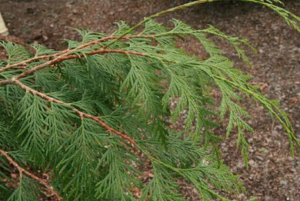
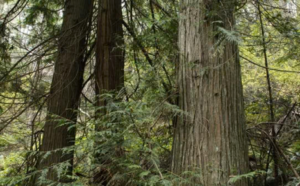
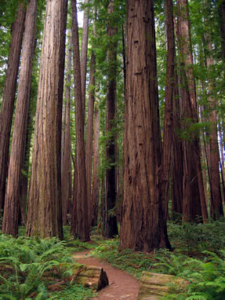
Western Red Cedar (Thuja plicata) is one of the most culturally and medicinally significant trees for Indigenous peoples of the Pacific Northwest Coast. Known as the “Tree of Life,” this majestic conifer has been central to the lives of coastal First Nations for millennia, providing not only material resources but also serving as a cornerstone of traditional medicine. The tree’s bark, leaves, and essential oils contain potent bioactive compounds that have been carefully utilized by Indigenous healers to treat a wide range of ailments, from respiratory conditions to skin infections. This sacred relationship between Indigenous peoples and Western Red Cedar represents thousands of years of accumulated knowledge about the tree’s medicinal properties and safe preparation methods.
Traditional Indigenous Uses
The leaves and bark were boiled into a tea to treat coughs, colds, and bronchitis, helping to clear the chest and ease breathing. The same tea was sometimes taken for stomach troubles or fevers, as the cedar worked to bring balance back to the body. When the leaves were steeped gently and inhaled as steam to open the lungs.
Poultices made from the bark and leaves were laid upon cuts, wounds, or infected skin to cleanse and draw out impurities. The inner bark, when softened and applied to sore muscles or swollen joints, was said to ease pain and reduce inflammation. Its essential oils, when diluted, were used carefully to fight off skin parasites and infections. Women also turned to the cedar for gentle teas that supported menstrual and uterine health, trusting its ability to restore internal harmony.
Whole branches were burned or used in smudging ceremonies to purify homes, bodies, and hearts. The smoke was believed to carry prayers upward and cleanse away sickness or sorrow, connecting the people to the Creator and to the land itself.
Biochemical Basis for Medicinal Properties
Primary Bioactive Compounds
- Monoterpenes (Essential Oil Components)
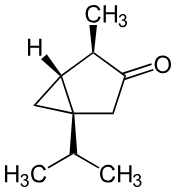
α-Thujone (Primary Active Compound)
- Concentration: 52.1%-59.2% of essential oil
- Chemical Formula: C₁₀H₁₆O
- Structure: Bicyclic monoterpene ketone
- Properties: Antimicrobial, antifungal, neurotoxic in high doses
β-Thujone
- Concentration: 2-5% of essential oil
- Similar structure to α-thujone but different stereochemistry
- Properties: Similar antimicrobial activity
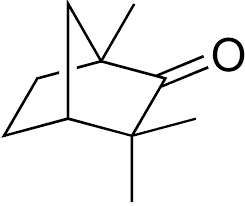
Fenchone
- Concentration: 10.0%-11.3% of essential oil
- Chemical Formula: C₁₀H₁₆O
- Properties: Antimicrobial, expectorant
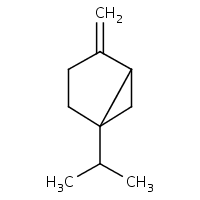
Sabinene
- Concentration: 2-5% of essential oil
- Chemical Formula: C₁₀H₁₆
- Properties: Anti-inflammatory, antimicrobial
- Thujaplicins (Unique to Thuja plicata)
α-Thujaplicin, β-Thujaplicin, γ-Thujaplicin
- Source: Heartwood
- Properties: Strong antibiotic activity, antifungal
- Structure: Tropolone derivatives (7-membered aromatic rings)
- Unique Feature: Rare natural tropolones with potent antimicrobial activity
- Diterpenes
Beyerene
- Concentration: 3.7-9.5% of essential oil
- Chemical Formula: C₂₀H₃₂
- Properties: Antimicrobial, anti-inflammatory
Rimuene
- Properties: Contributing to antimicrobial activity
Mechanism of Action
Antimicrobial Activity
The antimicrobial effects are primarily due to:
- Cell membrane disruption by monoterpenes
- Enzyme inhibition by thujaplicins
- Oxidative stress in microbial cells
Anti-inflammatory Properties
- Cyclooxygenase (COX) inhibition by monoterpenes
- Reduction of inflammatory mediators
- Modulation of immune response
Respiratory Benefits
- Bronchodilation through smooth muscle relaxation
- Expectorant action facilitated by volatile compounds
- Antimicrobial activity against respiratory pathogens
Chemical Structures of some Key Compounds
Thujone
Fenchone
Sabinene
Pharmacological Activities
| Activity | Responsible Compounds | Mechanism |
| Antimicrobial | α-thujone, β-thujone, thujaplicins | Cell membrane disruption, enzyme inhibition |
| Anti-inflammatory | Monoterpenes, diterpenes | COX inhibition, mediator reduction |
| Expectorant | Fenchone, monoterpenes | Bronchial secretion stimulation |
| Antifungal | Thujaplicins, thujones | Cell wall disruption, metabolic interference |
| Immunomodulatory | Essential oil complex | Cytokine regulation |
Safety Considerations
Thujone Toxicity
- High concentrations can cause neurotoxic effects
- Safe traditional preparations use diluted forms
- External use generally safer than internal consumption
- Pregnancy and nursing: Traditional contraindications exist
Modern Research Validation
Recent studies have confirmed many traditional uses:
- Antimicrobial activity validated against various pathogens
- Anti-inflammatory properties demonstrated in laboratory studies
- Respiratory benefits supported by pharmacological research
- Skin health applications confirmed through topical studies
Important: This information is provided for educational purposes. Traditional Indigenous knowledge should be respected and accessed appropriately with permission from knowledge holders. Always consult healthcare providers before using any medicinal plants.
References
1) Elders and Community members of the Cayoose Creek Band of Sekw’el’was
2) Lis, A., Swaczyna, A., Krajewska, A., & Mellor, K. (2019). Chemical composition of the essential oils from twigs, leaves, and cones of Thuja plicata and its cultivar varieties “Fastigiata”, “Kornik”, and “Zebrina”. Natural Product Communications, 14, 1934578X19862904. https://doi.org/10.1177/1934578X19862904
3) Malhocká, A., & Švábová, M. (2023). Diversity of the terpene synthesis in the Thuja species—A comparative chemotaxonomic study. Biochemical Systematics and Ecology, 110, 104703. https://doi.org/10.1016/j.bse.2023.104703
4) Hudson, J., Kuo, M., & Vimalanathan, S. (2011). The antimicrobial properties of cedar leaf (Thuja plicata) oil; a safe and efficient decontamination agent for buildings. International Journal of Environmental Research and Public Health, 8(12), 4477–4487. https://doi.org/10.3390/ijerph8124477
5) Vimalanathan, S., & Hudson, J. (2013). The activity of cedar leaf oil vapor against respiratory viruses: Practical applications. Journal of Applied Pharmaceutical Science, 3(11), 11–15. https://doi.org/10.7324/JAPS.2013.31103
6) Stirling, R., Kus, S., & Uzunovic, A. (2016). Inhibition of basidiospore germination by western redcedar heartwood extractives. International Biodeterioration & Biodegradation, 114, 145–149. https://doi.org/10.1016/j.ibiod.2016.06.008
7) Höld, K. M., Sirisoma, N. S., Ikeda, T., Narahashi, T., & Casida, J. E. (2000). α-Thujone (the active component of absinthe): γ-Aminobutyric acid type A receptor modulation and metabolic detoxification. Proceedings of the National Academy of Sciences of the United States of America, 97(8), 3826–3831. https://doi.org/10.1073/pnas.070042397
8) Han, X., & Parker, T. L. (2017). Arborvitae (Thuja plicata) essential oil significantly inhibited critical inflammation- and tissue-remodeling-related proteins and genes in human dermal fibroblasts. Biochim Open, 4, 56–60. https://doi.org/10.1016/j.biopen.2017.02.003