80 Wolly Pussytoes
Names
Common name – Woolly Pussytoes
Scientific name – Antennaria lanata
General Information
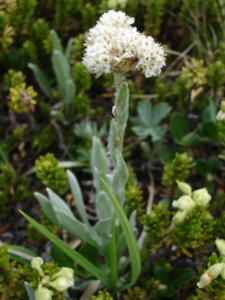
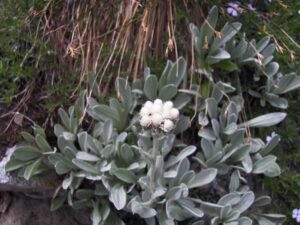
Woolly Pussytoes (Antennaria lanata) is a small, alpine perennial herb in the Asteraceae family, characterized by its distinctive woolly, silvery-white foliage that resembles cat’s paws. This hardy mountain plant is native to western North America, ranging from alpine and subalpine meadows across the northwestern United States and western Canada. Indigenous peoples of the Rocky Mountain and Pacific Northwest regions have traditionally utilized various Antennaria species, including Woolly Pussytoes, for their medicinal properties. The plant’s dense, mat-forming growth habit and woolly texture have made it valuable not only for medicine but also for practical applications such as tinder and soft padding. The medicinal properties of Antennaria species are attributed to their content of flavonoids, sesquiterpene lactones, and other bioactive compounds that contribute to their anti-inflammatory, respiratory, and digestive therapeutic effects.
Traditional Indigenous Uses
When sickness touched the lungs, the leaves and flowers were brewed into a warm tea or used in steam inhalations to soothe coughs, loosen chest congestion, and bring relief to those struggling to breathe. The same gentle tea, when taken by mouth, calmed the stomach and helped with indigestion or mild gastritis, restoring comfort after illness or heavy meals. During the cold months, it was often given to those with fevers or colds to help the body recover.
The woolly texture of the plant was used directly on the skin as a natural dressing for cuts, scrapes, and irritations. Its soft leaves acted as padding, protecting wounds from dirt while helping them to heal. For sore muscles and aching joints, the whole plant could be warmed and applied as a poultice to draw out pain and swelling. The plant’s gentle nature made it especially useful for sensitive skin and even for babies. The soft fibers were used as padding in cradles or as a natural lining for diapers.
The flowers were burned in smudging rituals.
Biochemical Basis for Medicinal Properties
Primary Bioactive Compounds (Based on Antennaria Genus Research)
1. Sesquiterpene Lactones
Typical Asteraceae Lactones
- General Structure: C₁₅H₁₈-₂₂O₂-₅
- Properties: Anti-inflammatory, antimicrobial, bitter principles
- Mechanism: Nuclear factor-κB (NF-κB) inhibition, enzyme modulation
- Examples: Lactucin-type compounds, guaianolide derivatives
2. Flavonoids
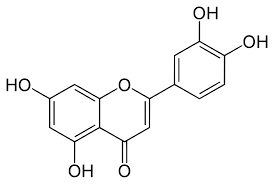
Luteolin and Derivatives
- Chemical Formula: C₁₅H₁₀O₆
- Properties: Strong anti-inflammatory, antioxidant, respiratory supportive
- Mechanism: COX inhibition, free radical scavenging
Apigenin Glycosides
- Chemical Formula: C₁₅H₁₀O₅ (aglycone)
- Properties: Anti-inflammatory, mild sedative, digestive supportive
- Traditional correlation: Digestive and calming effects
Quercetin Derivatives
- Properties: Antioxidant, anti-allergic, vascular protective
- Mechanism: Mast cell stabilization, histamine release inhibition
3. Phenolic Compounds
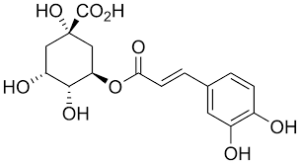
Chlorogenic Acid
- Chemical Formula: C₁₆H₁₈O₉
- Properties: Antioxidant, anti-inflammatory, antimicrobial
- Source: Leaves and flowers
Caffeic Acid Derivatives
- Properties: Antimicrobial, wound healing, anti-inflammatory
- Mechanism: Protein binding, antimicrobial activity
4. Mucilages and Polysaccharides
Neutral and Acidic Mucilages
- Composition: Complex polysaccharides
- Properties: Soothing, demulcent, protective
- Traditional use: Respiratory soothing, digestive protection
5. Essential Oil Components
Monoterpenes and Sesquiterpenes
- α-Pinene: Respiratory supportive, antimicrobial
- Caryophyllene: Anti-inflammatory, analgesic
- Linalool: Mild sedative, antimicrobial
Chemical Structures of some Key Compounds
Luteolin
Chlorogenic Acid
Mechanism of Action
Anti-inflammatory Properties
- COX-1/COX-2 inhibition by flavonoids
- Lipoxygenase inhibition by sesquiterpene lactones
- Nuclear factor-κB (NF-κB) pathway modulation
- Cytokine production reduction (TNF-α, IL-1β, IL-6)
Respiratory Support
- Bronchial smooth muscle relaxation by flavonoids
- Mucus membrane soothing by mucilages
- Anti-inflammatory effects in airways
- Antimicrobial activity against respiratory pathogens
Digestive Benefits
- Mucosal protection by mucilages and polysaccharides
- Anti-inflammatory effects in digestive tract
- Mild bitter principles stimulating digestive secretions
- Antimicrobial activity against digestive pathogens
Wound Healing and Skin Protection
- Antimicrobial barrier formation
- Anti-inflammatory effects reducing tissue damage
- Physical protection by woolly material
- Moisture retention by mucilaginous compounds
Pharmacological Activities
| Activity | Responsible Compounds | Mechanism | Traditional Application |
| Anti-inflammatory | Sesquiterpene lactones, flavonoids | COX inhibition, NF-κB modulation | Joint pain, respiratory inflammation, skin conditions |
| Respiratory support | Flavonoids, essential oils, mucilages | Bronchodilation, mucus soothing, antimicrobial | Coughs, chest congestion, respiratory infections |
| Digestive aid | Bitter lactones, mucilages | Digestive stimulation, mucosal protection | Stomach aches, digestive upset, gastritis |
| Antimicrobial | Phenolic acids, essential oils | Cell membrane disruption, protein binding | Wound care, respiratory infections, skin protection |
| Soothing/demulcent | Mucilages, polysaccharides | Mucus membrane coating, protection | Respiratory irritation, digestive inflammation |
| Antioxidant | Flavonoids, phenolic acids | Free radical scavenging, metal chelation | General wellness, cellular protection |
Biochemical Reactions
Anti-inflammatory Cascade
Sesquiterpene lactones → NF-κB inhibition → ↓ Inflammatory gene expression → ↓ Inflammation
Flavonoid Antioxidant Action
Luteolin + ROS → Luteolin radical + H₂O (neutralized radical)
Mucilage Hydration
Polysaccharide chains + H₂O → Hydrated gel matrix → Protective coating
COX Inhibition
Flavonoids → COX-1/COX-2 binding → ↓ Prostaglandin synthesis → ↓ Inflammation
Traditional Preparation Methods
Respiratory Tea
- Ingredients: Dried leaves and flowers of Woolly Pussytoes
- Method: Gentle hot water infusion (not boiling to preserve volatile compounds)
- Dosage: Small amounts, 1-2 teaspoons per cup
- Application: Used for coughs and respiratory conditions
Wound Dressing
- Preparation: Fresh or dried woolly leaves used directly
- Application: Placed over minor cuts and abrasions
- Benefits: Physical protection, antimicrobial barrier, absorption
Digestive Support
- Preparation: Mild decoction of whole plant
- Method: Gentle simmering to extract active compounds
- Use: Small amounts for digestive upset and stomach problems
Safety and Dosage Considerations
Safety Profile
- Generally recognized as safe when used traditionally
- Mild allergic reactions possible in sensitive individuals (Asteraceae family)
- No significant toxicity reported in traditional literature
- Pregnancy considerations: Traditional use suggests caution during pregnancy
Traditional Dosage Guidelines
- Internal use: Small amounts, typically 1-2 teaspoons of dried material
- External use: Applied as needed for protective and healing purposes
- Frequency: Used occasionally, not as a daily medicine
- Preparation strength: Generally mild preparations preferred
Modern Research Validation
Limited Specific Research
- Specific studies on A. lanata are limited due to its specialized alpine habitat
- Related species research supports traditional anti-inflammatory uses
- Asteraceae family studies confirm presence of bioactive compounds
- Ethnobotanical documentation supports respiratory and digestive applications
Confirmed Properties (Based on Related Species)
- Anti-inflammatory compounds identified in Antennaria genus
- Flavonoid content confirmed in various Asteraceae species
- Mucilaginous properties documented in woolly plant materials
- Traditional safety supported by historical use patterns
Important Disclaimers
Cultural Respect: Traditional Indigenous knowledge represents sophisticated understanding developed over centuries. This knowledge belongs to Indigenous communities and should be approached with appropriate respect and cultural protocols.
Limited Research: Specific scientific research on Antennaria lanata is limited. The medicinal properties described are based on traditional knowledge and research on related species.
Medical Disclaimer: This information is provided for educational purposes only. Traditional preparations should not be attempted without proper guidance from qualified practitioners familiar with both traditional methods and modern safety considerations.
Conservation Considerations: Woolly Pussytoes grows in sensitive alpine environments that may be vulnerable to climate change and human impact. Sustainable harvesting practices should always be followed.
Proper Identification: Accurate botanical identification is essential before any use. Consult with qualified botanists or traditional knowledge holders for proper plant identification, especially in alpine environments where similar-looking species may occur.
References
1) Elders and Community members of the Cayoose Creek Band of Sekw’el’was
2) Bayer, R. J. (2020). Antennaria lanata. In Flora of North America North of Mexico (Vol. 19). Flora of North America Association. https://floranorthamerica.org/Antennaria_lanata
3) S. Department of Agriculture, Natural Resources Conservation Service. (n.d.). Antennaria lanata (Hook.) Greene—PLANTS profile (ANLA3). Retrieved September 15, 2025, from https://plants.usda.gov/plant-profile?symbol=ANLA3
4) Moerman, D. E. (n.d.). Native American Ethnobotany Database: Antennaria University of Michigan–Dearborn. Retrieved September 15, 2025, from https://naeb.brit.org/uses/search/?string=Antennaria
5) Babotă, M., Mocan, A., Vlase, L., Crișan, O., Ielciu, I., Gheldiu, A.-M., Vodnar, D. C., Crișan, G., & Păltinean, R. (2018). Phytochemical analysis, antioxidant and antimicrobial activities of Helichrysum arenarium (L.) Moench. and Antennaria dioica (L.) Gaertn. flowers. Molecules, 23(2), 409. https://doi.org/10.3390/molecules23020409
6) Basaraba, R., Savych, A., Marchyshyn, S., Muzyka, N., & Ilashchuk, P. (2022). HPLC–DAD assay of phenols profile in Antennaria dioica (L.) Gaertn. Pharmacia, 69(2), 393–399. https://doi.org/10.3897/pharmacia.69.e81654
7) Paulsen, E. (2023). The sesquiterpene lactone mix: A review of past, present and future aspects. Contact Dermatitis, 89(6), 434–441. https://doi.org/10.1111/cod.14419