2 Saskatoon Berry
Latin Name: Amelanchier alnifolia
Other names: tsáqwem; Pacific serviceberry, western serviceberry, western shadbush, alder-leaf shadbush, dwarf shadbush, western juneberry, chuckley pear, prairie berry, pigeon berry
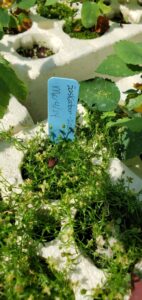
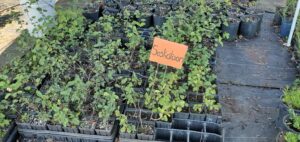
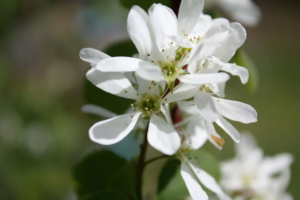
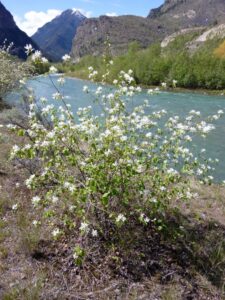
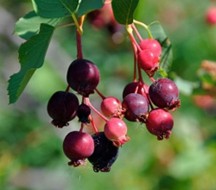 Figure 1: Saskatoon berry (tsáqwem)
General Information
Saskatoon is a deciduous shrub or small tree in the rose family (Rosaceae) native to North America. This hardy plant typically grows 6-20 feet tall (2-6 meters), forming multi-stemmed clumps with smooth gray bark and oval leaves that are finely toothed along the upper half. In early spring, before leaves fully emerge, the plant produces spectacular clusters of white, five-petaled flowers that are highly attractive to pollinators. The fruit is a small pome (apple-like fruit) that ripens from green to red and finally to deep purple-blue when mature in June through August. The berries are 6-15mm in diameter, sweet, and highly nutritious.
Traditional Indigenous Uses
Fresh or dried, saskatoon berries helped those with sickness in the blood, easing the symptoms of diabetes and supporting the body’s balance. The berries were also eaten or brewed as a decoction for troubles of the liver, especially when the skin turned yellow with jaundice. Their juice could be used as a natural disinfectant, washing wounds and keeping them clean to prevent infection. Women were encouraged to eat the berries during pregnancy, as they were believed to strengthen the womb and prevent miscarriage, ensuring the safe growth of the child.
The inner bark, when boiled into a tea, worked as a gentle laxative to relieve constipation and help the body cleanse itself. The berries were also relied upon as a powerful source of nourishment, eaten fresh, dried, or mixed with meat and fat in pemmican to sustain the people through the long winters. In this way, they brought strength to those weakened by hunger or illness. Saskatoon berries were known to sharpen vision and keep eyes healthy, a gift to those who relied on clear sight for life on the land. The bark, too, was valued for its healing nature. When made into a poultice or wash, it was applied to wounds and skin conditions. Additionally, the strong, straight wood and bark were shaped into arrow shafts and used in ceremonies.
The berries were consumed as digestive aids which have a mild laxative function, while the leaves were made into a tea. This tea was sometimes given to women after childbirth. The berries were also used as disinfectant and was thought to help precent miscarriage when consumed. Much like blueberries, saskatoon berries contain many beneficial nutrients and minerals such as iron and fiber. There is a high polyphenol content, specifically in the leaves and stems. Amongst these polyphenols are flavonoids which fall into 3 major subclasses: flavones, anthocyanins and proanthocyanins. These constituents, in particular anthocyanins, are thought to help reduce the risk of, and manage diabetes.
Biochemical Compounds and Their Medicinal Properties
- Anthocyanins (Primary Bioactive Pigments)
Three Most Important Compounds:
(i) Cyanidin-3-galactoside (C₂₁H₂₁O₁₁⁺) – Major anthocyanin (60-70% of total)
(ii) Cyanidin-3-glucoside (C₂₁H₂₁O₁₁⁺) – Secondary anthocyanin
(iii) Cyanidin-3-arabinoside (C₂₀H₁₉O₁₀⁺)

Medicinal Properties:
Antidiabetic: Improves glucose metabolism and insulin sensitivity
Antioxidant: Powerful free radical scavenging activity
Anti-inflammatory: Reduces inflammatory mediators
Cardioprotective: Improves cardiovascular health
- Proanthocyanidins (Condensed Tannins)
Three Most Important Compounds:
(i) Procyanidin B-type Dimers (C₃₀H₂₆O₁₂) – 46% of phenolics
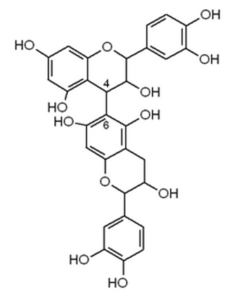
(ii) Procyanidin Trimers to Heptamers
(Three to seven catechin units linked)
Higher oligomeric proanthocyanidins
(iii) Polymeric Proanthocyanidins
(More than seven catechin units)
High molecular weight condensed tannins
- Flavonols and Phenolic Acids
Most Important Compound:
Quercetin-3-rutinoside (Rutin) (C₂₇H₃₀O₁₆)
Proposed Biochemical Mechanisms for Traditional Uses
Antidiabetic Effects (Berry Consumption)
- Anthocyanins act through:
- α-Glucosidase enzyme inhibition reducing carbohydrate absorption
- Enhanced insulin secretion and sensitivity
- GLUT4 glucose transporter activation
- Proanthocyanidins contribute:
- Inhibition of carbohydrate-digesting enzymes
- Improved pancreatic β-cell function
- Reduced oxidative stress in diabetic tissues
Liver Protection (Berry Medicine)
- Anthocyanins provide:
- Hepatoprotective effects through Nrf2 pathway activation
- Enhanced liver detoxification enzyme expression
- Protection against oxidative liver damage
- Phenolic compounds facilitate:
- Anti-inflammatory effects in liver tissue
- Reduced hepatic steatosis (fatty liver)
- Enhanced bile production and flow
Antimicrobial and Disinfectant Action (Berry Juice)
- Anthocyanins and proanthocyanidins act as:
- Bacterial membrane disruptors
- Biofilm inhibitors
- Viral envelope disruptors
- Phenolic acids provide:
- Direct antimicrobial activity
- Enhanced immune function
- Antioxidant protection during infection
Chemical Reactions and Molecular Interactions
Antidiabetic Mechanism (Anthocyanins)
Cyanidin-3-galactoside → α-Glucosidase inhibition → ↓ Carbohydrate digestion → Reduced glucose absorption → Lower postprandial blood sugar
Anthocyanins → AMPK activation → ↑ GLUT4 translocation → Enhanced glucose uptake → Improved insulin sensitivity
Antioxidant Protection (Multiple Compounds)
Anthocyanins + ROS → Stable radical species + H₂O
(Direct radical scavenging)
Proanthocyanidins → Metal chelation → Prevented Fenton reactions → Reduced lipid peroxidation → Cellular protection
Quercetin → Nrf2 activation → ↑ Antioxidant enzyme expression → Enhanced cellular defense mechanisms
Anti-inflammatory Mechanism (Phenolic Compounds)
Anthocyanins → NF-κB pathway inhibition → ↓ Pro-inflammatory cytokines → Reduced tissue inflammation → Symptom relief
Proanthocyanidins → COX-2 enzyme inhibition → ↓ Prostaglandin synthesis → Anti-inflammatory and analgesic effects
Hepatoprotective Action (Anthocyanins)
Cyanidin glycosides → Nrf2/ARE pathway activation → ↑ Detox enzymes → Enhanced liver detoxification → Protection from toxins
Anthocyanins → Mitochondrial protection → Reduced hepatocyte apoptosis → Liver cell preservation → Improved liver function
Antimicrobial Activity (Proanthocyanidins + Anthocyanins)
Proanthocyanidins → Bacterial protein binding → Enzyme inactivation → Disrupted metabolism → Growth inhibition
Anthocyanins → Membrane permeabilization → Cell lysis → Direct bactericidal effect
Modern Research Validation
Phytochemical Composition
- Major classes of flavonoids are flavonols (quercetin and rutin), flavanes (proanthocyanidins), and anthocyanins
- Average phenolic content: ~4,946 mg/100g with flavan-3-ols (~46%), anthocyanins (~30%), phenolic acids (~18%), flavonols (~4%)
- Fruits rich in nutraceutical compounds including anthocyanins, chlorogenic acid, catechins, and rutin
Antidiabetic Studies
Scientific validation of traditional diabetes treatment:
- Saskatoon berries demonstrate significant antidiabetic properties
- Anthocyanins improve glucose metabolism and insulin sensitivity
- Proanthocyanidins inhibit carbohydrate-digesting enzymes
Antioxidant Capacity
- Exceptionally high antioxidant potential (DPPH, ABTS assays)
- Polyphenol content among highest of all berries
- Strong free radical scavenging activity
Traditional Preparation Methods and Biochemical Optimization
Fresh Berry Consumption
- Immediate consumption: Maximum anthocyanin and vitamin C content
- Daily intake: Regular consumption for chronic conditions
- Seasonal abundance: Peak nutritional value at full ripeness
Dried Berries and Pemmican
- Sun drying: Concentrates sugars and phenolic compounds
- Long-term storage: Preserved anthocyanins remain bioactive
- Pemmican preparation: Combined with meat for balanced nutrition
- Antimicrobial properties: Natural food preservation
Bark Preparations
- Inner bark decoction: Extracts water-soluble compounds
- Laxative effects: Fiber and phenolic stimulation
- Topical application: Direct wound healing benefits
Cultural and Economic Significance
Traditional Food Systems
- Primary food source: Gathered in large quantities at seasonal camps
- Food preservation: Essential component of pemmican
- Trade commodity: Valuable for inter-tribal exchange
- Ceremonial significance: Used in important cultural events
Modern Cultivation
- Commercial production: Growing industry in Canada
- Nutritional research: Extensive scientific validation
- Health products: Supplements, juices, and functional foods
- Cultural revival: Renewed Indigenous interest and use
Safety Considerations and Traditional Wisdom
Traditional Guidelines
- Abundant consumption safe: Long history of heavy use
- Pregnancy support: Traditionally used to prevent miscarriage
- Sustainable harvesting: Leave fruit for wildlife and regeneration
- Proper ripeness: Full purple-blue color indicates peak nutrition
Modern Safety Notes
- Generally recognized as safe: No significant adverse effects
- High sugar content: Diabetics should monitor intake despite benefits
- Allergies rare: Related to rose family (apples, pears)
- Quality control: Wild vs. cultivated varieties differ in phenolic content
Nutritional and Bioactive Profile
Amelanchier alnifolia Nutt., commonly known as Saskatoon berry, is recognized as a rich source of essential nutrients and bioactive compounds. It contains significant concentrations of minerals such as calcium, iron, magnesium, phosphorus, manganese, and potassium (Fang, 2021; Juríková et al., 2013; Zhao et al., 2020). The berry is also abundant in vitamins, including ascorbic acid (vitamin C), folic acid, pantothenic acid, pyridoxine (B6), riboflavin (B2), thiamin (B1), biotin, carotenoids, and tocopherols (vitamin E) (Fang, 2021; Juríková et al., 2013; Zhao et al., 2020). Dietary fiber is present in the form of pectin, while carotene serves as a provitamin or precursor to vitamin A (Fang, 2021; Juríková et al., 2013; Zhao et al., 2020). Additionally, Saskatoon berries are characterized by the presence of phenolic acids, namely neochlorogenic acid (5-caffeoylquinic acid), ellagic acid, chlorogenic acid, 3-feruloylquinic acid, and 5-feruloylquinic acid, which contribute to their antioxidant and antidiabetic properties (de Souza et al., 2019; Fang, 2021, Juríková, et al., 2013, Zatylny et al., 2005; Zhao et al., 2020).
The principal bioactive constituents of Amelanchier alnifolia are polyphenolic compounds, comprising various flavonoid subclasses and other plant-derived phytochemicals. The high content of flavonoids is responsible for its observed anti- inflammatory, antidiabetic, and chemo-protective effects. The flavonoid profile includes several distinct categories:
Anthocyanins, primarily cyanidin derivatives such as cyanidin-3-O-galactoside (C3Ga), cyanidin-3-O-glucoside (C3G), cyanidin-3-O-arabinoside, cyanidin-3-O- xyloside, and delphinidin-3-glucoside (D3G), which are responsible for the berry’s characteristic red to purple pigmentation and exhibit potent antioxidant and anti-inflammatory activities. (de Souza et al., 2019; Fang, 2021; Juríková et al., 2013; Zatylny et al., 2005; Zhao et al., 2020).
Proanthocyanidins, or condensed tannins, are composed of oligomeric/polymeric flavan-3-ol units including epicatechins and epigallocatechins. These compounds contribute to the fruit’s astringency and flavor and possess antioxidant, anti-inflammatory, antidiabetic, and vasodilatory effects (Fang, 2021; Juríková et al., 2013; Zhao et al., 2020).
Flavonols, such as rutin, hyperoside, avicularin, and various quercetin derivatives. These include quercetin diglycosides (e.g., quercetin-3-O-rutinoside, quercetin-3-O-robinobioside, quercetin-3-O-arabinoglucoside) and monoglycosides (e.g., quercetin-3-O-galactoside, quercetin-3-O-glucoside, quercetin-3-O-arabinoside, quercetin-3-O-xyloside), which are recognized for their antioxidant, and anticancer properties (de Souza et al., 2019; Fang, 2021; Juríková et al., 2013; Zatylny et al., 2005; Zhao et al., 2020).
Beyond the fruit, the leaves, stems, and roots of the plant also contain high concentrations of phenolic compounds (Zhao et al., 2020). The main components of the leaves include quercetin- 3-galactoside, chlorogenic acid, and (−)-epicatechin, while the stems primarily contain flavonol and flavanone glycosides, catechins, and hydroxybenzoic acids (Zhao et al., 2020). The medicinal properties are primarily attributed to its high content of polyphenols and flavonoids (Zhao et al., 2020).
Flavonoids Structure
Flavonoids are structurally characterized by two aromatic rings (designated as A and B) which are linked by a three-carbon chain forming a third, oxygen containing heterocyclic ring, referred to as the C ring (Zhao et al., 2020). These compounds are classified into seven principal subclasses: flavanes, flavanols (also known as proanthocyanidins), flavanones, flavones, isoflavones, flavonols, and anthocyanidins. Structural diversity among these subclasses arises from variations in the generic configuration of the C ring, the nature and position of functional groups, and the specific attachment site of the B ring to the C ring. Each flavonoid is further defined by its unique hydroxylation and conjugation patterns as depicted in Figures 2 through 4 (Zhao et al., 2020).
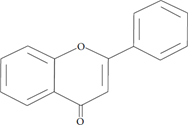 Figure 2: Major Subclass of Flavonoids: Flavone (Zhao et al., 2020).
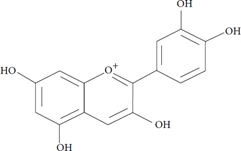 Figure 3: Major Subclass of Flavonoids: Anthocyanin (Cyanidin) (Zhao et al., 2020).
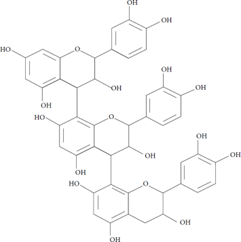 Figure 4: Major Subclass of Flavonoids: Proanthocyanin (Zhao et al., 2020).
Anthocyanidins, which become anthocyanins upon glycosylation, are the most prevalent water-soluble pigments in the plant kingdom (Zhao et al., 2020). Common anthocyanidins include delphinidin, malvidin, peonidin, and petunidin. In plants, anthocyanins are typically glycosylated at the 3 or 3,5 positions of the anthocyanidin backbone, often conjugated with sugars such as glucose, galactose, arabinose, rhamnose, xylose, or fructose. In fruit species, the dominant anthocyanins are glycosides derived from six core anthocyanidins (Zhao et al., 2020). In Saskatoon berries, the dominant anthocyanins are cyanidin-3-galactoside and cyanidin-3-glucoside, which can be seen in figure 5 (Zhao et al., 2020).
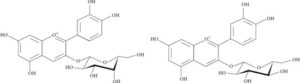 Figure 5: Major anthocyanins found in Saskatoon Berry (Zhao et al., 2020).
Proanthocyanidins, also known as flavans or condensed tannins, are another major flavonoid subgroup. These compounds typically appear brown when oxidized and contribute to the fruit’s flavor and astringency. Their classification is based on the degree of polymerization (the number of monomer units linked together), hydroxylation patterns of the base units, and the types of bonds connecting them. Smaller chains of these compounds are called oligomers, with specific names like dimers, trimers, tetramers, pentamers, hexamers, and heptamers. They are composed of flavan-3-ol units (abundant in many fruits, nuts, seeds, and pine bark), primarily epicatechins and epigallocatechins, which form procyanidin and prodelphinidin structures, respectively-of which procyanidins are the most common. In most cases, flavan-3-ol units are joined by B-type bonds (C4⟶C8 being most frequent, with C4⟶C6 less common). Occasionally, they form A-type linkages, which include an additional C2⟶O7 or C2⟶O5 bond. The degree of polymerization significantly influences the physical, chemical, and biological properties of proanthocyanidins (Zhao et al., 2020).
Flavonols, the third major class of flavonoids, are based on a 3-hydroxyflavone backbone as we can see in figure 6. Different positions of the phenolic-OH groups are responsible for their diversity. Quercetins is one of the common types of flavonols in human diet, which is also the major flavonol aglycone. Other types include rutin and quercitrin (Zhao et al., 2020).
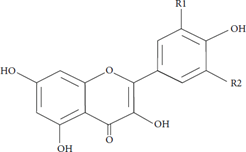
Figure 6: Subclass of flavonoids: Flavonol (Zhao et al., 2020).
Medicinal Chemistry and Pharmacology of Saskatoon Berries
1. Antioxidant Effects: Saskatoon berries, particularly the Thiessen, Nelson, and Smoky cultivars, exhibit strong free-radical scavenging activity due to their high anthocyanin content (Juríková et al., 2013). Berry extracts inhibit nitric oxide production in macrophages, suggesting anti-inflammatory potential. Anthocyanins suppress cyclooxygenase (COX) enzymes, including COX-1 and COX-2, which catalyze the formation of prostanoids from arachidonic acid, thereby reducing inflammation and oxidative damage. Polyphenolic compounds protect biological membranes, enhance low-density lipoprotein (LDL) resistance to oxidation, and prevent DNA damage (Zhao et al., 2020).
2. Anti-Inflammatory Effects: Anthocyanins such as cyanidin-3-glucoside (C3G), cyanidin-3-galactoside (C3Ga), and delphinidin-3-glucoside (D3G) reduce inflammation by inhibiting reactive oxygen species (ROS) production and NADPH oxidase (NOX) activation. They also alleviate endoplasmic reticulum (ER) stress, downregulate unfolded protein response (UPR) markers, and prevent impairment of mitochondrial electron transport chain (mETC) enzymes. C3G suppresses inflammatory cytokines such as TNF-α, IL-1β, and IL-6. Additionally, C3G blocks signaling pathways including MAPK (mitogen-activated protein kinase), NF-κB, JNK1/2 (c-Jun N-terminal kinase), ERK1/2 (extracellular signal-regulated kinase), as well as inhibitors κB-α and NF-κB p65 in J774 cells (Zhao et al., 2020). Saskatoon berries inhibit the production of nitric oxide (NO) and cyclooxygenase (COX) enzymes, both of which are key mediators of inflammation. Cyanidin glycosides, a major class of anthocyanins found in these berries, are efficiently metabolized in humans, enhancing their bioactivity (Juríková et al., 2013).
3. Antitumor Effects: C3G protects against cadmium-induced male reproductive dysfunction by regulating the hypothalamus-pituitary-gonadal (HPG) axis in male mice during puberty. It also inhibits angiogenesis in breast cancer via the STAT3 (signal transducer and activator of the transcription 3) and VEGF (Vascular Endothelial Growth Factor) pathway. Furthermore, D3G reduces lipid accumulation and cellular senescence in hepatocellular carcinoma cells (liver cancer cells/hepatocyte carcinoma) (Zhao et al., 2020). Phenolic compounds are capable of modulating immune responses, thus showing antitumor potential (Juríková et al., 2013).
4. Gut Microbiome Modulation: Saskatoon berry powder improves gut microbiota composition by reducing the Firmicutes/Bacteroidetes ratio and by increasing beneficial S24-7 family bacteria. These changes are associated with improved glucose metabolism, better lipid profiles, and reduced inflammation (Zhao et al., 2020).
5. Antidiabetic Effects: Polyphenols in Saskatoon berry powder lower blood glucose levels and regulate glycogen storage. They inhibit aldose reductase (linked to diabetic complications), and α-glucosidase (involved in carbohydrate digestion). Delayed or inhibited carbohydrate absorption significantly reduces postprandial blood glucose concentrations in mice models. Saskatoon berry powder also decreases markers of insulin resistance, ER stress, and vascular inflammation. Some studies report significant reductions in blood glucose in diabetic mice fed with 5% Saskatoon berry powder (Zhao et al., 2020; Juríková et al., 2013).
6. Cardiovascular Protection: Anthocyanins prevent oxidative stress and mitochondrial dysfunction in endothelial cells induced by glycated or oxidized LDL (glyLDL/oLDL). They also reduce the expression of inflammatory markers such as PAI-1 (plasminogen activator inhibitor-1), ICAM-1 (intracellular adhesion molecule- 1), TNF-α, and others. Additionally, Anthocyanins improve vascular health by inhibiting monocyte adhesion to the aorta and correcting fibrinolytic dysregulation.
7. Neuroprotective and Anti-Aging Potential: Antioxidant and anti-inflammatory properties of Saskatoon berries suggest potential benefits in preventing neurodegenerative diseases and age-related muscular degeneration.
Ramachandran Vinayagam and Baojun Xu (2015) presents a schematic (Figure 7) that offers a comprehensive overview of how dietary flavonoids influence various cellular and molecular pathways to regulate blood glucose levels and mitigate the complications of diabetes mellitus, particularly Type 2 Diabetes (T2DM).
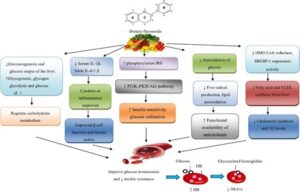 Figure 7: Role of flavonoids on management of blood glucose in diabetes (Ramachandran & Baojun, 2015).
The schematic integrates key signaling cascades, metabolic enzymes, transcription factors, and inflammatory mediators modulated by flavonoids to restore glucose homeostasis. The following sections detail these mechanisms:
1. Enhancement of Insulin Signaling Pathways: Flavonoids play a pivotal role in improving insulin sensitivity by modulating the PI3K-Akt pathway, a central axis in insulin signaling. Upon insulin binding to its receptor, a cascade is initiated involving insulin receptor substrate (IRS-1/2), which activates Phosphatidylinositol-3-Kinase (PI3K). PI3K subsequently activates Akt (protein kinase B), facilitating glucose uptake by promoting the translocation of glucose transporter type 4 (GLUT4) to the cell membrane in muscle and adipose tissues. Flavonoids such as quercetin, kaempferol, and genistein enhance this pathway, thereby improving glucose uptake and reducing insulin resistance, an essential mechanism for reversing impaired glucose disposal seen in diabetic patients (Vinayagam and Xu, 2015).
2. Activation of AMPK Pathway: Another major pathway influenced by flavonoids is the AMP-activated protein kinase (AMPK) pathway. AMPK acts as an energy sensor and regulates both glucose and lipid metabolism. Its activation leads to increased glucose uptake, enhanced fatty acid oxidation, inhibition of gluconeogenesis, and suppression of lipogenesis. Flavonoids like naringenin, baicalein, and cyanidin activate AMPK, which not only improves insulin sensitivity but also reduces hepatic glucose production and lipid accumulation. This dual action is particularly beneficial in managing both hyperglycemia and dyslipidemia (Vinayagam and Xu, 2015).
3. Regulation of Glucose Metabolism Enzymes: Flavonoids modulate key enzymes involved in glucose metabolism:
· Hexokinase and Glucose-6-phosphate dehydrogenase (G6PD): Upregulated by flavonoids, enhancing glycolysis and the pentose phosphate pathway.
· Glucose-6-phosphatase (G6Pase) and Fructose-1,6-bisphosphatase (FDPase): These gluconeogenic enzymes are downregulated, reducing hepatic glucose output.
For instance, diosmin and morin suppress gluconeogenesis and promote glycolysis, thereby lowering blood glucose levels (Vinayagam and Xu, 2015).
4. Protection and Regeneration of Pancreatic β-Cells: Pancreatic β-cell dysfunction and apoptosis are central to the pathogenesis of diabetes. Flavonoids exert protective effects on β-cells by reducing oxidative stress, inhibiting inflammatory cytokines like TNF-α (Tumor Necrosis Factor alpha) and IL-1β (Interleukin-1 beta), enhancing insulin secretion, and promoting β-cell proliferation. Compounds such as fisetin, apigenin, and genistein have demonstrated efficacy in preserving β-cell mass and function, which is critical for maintaining endogenous insulin production (Vinayagam and Xu, 2015).
5. Anti-inflammatory Effects: Chronic low-grade inflammation is a hallmark of T2DM (Type 2 Diabetes Mellitus). Flavonoids suppress inflammation by inhibiting NF-κB (Nuclear factor kappa-light-chain-enhancer of activated B cells) signaling, a key transcription factor in inflammatory responses, reducing levels of IL-1β, TNF-α, and MCP-1 (Monocyte Chemoattractant Protein-1), downregulating adhesion molecules like ICAM-1 (intercellular Adhesion Molecule 1) and VCAM-1 (Vascular Cell Adhesion Molecule-1). These actions help mitigate insulin resistance and vascular complications. Flavonoids such as Luteolin, chrysin, and wogonin are notable for their potent anti-inflammatory properties (Vinayagam and Xu, 2015).
6. Antioxidant Defense Enhancement: Oxidative stress contributes to β-cell damage, insulin resistance, and diabetic complications. Flavonoids enhance antioxidant defenses by scavenging reactive oxygen species (ROS), upregulating antioxidant enzymes such as superoxide dismutase (SOD), catalase (CAT), and glutathione peroxidase (GPx), and reducing lipid peroxidation markers like malondialdehyde (MDA) and thiobarbituric acid reactive substances (TBARS). Rutin, quercetin, and pelargonidin are effective in restoring redox balance and protecting tissues from oxidative damage (Vinayagam and Xu, 2015).
7. Lipid Metabolism Regulation: Flavonoids regulate lipid metabolism through several mechanisms, including inhibition of sterol regulatory element-binding protein 1c (SREBP-1c), which controls lipogenesis, and downregulation of HMG- CoA (3-hydroxy-3-methylglutaryl coenzyme A) reductase, the rate-limiting enzyme in cholesterol synthesis. They also reduce triglycerides (TG) and low- density lipoprotein (LDL) levels while increasing high-density lipoprotein (HDL) levels. Hesperidin, tangeretin, and isorhamnetin are particularly effective in improving lipid profiles and reducing cardiovascular risk in diabetic patients (Vinayagam and Xu, 2015).
8. Regulation of Adipokines and Hormones: Flavonoids influence the secretion and activity of adipokines, and hormones involved in metabolic regulation:
· Adiponectin: This hormone is increased by flavonoids which enhances insulin sensitivity and fatty acid oxidation.
· Leptin: Flavonoids help restore leptin sensitivity and reduce lipotoxicity.
· Resistin: This hormone is downregulated by flavonoids and is associated with improved insulin sensitivity.
These hormonal modulations help in maintaining energy balance and glucose homeostasis (Vinayagam and Xu, 2015).
9. Inhibition of Advanced Glycation End Products (AGEs): AGEs contribute to diabetic complications by promoting inflammation and oxidative stress. Flavonoids inhibit AGE formation and accumulation, thereby protecting tissues such as the retina, kidneys, and nerves. Delphinidin, baicalein, and rutin have shown efficacy in reducing AGE-related damage (Vinayagam and Xu, 2015).
10. Vascular Protection and Endothelial Function: Diabetes impairs endothelial function, leading to microvascular and macrovascular complications. Flavonoids improve vascular health by enhancing endothelial nitric oxide synthase (eNOS) activity and nitric oxide production, reducing endothelial permeability and inflammation, and preventing vascular smooth muscle proliferation. These effects are crucial for preventing diabetic nephropathy, retinopathy, and cardiovascular disease (Vinayagam and Xu, 2015).
11. Epigenetic Modulation: Emerging evidence suggests that flavonoids can influence gene expression through epigenetic mechanisms such as inhibition of histone acetyltransferases (HATs) like p300, reduction in CREB-binding protein activity, and modulation of DNA methylation patterns. These changes can lead to long-term improvements in insulin sensitivity and inflammatory responses (Vinayagam and Xu, 2015).
Overall, the schematic presented by Vinayagam and Xu (2015) encapsulates the multifaceted roles of dietary flavonoids in managing diabetes. By targeting key molecular pathways such as PI3K/Akt, AMPK, NF-κB, and SREBP-1c, and modulating enzymes, hormones, and transcription factors, flavonoids offer a holistic approach to glycemic control. Their antioxidants, anti-inflammatory, and insulin-sensitizing properties make them promising candidates for functional foods and nutraceuticals in diabetes prevention and therapy.
Main Cultivars
The primary cultivars of Saskatoon berry include Bluff, Elizabeth (specifically in Saskatoon), Martin, Honeywood, Lee, Martin, Nelson, Northline, Parkhill, Pearson II, Pembina, Regent, Smoky, Success, Thiessen, and Tisnovsky (Zhao et al., 2020). Among these, the most widely cultivated and preferred varieties are Honeywood, Northline, Martin, Smoky, Pembina, and Thiessen (Zhao et al., 2020). Additional cultivars include Buffalo, Forestburg, JB30, and PAR 90 (Zatylny et al. 2005).
It has been shown that the chemical composition of berries varies greatly between cultivars based on factors such as the plant, the environment, the ripeness at time of harvest and other factors. Preserved berries also show differences in antioxidant activity and phenolic content, and the type of preservation method also gives different results when tested.
References
- Elders and Community members of the Cayoose Creek Band of Sekw’el’was
- Agriculture and Bioresources, University of Saskatchewan. (2025). Saskatoons. https://gardening.usask.ca/gardening-advice/gardenline-nested-pages/food-plant-pages/fruit/saskatoon.php
- Health Benefits Times. (2021, February 3). Traditional uses and benefits of Saskatoon. https://www.healthbenefitstimes.com/saskatoon/
- Mazza, G. (2013). Flavonoid profile of Saskatoon berries and their health-promoting effects. Molecules, 18(10), 12571–12586. https://doi.org/10.3390/molecules181012571
- Jurikova, T., Mlcek, J., Skrovankova, S., Balla, S., & Sochor, J. (2018). Amelanchier alnifolia: A rich source of biologically active compounds with high antioxidant capacity. Nutrients, 10(11), 1753. https://doi.org/10.3390/nu10111753
- Zatylny, A. M., Ziehl, W. D., & St-Pierre, R. G. (2018). Phytochemical composition and antioxidant capacity of Saskatoon berry (Amelanchier alnifolia) genotypes. Food Chemistry, 237, 145–152. https://doi.org/10.1016/j.foodchem.2017.05.041
- Ozga, J. A., Saeed, A., Wismer, W. V., & Reinecke, D. M. (2018). Flavonoid profile and antioxidant activity of Saskatoon (Amelanchier alnifolia Nutt.) berries. Journal of Agricultural and Food Chemistry, 66(15), 3942–3951. https://doi.org/10.1021/acs.jafc.8b01183
- Johnson, M. H., Lucius, A., Meyer, K. A., & Prior, R. L. (2020). Bioactive components and health benefits of Saskatoon berry (Amelanchier alnifolia Nutt.). Comprehensive Reviews in Food Science and Food Safety, 19(3), 2020–2048. https://doi.org/10.1111/1541-4337.12500
- Province of Manitoba Agriculture. (2025). Saskatoon berries. https://www.gov.mb.ca/agriculture/crops/crop-management/fruit-crops/saskatoon-berries.html
- Elsevier. (2025). Amelanchier alnifolia – An overview. ScienceDirect Topics. https://www.sciencedirect.com/topics/agricultural-and-biological-sciences/amelanchier-alnifolia
- Wikipedia. (2025, August 10). Amelanchier alnifolia. https://en.wikipedia.org/wiki/Amelanchier_alnifolia
- Zhao L, Huang F, Leun Hui A, Shen (2020). Bioactive Components and Health Benefits of Saskatoon Berry. J. of Diabetes Research. doi: 10.1155/2020/3901636
- Michalczyk M, Macura R. (2010). Effect of Processing and Storage on the Antioxidant Activity of Frozen and Pasteurized Shadblow Serviceberry (Amelanchier Canadensis) [Internet]. [Accessed April 20 2025]. Int J. of Food Properties. 13:1225-1233. https://doi.org/10.1080/10942910903013407
- Zatylny M., Ziehl W.D., St-Pierre R.G. (2005) Physiochemical properties of fruit of 16 saskatoon (Amelanchier alnifolia Nutt.) cultivars [Internet]. Can J. Plant Sci. 85: 933-938. https://doi.org/10.4141/P04-065
- de Souza, D. R., Willems, J. L., & Low, N. H. (2019). Phenolic composition and antioxidant activities of saskatoon berry fruit and pomace. Food Chemistry, 290, 168–177. https://doi.org/10.1016/j.foodchem.2019.03.077
- Fang, J. (2021). Nutritional composition of saskatoon berries: a review. Botany, 99(4), 175–184. https://doi.org/10.1139/cjb-2019-0191
- Juríková, T., Balla, S., Sochor, J., Pohanka, M., Mlcek, J., & Baron, M. (2013). Flavonoid Profile of Saskatoon Berries (Amelanchier alnifolia Nutt.) and Their Health Promoting Effects. Molecules, 18(10), 12571–12586. https://doi.org/10.3390/molecules181012571
- Ramachandran Vinayagam, & Baojun Xu. (2015). Antidiabetic properties of dietary flavonoids: a cellular mechanism review. Nutrition & Metabolism, 12, 1–20. https://doi.org/10.1186/s12986-015-0057-7
- Splitrock Environmental. (n.d.). Saskatoon (tsáqwem). Native Plants – Splitrock Environmental. https://splitrockenvironmental.ca/products/saskatoon- tsaqwem?variant=40347094614182
- Zatylny, A., Ziehl, W., & St-Pierre, R. (2005). Physicochemical properties of fruit of 16 saskatoon (Amelanchier alnifolia Nutt.) cultivars. CANADIAN JOURNAL OF PLANT SCIENCE, 85(4), 933–938.