93 Lemonweed
Names
Common name – Lemonweed
Scientific name – Lithospermum ruderale
Other names – Western stoneseed or Western gromwell
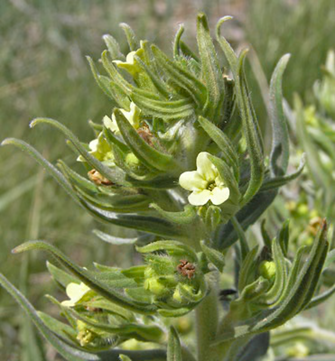
Fig 43.1: Close-up of Lemonweed tubular flowers.
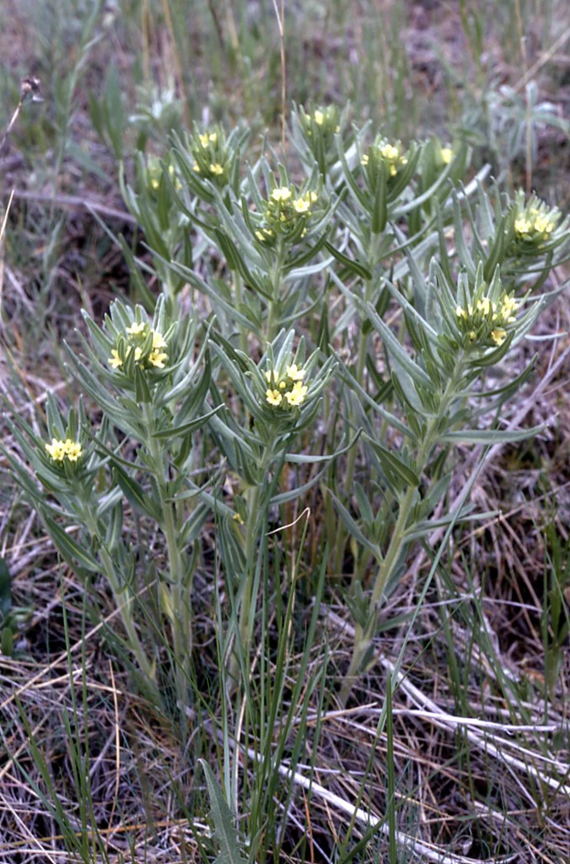
Fig 43.2: Lemonweed plant in its natural habitat showing stems and leaves.
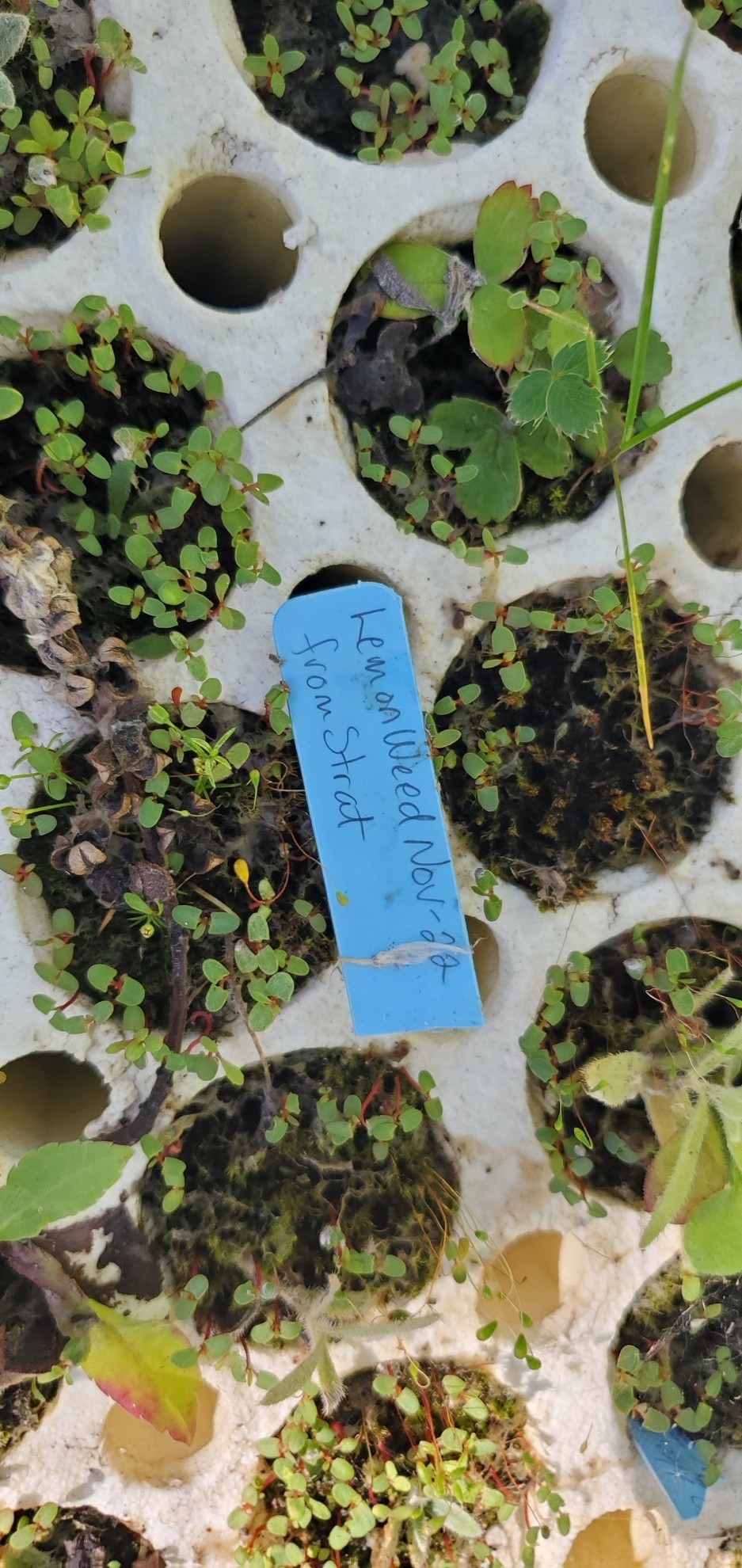
Fig 43.3: Small Lemonweed seedlings growing in a white propagation tray with a blue plant tag.
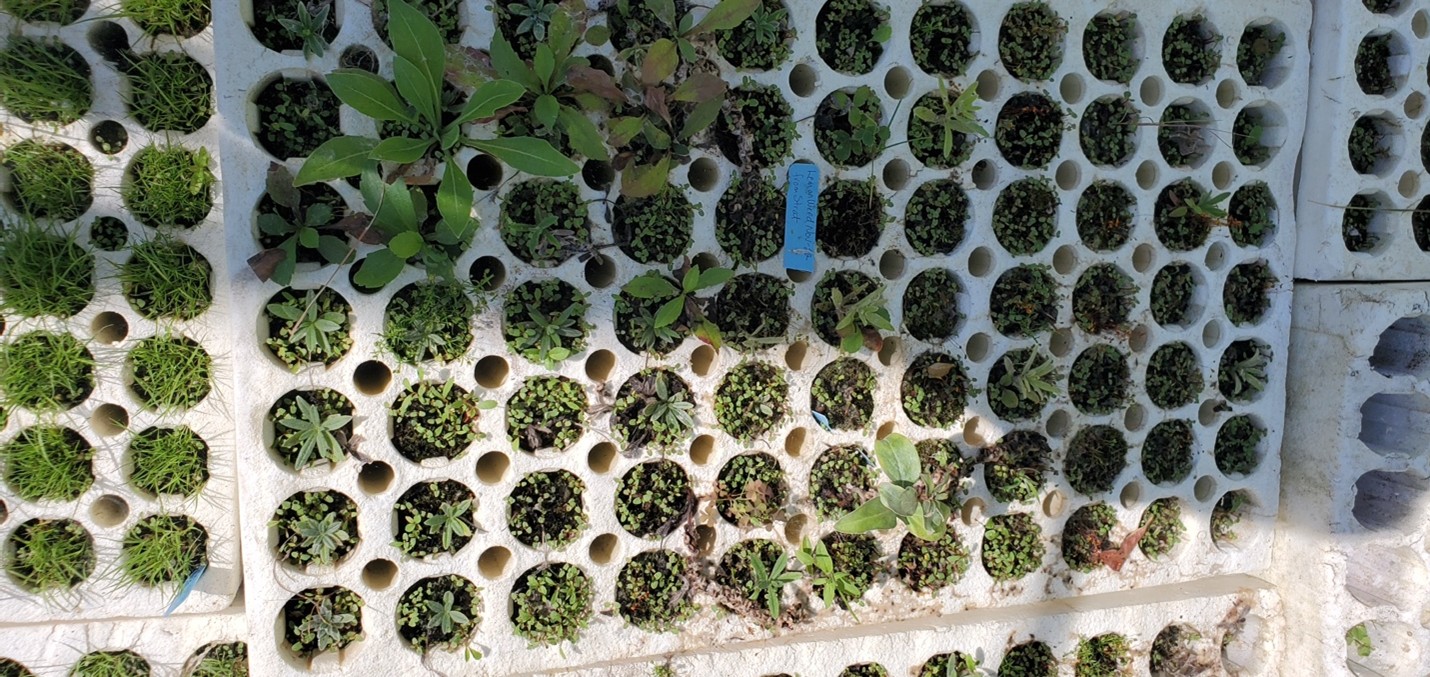
Fig 43.4: Top-down view of Lemonweed seedlings growing in a white propagation tray.
General information
Lemonweed (Lithospermum ruderale), also known as western stoneseed or western gromwell, is a perennial herbaceous flowering plant in the borage family (Boraginaceae) native to western North America. [5, 6, 14] This hardy plant grows from a deep taproot and woody caudex, reaching heights of 20-50 cm (8-20 inches), with a distinctive covering of fine, stiff, upright hairs that can feel prickly or like slivers when touched. [12] The plant produces clusters of erect leafy stems supporting lance-shaped leaves ranging from 2.5-10 cm (1-4 inches) in length. [14] Lemonweed is easily recognized by its light yellow to greenish-yellow tubular flowers that bloom from May to August and its characteristic hard, white, shiny seeds, typically four per flower, that resemble tiny stones, giving rise to the name “stoneseed.” [5, 14] Lemonweed thrives in diverse habitats including prairies, open woodlands, sagebrush steppes, rocky slopes, and disturbed areas at various elevations. [1, 2, 14] Indigenous peoples across its range have traditionally recognized this plant for its medicinal properties, particularly for women’s reproductive health, respiratory ailments, and as a contraceptive agent. [4, 10]
Traditional Indigenous Uses
Lemonweed is known as a powerful and respected medicine. Its roots were used especially by women to bring balance to the body. When brewed as a cold water infusion, the roots served as a natural contraceptive, supporting family planning and reproductive autonomy. [3, 4, 8] A warm tea from the same roots was used to regulate menstruation and restore fertility when needed. [4, 10]
The plant also offered relief for those suffering from lung ailments. A hot decoction of the roots was prepared to ease coughing, bronchitis, and breathing difficulties. [1, 4, 13] For pain in the joints, rheumatism, or arthritis, the infusion could be taken internally or applied directly to the body to calm inflammation. [4, 10] As a diuretic, Lemonweed tea helped the kidneys release excess water and supported the cleansing of the body. [1, 7]
Elders taught that Lemonweed’s gentle teas could reduce fevers and settle the stomach, aiding digestion and relieving constipation. [4, 7] The plant also served as an important remedy for wounds and burns — both the roots and leaves were used in poultices or washes to clean and heal the skin. [14] A decoction of the whole plant acted as an astringent to stop bleeding and close wounds. [1, 4, 7]
Beyond its physical benefits, Lemonweed was regarded as a tonic that promoted general health and vitality. Regular use was believed to protect against illness, slow aging, and even help prevent tumors and cancers. [4, 10] The seeds, too, held ceremonial significance and were used in spiritual practices for protection and strength. [4]
Biochemical Compounds and Their Medicinal Properties
Three Most Important Compounds:
(i) Shikonin (C₁₆H₁₆O₅) – Major red pigment naphthoquinone
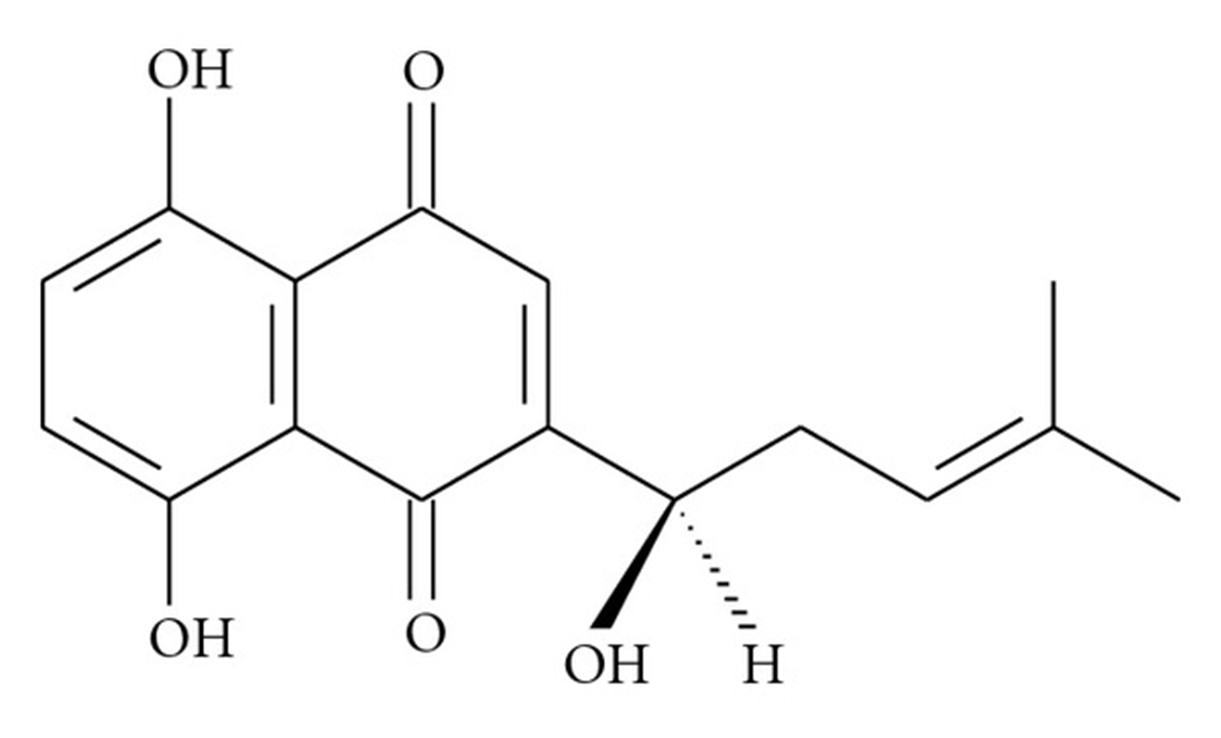
Fig 43.5: Chemical structure of Shikonin (C₁₆H₁₆O₅), the major red pigment naphthoquinone in Lemonweed.
(ii) Acetylshikonin (C₁₈H₁₈O₆) – Shikonin derivative
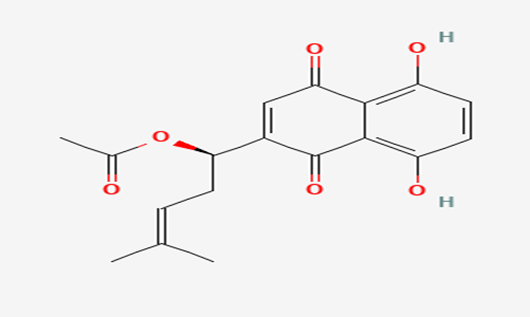
Fig 43.6: Chemical structure of Acetylshikonin (C₁₈H₁₈O₆), a shikonin derivative.
(iii) Alkannin (C₁₆H₁₆O₅) – Shikonin enantiomer
Mirror image of shikonin
Medicinal Properties
- Anti-inflammatory: Potent inhibition of inflammatory pathways [15]
- Antimicrobial: Broad-spectrum antibacterial and antifungal activity [15]
- Wound healing: Enhances tissue regeneration and collagen synthesis [15]
- Anticancer: Induces apoptosis in tumor cells [15]
- Pyrrolizidine Alkaloids (Supporting Compounds) [9]
Three Most Important Compounds:
(i) Canescine (Representative structure C₁₅H₂₅NO₆)
(ii) Canescenine (Pyrrolizidine derivative)
(iii) Retronecine derivatives
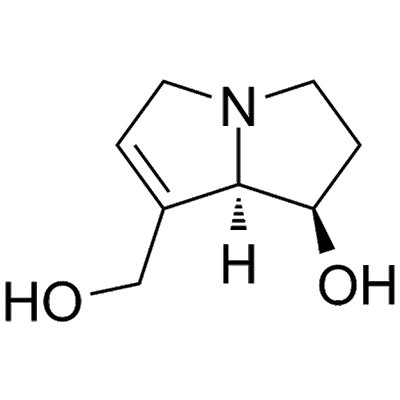
Fig 43.7: Chemical structure of Retronecine derivatives found in Lemonweed.
Most Important Compound:
Rosmarinic Acid (C₁₈H₁₆O₈) – Caffeic acid ester
Proposed Biochemical Mechanisms for Traditional Uses
Contraceptive Action (Root Preparations) [3, 8, 9]
- Pyrrolizidine alkaloids act through:
- Disruption of pituitary gonadotropin secretion
- Interference with estrogen receptor binding
- Modulation of reproductive hormone synthesis
- Naphthoquinones contribute:
- Antiestrogenic effects on reproductive tissues
- Modulation of uterine contractility
- Interference with implantation processes
Anti-inflammatory and Wound Healing (Topical/Internal Use) [1, 3, 15]
- Shikonin and derivatives provide:
- Nuclear factor-κB (NF-κB) pathway inhibition
- Cyclooxygenase (COX) enzyme suppression
- Enhanced collagen synthesis and tissue repair
- Rosmarinic acid contributes:
- Direct free radical scavenging
- Anti-inflammatory mediator reduction
- Antimicrobial protection of wounds
Respiratory Support (Root Decoctions) [1, 15]
- Naphthoquinones act as:
- Bronchodilators relaxing airway smooth muscle
- Anti-inflammatory agents in respiratory tract
- Antimicrobial compounds against respiratory pathogens
- Alkaloid compounds provide:
- Expectorant effects promoting mucus clearance
- Smooth muscle relaxation in airways
- Enhanced respiratory function
Chemical Reactions and Molecular Interactions
Anti-inflammatory Mechanism (Shikonin) [15]
Shikonin → NF-κB pathway inhibition → ↓ IκB degradation → Reduced nuclear translocation → ↓ Pro-inflammatory gene expression
Shikonin → COX-2 enzyme inhibition → ↓ Prostaglandin E₂ synthesis → Reduced inflammation and pain signaling
Antimicrobial Action (Naphthoquinones) [2, 15]
Shikonin → Bacterial membrane disruption → Increased permeability → ATP leakage + Enzyme inactivation → Cell death
Naphthoquinones → Reactive oxygen species generation → Oxidative stress → DNA damage + Protein oxidation → Microbial death
Wound Healing Mechanism (Multiple Compounds) [15]
Shikonin → Fibroblast proliferation ↑ → Enhanced collagen synthesis → Improved tissue tensile strength → Faster healing
Naphthoquinones → VEGF expression ↑ → Enhanced angiogenesis → Improved blood supply → Accelerated wound closure
Anticancer Activity (Shikonin derivatives) [15]
Shikonin → Mitochondrial dysfunction → ↑ ROS production → Cytochrome c release → Caspase activation → Apoptosis
Acetylshikonin → Cell cycle arrest → G1/S phase blockade → Inhibited tumor cell proliferation → Growth suppression
Contraceptive Mechanism (Alkaloids) [3, 8, 9]
Pyrrolizidine alkaloids → Pituitary hormone disruption → ↓ FSH/LH release → Reduced ovarian stimulation → Impaired ovulation
Alkaloids → Estrogen receptor modulation → Altered uterine receptivity → Reduced implantation success → Contraceptive effect
Safety Considerations and Traditional Wisdom
Pyrrolizidine Alkaloid Caution [4, 9]
Traditional preparation methods emphasize safety:
- Limited duration: Traditional use typically short-term
- Proper preparation: Cold water infusions may reduce alkaloid extraction
- Dosage control: Traditional knowledge emphasizes appropriate amounts
- Liver health: Awareness of potential hepatotoxicity with prolonged use
Contraceptive Use Considerations [3, 4]
Indigenous knowledge includes important protocols:
- Careful dosing: Traditional recipes carefully measured
- Timing specificity: Use aligned with reproductive cycles
- Reversibility: Understanding of temporary effects
- Individual variation: Recognition of different responses
Cultural and Historical Significance
Reproductive Autonomy [4]
Lemonweed represents Indigenous women’s traditional control over fertility:
- Family planning: Traditional methods of birth spacing
- Cultural knowledge: Women-centered botanical wisdom
- Sustainable practices: Plant-based reproductive health management
- Intergenerational teaching: Mother-to-daughter knowledge transmission
Traditional Ecological Knowledge [4]
Indigenous practices emphasize:
- Sustainable harvesting: Careful root collection preserving populations
- Habitat recognition: Understanding optimal growing conditions
- Seasonal timing: Optimal collection periods for potency
- Respectful gathering: Spiritual and ecological protocols
References
- Agric4profits. (2024, April 17). 5 medicinal health benefits of Lithospermum ruderale (Western stoneseed). https://agric4profits.com/5-medicinal-health-benefits-of-lithospermum-ruderale-western-stoneseed/
- Brigham, L. A., Michaels, P. J., & Flores, H. E. (1999). Cell-specific production and antimicrobial activity of naphthoquinones in roots of Lithospermum erythrorhizon. Plant Physiology, 119 (2), 417-428. https://doi.org/10.1104/pp.119.2.417
- Cranston, E. M. (1945). The effect of Lithospermum ruderale on the estrous cycle of mice. Journal of Pharmacology and Experimental Therapeutics, 83 (2), 130-142.
- Elders and Community Members of the Cayoose Creek Band of Sekw’el’was. (n.d.). Traditional knowledge of Indigenous medicines.
- iNaturalist. (2025a). Lemonweed (Lithospermum ruderale). https://www.inaturalist.org/guide_taxa/618506
- iNaturalist. (2025b). Western stoneseed (Lithospermum ruderale). https://www.inaturalist.org/taxa/77795-Lithospermum-ruderale
- Natural Medicinal Herbs. (2025). Western gromwell (Lithospermum ruderale). https://www.naturalmedicinalherbs.net/herbs/l/lithospermum-ruderale=western-gromwell.php
- Noble, R. L., Plunkett, E. R., & Graham, R. C. B. (1954). Direct hormone inactivation by extracts of Lithospermum ruderale. Journal of Endocrinology, 10 (3), 212-227. https://doi.org/10.1677/joe.0.0100212
- Pietrosiuk, A., Sykłowska-Baranek, K., Wiedenfeld, H., Wolinowska, R., Furmanowa, M., & Jaroszyk, E. (2006). The shikonin derivatives and pyrrolizidine alkaloids in hairy root cultures of Lithospermum canescens (Michx.) Lehm. Plant Cell Reports, 25 (7), 653–659. https://doi.org/10.1007/s00299-006-0161-2
- Planet Ayurveda. (2024, May 4). What are the uses and health benefits of Western stoneseed (Lithospermum ruderale)? https://www.planetayurveda.com/western-stoneseed-lithospermum-ruderale/
- ScienceDirect. (2025). Lithospermum – an overview. https://www.sciencedirect.com/topics/pharmacology-toxicology-and-pharmaceutical-science/lithospermum
- Splitrock Environmental. (2025). Lemonweed. <a href="https://splitrockenvironmental.ca/products/lemonweed” rel=”noopener” target=”_new”> https://splitrockenvironmental.ca/products/lemonweed
- VitaLibrary. (2025, April 8). Lithospermum: In-depth guide of health benefits, active compounds, properties, and uses. https://vitalibrary.com/lithospermum-herbal-benefits-guide/
- Wikipedia contributors. (2025, July 18). Lithospermum ruderale. In Wikipedia, The Free Encyclopedia. https://en.wikipedia.org/wiki/Lithospermum_ruderale
- Yadav, S., Sharma, A., Nayik, G. A., Cooper, R., Bhardwaj, G., Sohal, H. S., Mutreja, V., Kaur, R., Areche, F. O., AlOudat, M., Shaikh, A. M., Kovács, B., & Ahmed, A. E. M. (2022). Review of shikonin and derivatives: Isolation, chemistry, biosynthesis, pharmacology and toxicology. Frontiers in Pharmacology, 13, 905755. https://doi.org/10.3389/fphar.2022.905755