111 Douglas Maple
Names
Common name – Douglas Maple
Scientific name – Acer glabrum
Other names – sgwálqwmaz’
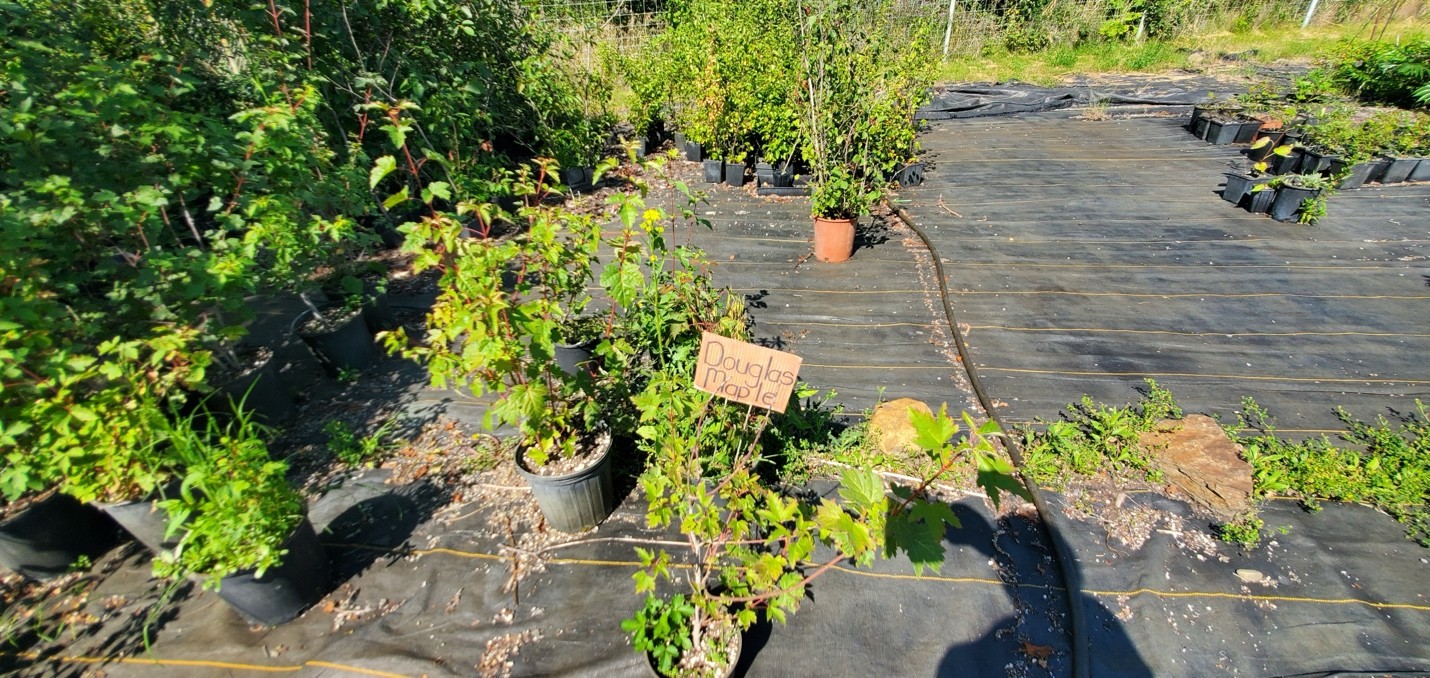
Fig 32.1: Leaves of the Douglas Maple (*Acer glabrum*)
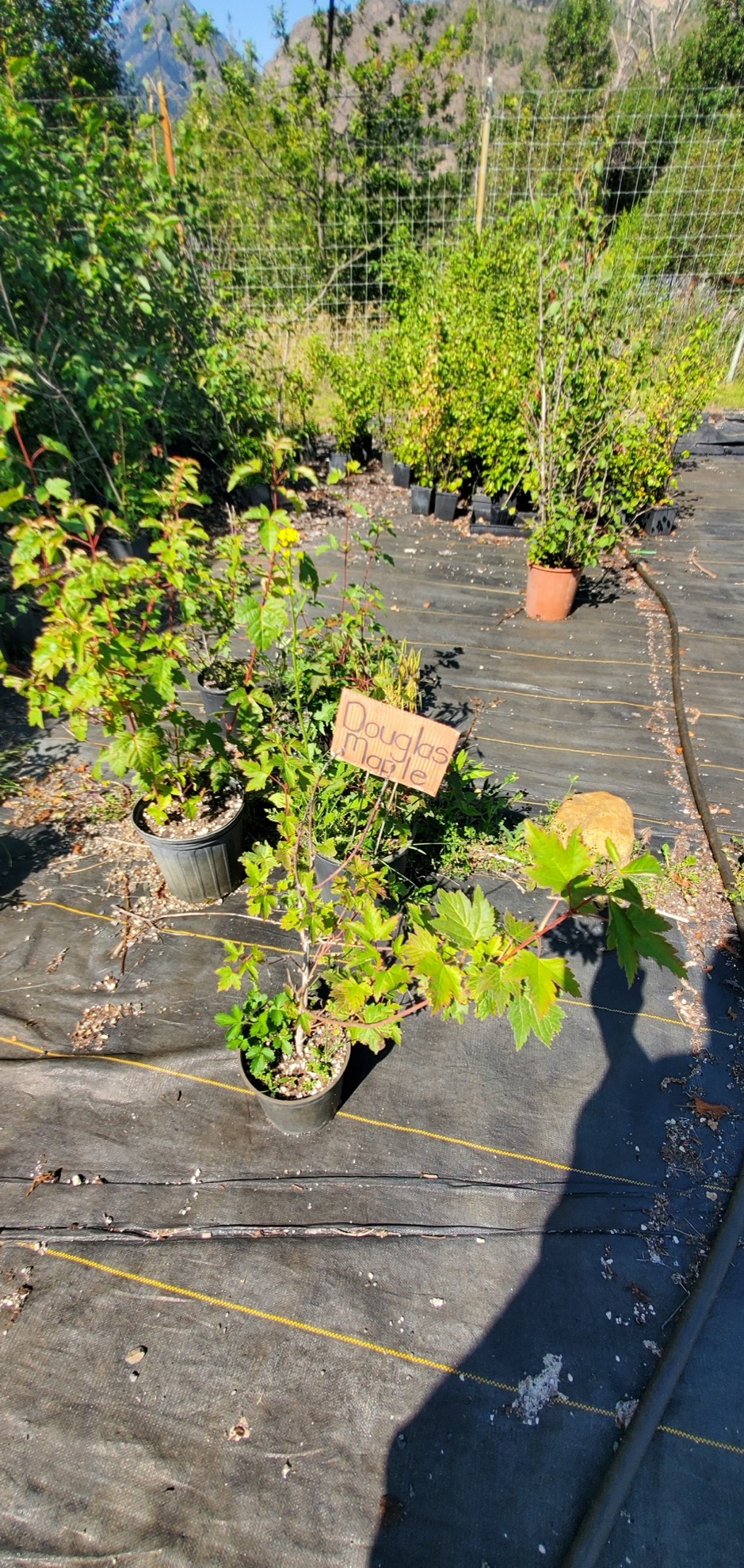
Fig 32.2: Bark of the Douglas Maple
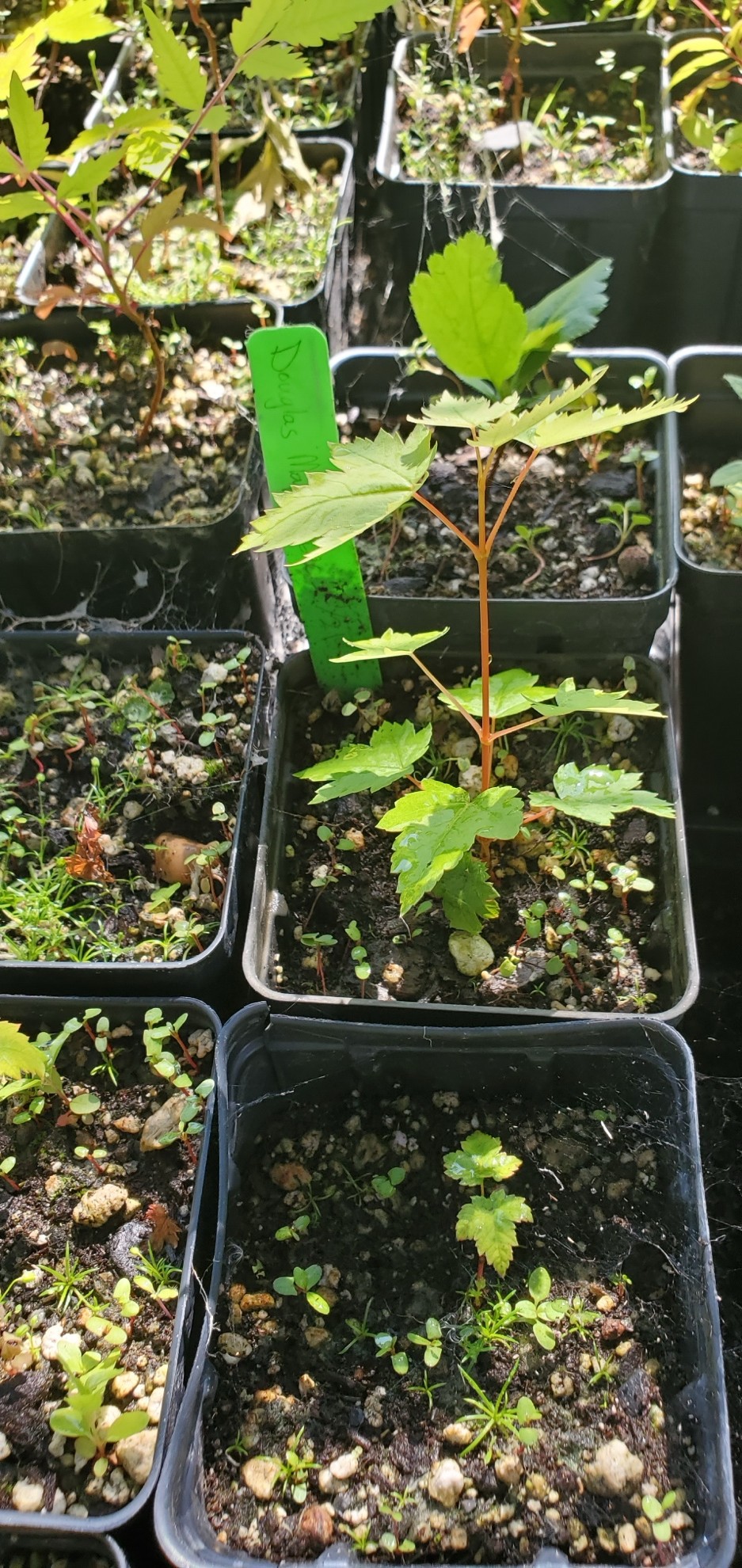
Fig 32.3: Seeds (samaras) of the Douglas Maple
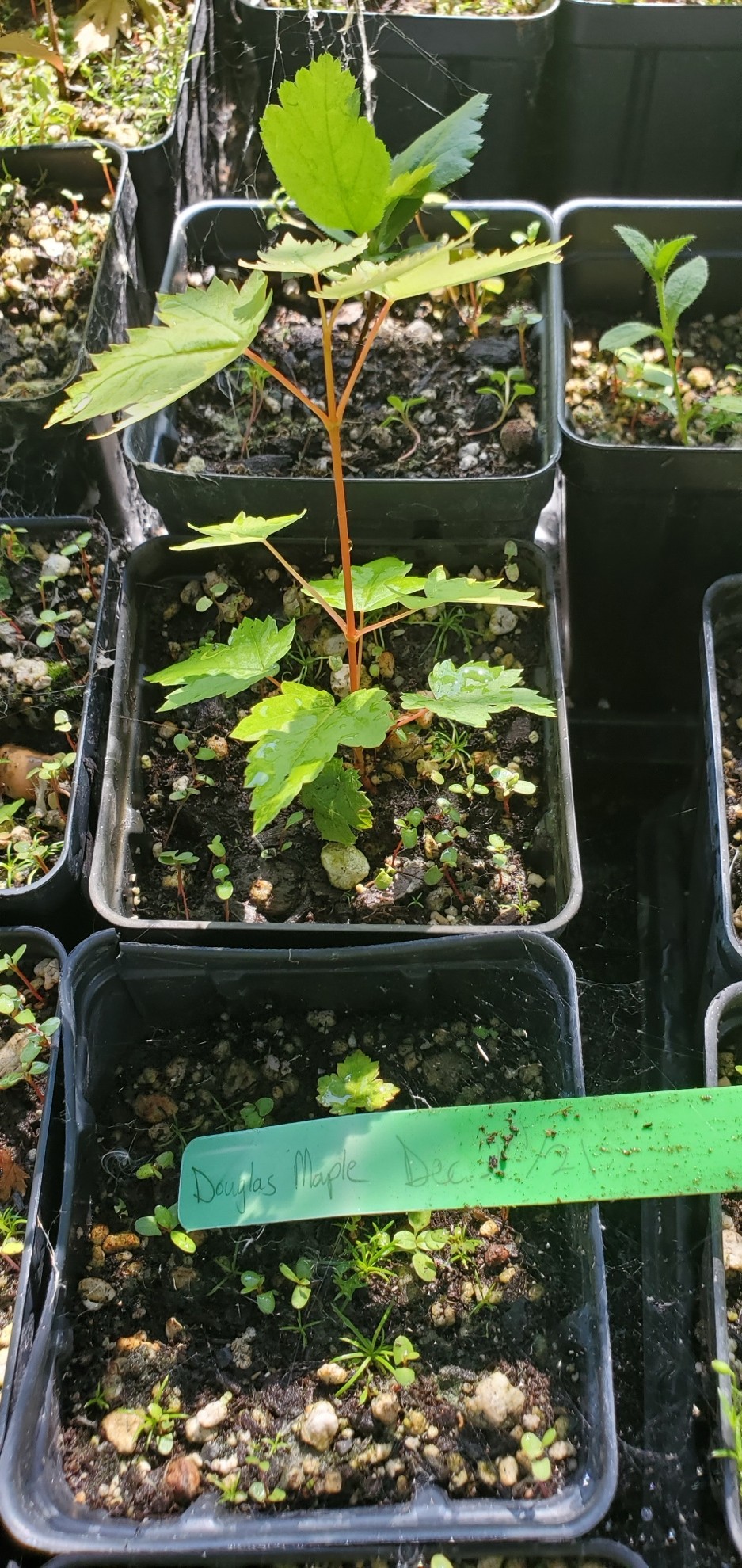
Fig 32.4: Branches and twigs of the Douglas Maple
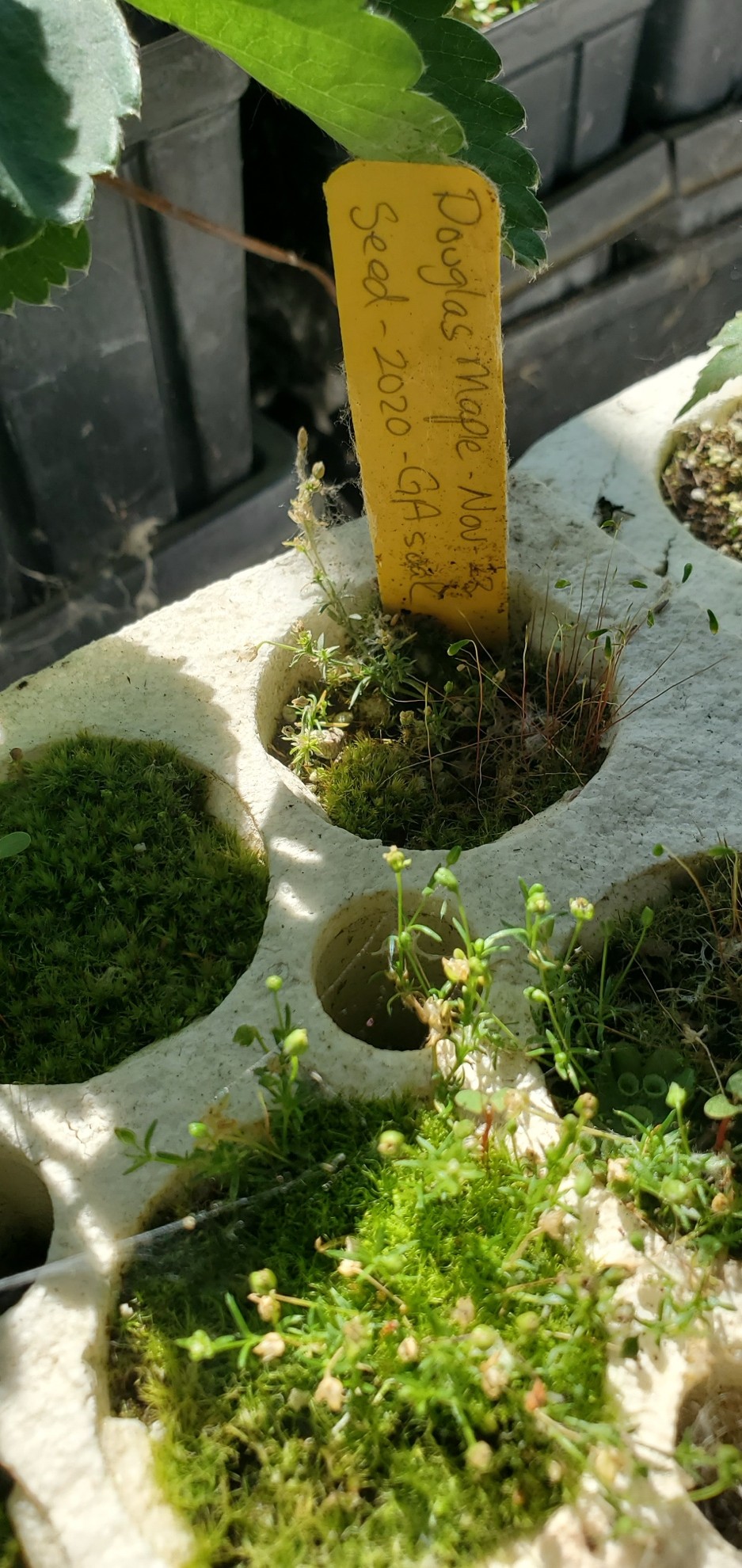
Fig 32.5: Full tree view of the Douglas Maple
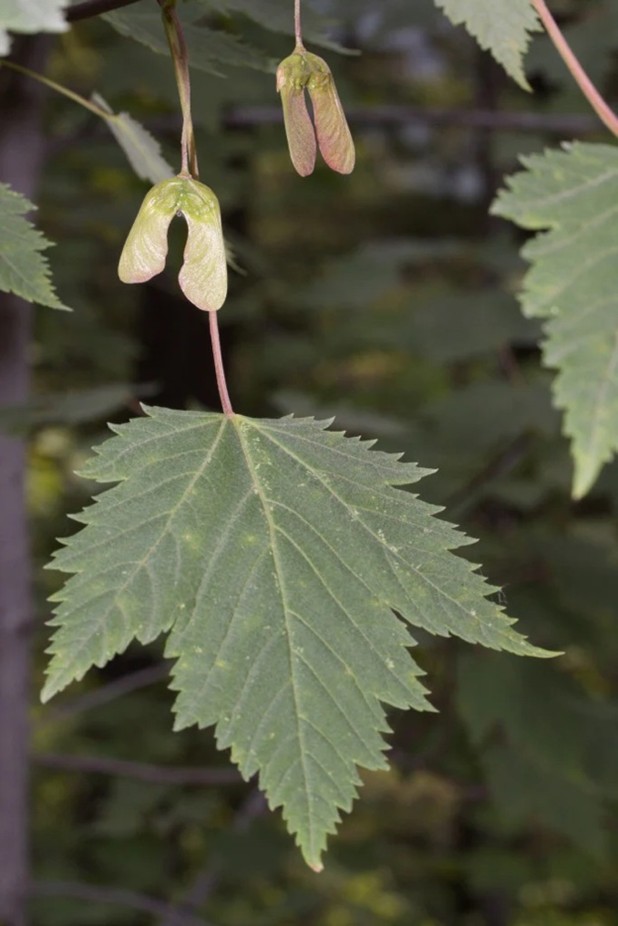
Fig 32.6: Close-up of Douglas Maple foliage
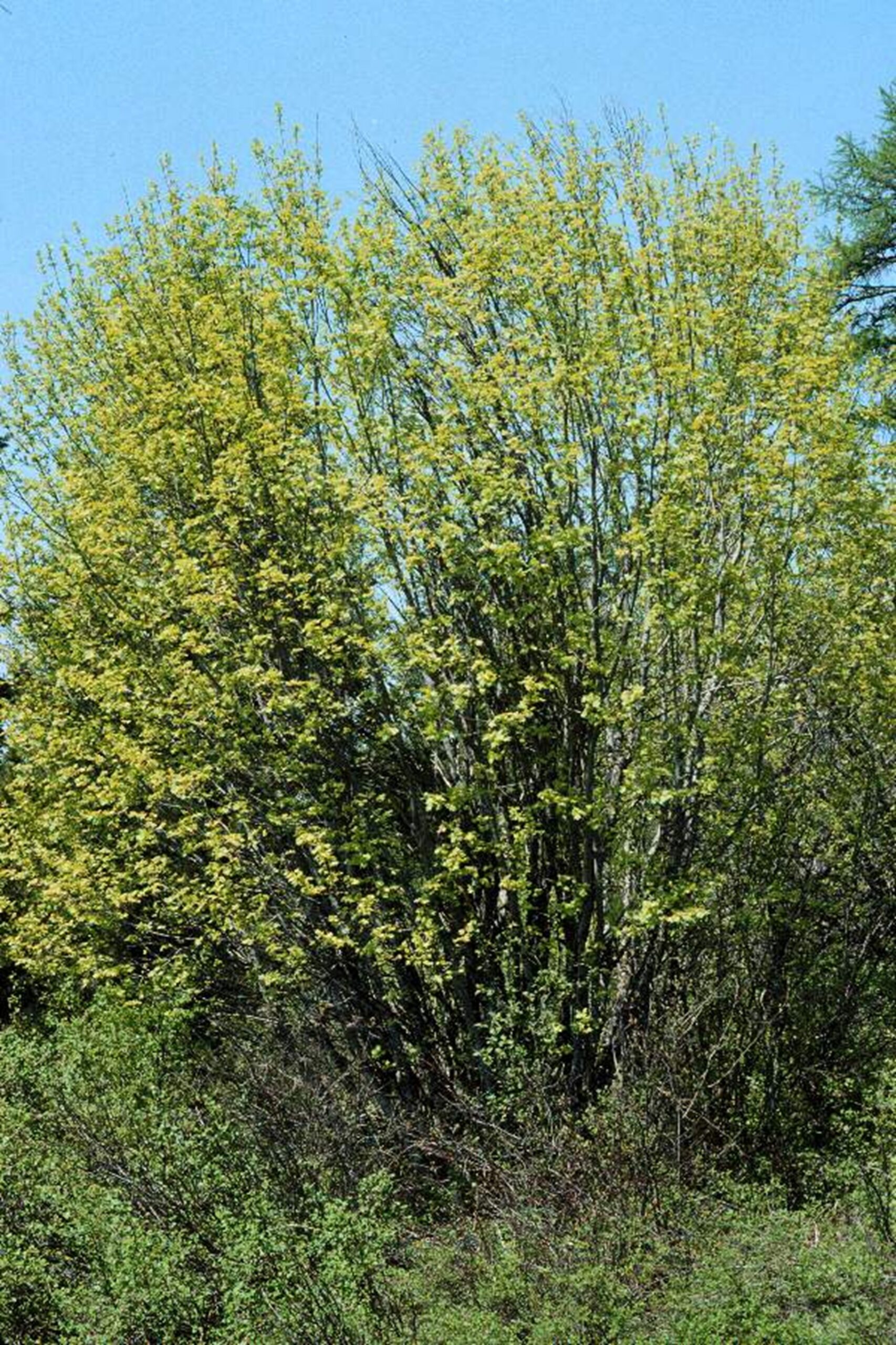
Fig 32.7: Douglas Maple in its natural habitat
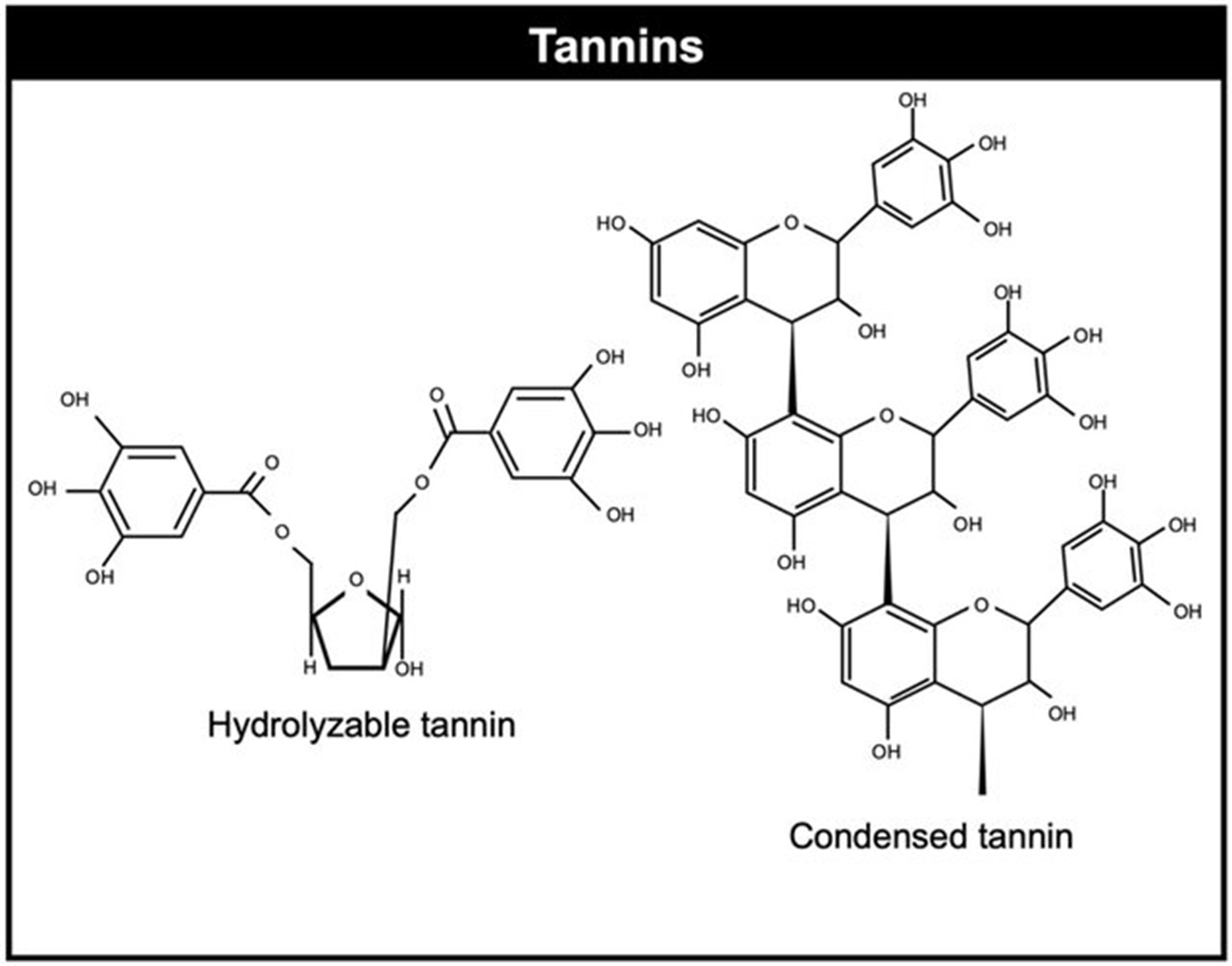
Fig 32.8: Chemical Structure of Hydrolyzable Tannins
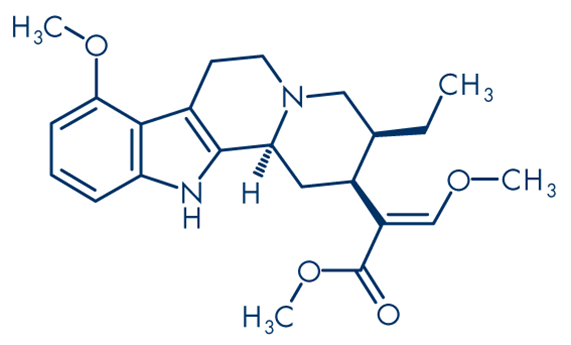
Fig 32.9: General Structure of Saponins
General information
Douglas Maple represents an important traditional medicine with validated pharmacological properties. Its traditional uses by Indigenous peoples, particularly for digestive issues and inflammation, are supported by its rich phytochemical profile containing tannins, saponins, and flavonoids. [3] The biochemical mechanisms underlying its medicinal properties involve anti-inflammatory pathways, antimicrobial activity, and astringent effects that align with traditional applications. [3]
Traditional Indigenous Uses
When sickness took hold and the stomach was unsettled, the bark or leaves were steeped into a tea to calm the bowels and ease diarrhea. [4, 7, 8] This medicine worked gently, cleansing without harm, and was often shared with those who had been weakened by long illness. [4] The same infusions soothed swellings and inflammation throughout the body, cooling what had become hot or sore. [4]
The inner bark was carefully prepared as a wash for sore or infected eyes. [4] A tea made from its parts was drunk as a renewal remedy, helping the people through the transitions between seasons when illness often visited the community. [4]
Its stems and wood were prized for their strength and flexibility, used to make snowshoe frames, bows, and tools that carried the people through winter and travel. [4, 7, 8]
Phytochemical Composition
Primary Bioactive Compounds
- Tannins (Astringent Compounds)
- Chemical Class: Polyphenolic compounds
- Molecular Structure: Complex phenolic polymers
- Properties: Phenolics are ubiquitous compounds found in all plants as their secondary metabolites. These include simple phenols, hydroxybenzoic acid and cinnamic acid derivatives, flavonoids, coumarines and tannins, among others. [2]
Chemical Structure of Hydrolyzable Tannins:
Gallic Acid Unit: HO-C₆H₂-(OH)₂-COOH
Connected to glucose core via ester linkages
Molecular Weight: 500-3000 Da
- Saponins
- Function: Saponins are bioactive compounds generally considered to be produced by plants to counteract pathogens and herbivores. Besides their role in plant defense, saponins are of growing interest for drug research as they are active constituents of several folk medicines. [1]
- Structure: Triterpene or steroid aglycone + sugar chains
- Properties: Surface-active compounds with hemolytic activity
General Saponin Structure:
Aglycone (Triterpene/Steroid) + Sugar moieties
Molecular Formula: C₃₀H₄₈O₃ (base triterpene)
Amphiphilic nature: Hydrophobic aglycone + Hydrophilic sugars
- Flavonoids
- Class: Polyphenolic compounds
- Common Types: Quercetin, kaempferol, catechins
- Antioxidant Properties: Free radical scavenging activity [3]
Basic Flavonoid Structure:
C₆-C₃-C₆ backbone
15-carbon skeleton arranged in 3 rings (A, B, C)
Multiple hydroxyl groups providing antioxidant activity
Biochemical Mechanisms of Action
- Anti-inflammatory Activity
Mechanism:
Inhibition of cyclooxygenase (COX) enzymes Reduction of prostaglandin synthesis Modulation of inflammatory cytokines [3]
Chemical Reaction:
Arachidonic Acid + COX-1/COX-2 → Prostaglandins
(Inhibited by flavonoids and tannins)
Flavonoid-OH + Free Radical → Flavonoid-O• + H₂O
(Antioxidant scavenging reaction)
- Astringent Properties (Anti-diarrheal)
Mechanism:
- Tannin-protein binding
- Reduction of intestinal secretions
- Antimicrobial effects [2]
Molecular Interaction:
Tannin-OH groups + Protein-NH₂ → Tannin-Protein Complex
Results in tissue contraction and reduced permeability
- Antimicrobial Activity
Mechanism:
- Disruption of microbial cell membranes
- Inhibition of microbial enzymes
- Chelation of metal ions required for microbial growth [1]
Saponin Membrane Interaction:
Saponin + Cholesterol (in cell membrane) → Membrane disruption
Leading to cell lysis and antimicrobial effect
Traditional Preparation Methods:
- Infusion/Decoction:
- Topical Applications:
- Concentrated Extracts:
- Alcohol-based tinctures
- Standardized for tannin content [6]
Safety Considerations and Contraindications
Precautions:
- High tannin content may cause gastrointestinal irritation in sensitive individuals
- Excessive consumption may interfere with iron absorption
- Not recommended during pregnancy without professional guidance [3, 6]
Drug Interactions:
- May interfere with iron supplements
- Potential interaction with blood-thinning medications due to salicylate-like compounds [3, 6]
Conservation Status and Sustainable Harvesting
Douglas Maple is generally not considered endangered, but sustainable harvesting practices should be followed:
- Harvest bark from pruned branches rather than main trunk
- Collect only what is needed
- Allow plants to regenerate between harvesting cycles
References
- Augustin, J. M., Kuzina, V., Andersen, S. B., & Bak, S. (2011). Molecular activities, biosynthesis and evolution of triterpenoid saponins. Phytochemistry, 72 (6), 435–457. https://doi.org/10.1016/j.phytochem.2011.01.015
- Bate-Smith, E. C. (1977). Astringent tannins of Acer. Phytochemistry, 16 (9), 1421–1426. https://doi.org/10.1016/S0031-9422(00)88795-6
- Bi, W., Gao, Y., Shen, J., He, C., Liu, H., Peng, Y., Zhang, C., & Xiao, P. (2016). Traditional uses, phytochemistry, and pharmacology of the genus Acer (maple): A review. Journal of Ethnopharmacology, 189, 31–60. https://doi.org/10.1016/j.jep.2016.04.021
- Elders and Community members of the Cayoose Creek Band of Sekw’el’was. (n.d.). Traditional knowledge and uses of Douglas Maple.
- Evans, T. T. (2022). The Indigenous origins of maple syrup. American Indian Magazine. https://www.americanindianmagazine.org/Indigenous-origins-of-maple-syrup https://doi.org/10.1093/9780197610145.003.239
- Grieve, M. (n.d.). Maples. In A modern herbal. Botanical.com. https://botanical.com/botanical/mgmh/m/maples14.html
- Native Languages of the Americas. (n.d.). Native American Indian maple tree medicine, meaning and symbolism. http://www.native-languages.org/legends-maple.htm
- Splitrock Environmental. (n.d.). Douglas maple (sgwálqwmaz’). <a href="https://splitrockenvironmental.ca/products/douglas-maple-sgwalqwmaz” rel=”noopener” target=”_blank”> https://splitrockenvironmental.ca/products/douglas-maple-sgwalqwmaz
- Wikipedia contributors. (2024). Acer glabrum. In Wikipedia. https://en.wikipedia.org/wiki/Acer_glabrum