137 Rocky Mountain Junpier
Names
Common name – Rocky Mountain Juniper
Scientific name – Juniperus scopulorum
Other names – púnlhep
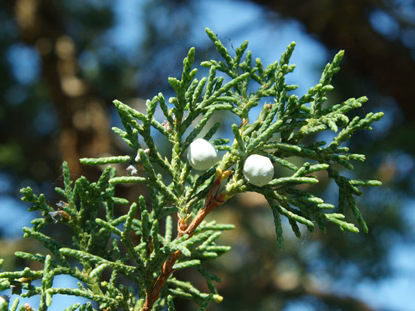
Fig 58.1: A full view of a Rocky Mountain Juniper tree in its natural habitat.
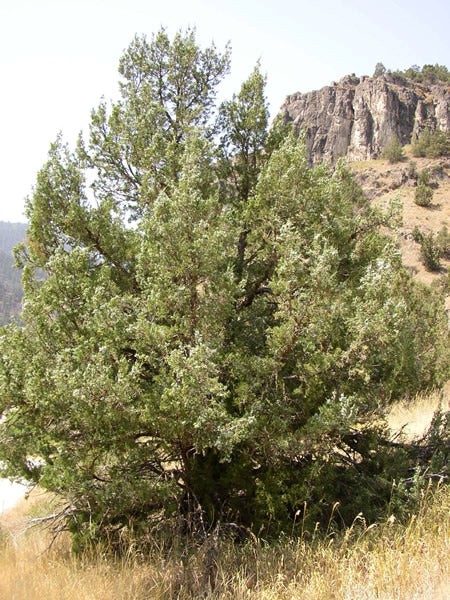
Fig 58.2: Close-up of Rocky Mountain Juniper branches showing the scale-like foliage and characteristic blue, berry-like seed cones.
General Information
Rocky Mountain Juniper (Juniperus scopulorum) is an evergreen coniferous tree or large shrub in the cypress family (Cupressaceae) native to western North America. [4, 8, 9, 12] This hardy species typically grows 15-40 feet tall (occasionally up to 65 feet), with a narrow columnar to pyramidal form and dense, scale-like foliage that ranges from green to blue-green or silvery-blue. [8, 9] The bark is distinctive – reddish-brown to gray, fibrous, and shredding in long strips. [8] Male and female cones appear on separate trees (dioecious), with the “berries” (actually fleshy seed cones) being bright blue when mature, covered with a waxy bloom, and containing 1-2 seeds. [4, 8, 12]
Traditional Indigenous Uses
Rocky Mountain Juniper has long been a sacred and practical medicine to indigenous peoples, valued for both its healing and spiritual strength. [1] The leaves and branches were often brewed into tea to ease a sore throat, quiet a cough, and soothe pain deep in the chest. [1, 5] When a woman was giving birth, this same tea was used to strengthen her body and help the labor along, offering both comfort and vitality. [1] The roots, when boiled, were used in medicinal baths to cleanse and purify the body or made into a strong wash to clean wounds and prevent infection. [1, 5] In ceremonies, the smoke of burning juniper branches was used to purify spaces and protect the spirit, carrying prayers and good intentions to the Creator. [1, 11]
The wood was prized by the people for crafting tools and instruments e.g. bows, lance shafts, and flutes, each shaped with respect for the tree’s strength and balance. [1] The berries, too, held their place in daily life. They were mashed into nourishing cakes to be kept through the winter, roasted as a substitute for coffee, or used to season meats and stews, giving warmth and flavor to the food. [1, 11] When illness struck the chest, the whole plant was sometimes boiled so that the steam could be inhaled, helping to clear congestion and ease breathing. [1] The juniper’s leaves could also be used as an antimicrobial wash for infections of the skin, while a simple tea made from the branches was taken as a tonic to keep the body strong and in harmony. [1, 5]
Biochemical Compounds and Their Medicinal Properties
- Monoterpenes (Primary Essential Oil Components)
Three Most Important Compounds:
(i) α-Pinene (C₁₀H₁₆) – 35-62% of essential oil [6]
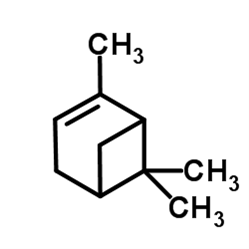
Fig 58.3: Chemical structure of α-Pinene, the primary monoterpene found in Rocky Mountain Juniper essential oil.
(ii) Sabinene (C₁₀H₁₆) – 5-15% of essential oil [6]
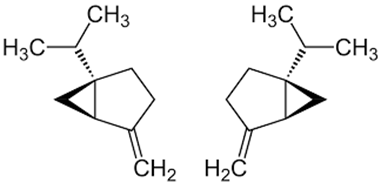
Fig 58.4: Chemical structure of Sabinene, a significant monoterpene contributing to the respiratory benefits of the plant.
(iii) Limonene (C₁₀H₁₆) – 3-8% of essential oil [6]
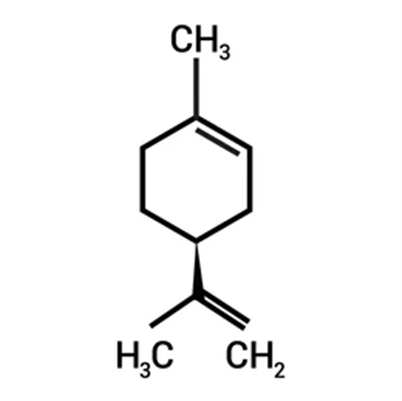
Fig 58.5: Chemical structure of Limonene, which provides anti-inflammatory and antimicrobial properties.
Medicinal Properties
- Antimicrobial: Potent antibacterial, antiviral, and antifungal activity [7]
- Respiratory support: Expectorant and bronchodilator effects [7]
- Anti-inflammatory: Reduces inflammatory mediators [7]
- Analgesic: Pain-relieving properties [7]
- Sesquiterpenes (Supporting Compounds)
Three Most Important Compounds:
(i) Cedrol (C₁₅H₂₆O) – Major sesquiterpene alcohol (15-19% of cedarwood oil) [7]
(ii) α-Cedrene (C₁₅H₂₄) – Sesquiterpene hydrocarbon [7]
(iii) β-Caryophyllene (C₁₅H₂₄) – Bicyclic sesquiterpene [7]
- Diterpenes and Other Compounds
Most Important Compound:
Totarol (C₂₀H₃₀O) – Diterpene phenol with antimicrobial properties [7]
Proposed Biochemical Mechanisms for Traditional Uses
Respiratory Support and Sore Throat Treatment (Tea/Inhalation)
- α-Pinene and monoterpenes act as: [7]
- Expectorants promoting mucus secretion and clearance
- Bronchodilators relaxing airway smooth muscle
- Antimicrobials combating respiratory pathogens
- Cedrol provides: [7]
- Anti-inflammatory effects reducing throat inflammation
- Local anesthetic properties soothing irritation
- Antioxidant protection of respiratory tissues [2]
Antimicrobial and Disinfectant Action (Root Decoctions/Washes)
- Essential oil compounds provide: [7]
- Bacterial membrane disruption and cell death
- Antiviral activity through envelope disruption
- Antifungal effects via ergosterol binding
- Totarol and diterpenes contribute: [7]
- Potent antimicrobial synergy with monoterpenes
- Biofilm disruption properties
- Enhanced wound healing through infection control
Childbirth Support (Leaf Tea)
- Monoterpenes facilitate: [7]
- Smooth muscle relaxation reducing pain
- Anti-inflammatory effects in reproductive tissues
- Antimicrobial protection during labor
- Sesquiterpenes provide: [7]
- Calming effects reducing anxiety
- Circulatory support improving blood flow
- Antioxidant protection during delivery stress [2]
Chemical Reactions and Molecular Interactions
Antimicrobial Mechanism (Monoterpenes + Sesquiterpenes)
α-Pinene → Bacterial membrane disruption → Cell lysis → Increased membrane permeability → ATP leakage → Cell death [7]
Cedrol → Fungal ergosterol binding → Membrane dysfunction → Growth inhibition → Antifungal effect [7]
Totarol → Bacterial cell wall synthesis inhibition → Weakened structure → Enhanced susceptibility to immune clearance [7]
Respiratory Relief Mechanism (Monoterpenes)
α-Pinene → β₂-adrenergic receptor activation → ↑ cAMP → Bronchial smooth muscle relaxation → Improved airflow [7]
Sabinene → Mucin gene expression ↑ → Enhanced mucus clearance → Improved expectoration → Better breathing [7]
Limonene → Anti-inflammatory in airways → ↓ Swelling → Reduced airway resistance → Easier breathing [7]
Anti-inflammatory Mechanism (Multiple Compounds)
α-Pinene → NF-κB pathway inhibition → ↓ Pro-inflammatory cytokines → Reduced tissue inflammation → Symptom relief [7]
β-Caryophyllene → CB2 receptor activation → Anti-inflammatory signaling → Pain and inflammation reduction [7]
Cedrol → COX enzyme inhibition → ↓ Prostaglandin synthesis → Anti-inflammatory and analgesic effects [7]
Antioxidant Protection (Sesquiterpenes + Diterpenes)
Cedrol + α-Pinene → ROS scavenging → ↓ Oxidative stress → Cellular protection → Tissue health maintenance [2, 7]
Totarol → Lipid peroxidation inhibition → Membrane protection → Enhanced cellular integrity → Improved healing [7]
Wound Healing Enhancement (Multiple Compounds)
α-Pinene → Fibroblast proliferation ↑ → Enhanced collagen synthesis → Improved tissue tensile strength → Faster healing [7]
Antimicrobial compounds → Infection prevention → Clean wound environment → Optimal healing conditions → Accelerated closure [7]
Traditional Preparation Methods
Leaf/Branch Tea (Primary Traditional Method)
- Hot water infusion: Extracts water-soluble compounds and some volatile oils [1]
- Covered steeping: Prevents loss of volatile monoterpenes [3]
- Fresh vs. dried: Both effective with slightly different terpene profiles [1]
- Dosage timing: Multiple small doses throughout the day [1]
Root Decoction (Disinfectant Bath)
- Extended boiling: Maximizes extraction of antimicrobial compounds [1]
- Strong concentration: Higher terpene content for disinfection [1]
- External application: Direct antimicrobial action on skin [1]
- Bathing ritual: Combined physical and medicinal benefits [1]
Steam Inhalation
- Hot water with branches: Maximizes volatile compound release [1]
- Direct inhalation: Delivers monoterpenes to respiratory tract [1]
- Aromatherapeutic benefits: Combined respiratory and psychological effects [1, 3]
Cultural and Ecological Significance
Sacred and Ceremonial Uses
Rocky Mountain juniper holds deep spiritual significance:
- Purification ceremonies: Smoke used for spiritual cleansing [1, 11]
- Protection rituals: Branches placed in homes for blessing [1]
- Healing ceremonies: Combined with other sacred plants [1]
- Life transitions: Used in births, deaths, and coming-of-age ceremonies [1]
Practical Applications
Beyond medicine, juniper served multiple roles:
- Wood crafting: Prized for bows, arrows, and flutes [1, 4]
- Food preservation: Berries used to flavor and preserve meat [1, 11]
- Construction: Durable wood for posts and building materials [8, 9]
- Fuel: Wood burns hot and aromatic [4]
Safety Considerations and Traditional Wisdom
Indigenous preparation methods emphasize:
- Appropriate dosing: Moderate use due to potent compounds [1, 5]
- Pregnancy considerations: Careful use during pregnancy (labor use specific) [1, 5]
- Quality assessment: Fresh, properly harvested plant material [1]
- Individual sensitivity: Recognition of personal tolerance [1]
References
- Elders and Community members of the Cayoose Creek Band of Sekw’el’was. (n.d.).
- Höferl, M., Buchbauer, G., Jirovetz, L., Schmidt, E., Stoyanova, A., Denkova, Z., Slavchev, A., & Geissler, M. (2015). Chemical composition and antioxidant properties of juniper berry (Juniperus communis) essential oil. Antioxidants, 3 (4), 736–749. https://doi.org/10.1201/b22426-19
- Miracle Botanicals. (2025, January 21). Mountain juniper essential oil: Benefits & uses. https://miraclebotanicals.com/a/blog/rocky-mountain-juniper-essential-oil
- Native Plants PNW. (2025). Rocky Mountain juniper (Juniperus scopulorum). https://nativeplantspnw.com/rocky-mountain-juniper-juniperus-scopulorum/
- Natural Medicinal Herbs. (2025). Rocky Mountain juniper (Juniperus scopulorum). http://www.naturalmedicinalherbs.net/herbs/j/juniperus-scopulorum=rocky-mountain-juniper.php
- Orav, A., Kailas, T., & Müürisepp, M. (2010). Chemical investigation of essential oil from berries and needles of common juniper growing wild in Estonia. Proceedings of the Estonian Academy of Sciences, 59 (4), 216–223. https://doi.org/10.1080/14786411003752037
- Salehi, B., Upadhyay, S., Erdogan Orhan, I., Kumar Jugran, A., Jayaweera, S. L. D., Dias, D. A., … & Sharifi-Rad, J. (2019). Therapeutic potential of Juniperus species: A review of phytochemistry, biological activities, and mechanisms of action. Phytotherapy Research, 33 (7), 1608–1628. https://doi.org/10.1002/ptr.6343
- U.S. Department of Agriculture, Natural Resources Conservation Service. (2025). Rocky Mountain juniper plant guide. https://plants.usda.gov/DocumentLibrary/plantguide/pdf/pg_jusc2.pdf
- U.S. National Park Service. (2025). Rocky Mountain juniper. https://www.nps.gov/articles/000/rocky-mtn-juniper.htm
- West Coast Wild Foods. (2025). Rocky Mountain juniper essential oil. https://wcwf.com/products/rocky-mountain-juniper
- What Tree Where. (2018, February 1). Junipers – Edible, medicinal, drinkable, literary, and magical! https://whattreewhere.com/2018/02/01/junipers-edible-medicinal-drinkable-literary-and-magical/
- Wikipedia. (2025). Juniperus scopulorum. https://en.wikipedia.org/wiki/Juniperus_scopulorum