160 Yellow Mountain-Avens
Names
Common name – Yellow Mountain-Avens
Scientific name – Dryas drummondii
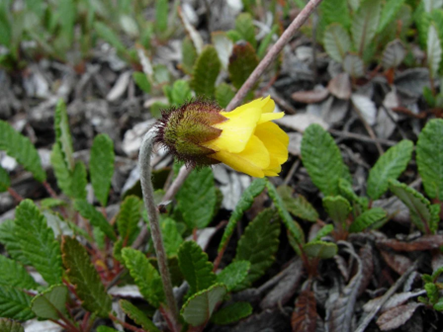
Fig 81.1: Yellow Mountain-Avens (Dryas drummondii) featuring its characteristic yellow flowers.
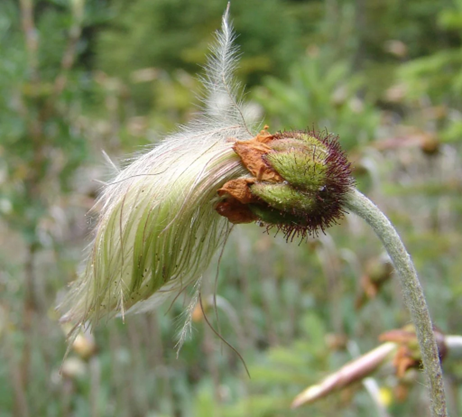
Fig 81.2: Close-up view of Yellow Mountain-Avens showing intricate botanical structures.
General Information:
Yellow Mountain-Avens represents a group of alpine plants that include both Geum montanum (Alpine Avens) and Dryas drummondii (Yellow Mountain Avens), both belonging to the Rosaceae family. [4] These hardy perennial herbs thrive in mountainous and arctic regions across North America and Europe, adapting to harsh alpine conditions with their low-growing, mat-forming habit. [4, 5] Indigenous peoples of mountainous regions have traditionally utilized these plants for various medicinal purposes, particularly for cardiovascular, urinary, and inflammatory conditions. [1, 5] The plants’ distinctive yellow flowers and their ability to survive in extreme alpine environments have made them culturally significant as symbols of resilience and healing. [5] The medicinal properties of these species are attributed to their rich content of tannins, phenolic compounds, and essential oils, which contribute to their astringent, anti-inflammatory, and antimicrobial therapeutic effects. [2, 3, 6] Its root smells like clove. [3]
Traditional Indigenous Uses
Its roots and leaves could be made into a tea or decoction to help those suffering from heart weakness or poor circulation. [1] It was also used as a medicine for the kidneys and bladder, its cleansing properties helping to clear infections. [1]
A mild infusion from the leaves or whole plant brought calm to the belly and restored appetite. [1] For coughs, chest congestion, and inflammation in the lungs, the leaves and flowers were boiled into teas or used as steam inhalations to clear the airways. [1] Its roots, when prepared as a stronger decoction, were taken to ease the aches of rheumatism and arthritis or applied to sore joints and muscles to reduce swelling. [1, 5] Fresh plant material could be made into poultices or washes to help wounds heal more quickly and to treat skin irritations, rashes, or infections. [1, 5]
Yellow Mountain-Avens was respected as a general tonic. [1] It was said to “wake up the body” after long sickness and to bring a cooling peace to those burning with fever. [1]
Biochemical Basis for Medicinal Properties
Primary Bioactive Compounds (Based on Geum Genus Research) [2]
1. Phenolic Compounds
Eugenol (Primary Active Compound)
- Chemical Formula: C₁₀H₁₂O₂
- Source: Roots (clove-like aroma) [3]
- Concentration: Variable, responsible for characteristic scent
- Properties: Antimicrobial, anti-inflammatory, analgesic, antiseptic
- Traditional correlation: Wound healing, respiratory conditions [3]
Gallic Acid
- Chemical Formula: C₇H₆O₅
- Properties: Strong antioxidant, antimicrobial, anti-inflammatory
- Mechanism: Free radical scavenging, enzyme inhibition
- Traditional use: General healing, inflammatory conditions [2]
Caffeic Acid
- Chemical Formula: C₉H₈O₄
- Properties: Antioxidant, anti-inflammatory, antimicrobial
- Traditional correlation: Skin conditions, wound healing [2]
Chlorogenic Acid
- Chemical Formula: C₁₆H₁₈O₉
- Properties: Antioxidant, anti-inflammatory, hepatoprotective
- Traditional use: General wellness, digestive support [2]
2. Tannins (High Concentration)
Condensed Tannins (Proanthocyanidins)
- Concentration: 10.5% in related Geum species
- Properties: Astringent, antimicrobial, anti-inflammatory
- Mechanism: Protein binding, antimicrobial activity
- Traditional use: Diarrhea, wound healing, skin conditions [2]
Hydrolysable Tannins
- Properties: Astringent, antimicrobial, antioxidant
- Traditional correlation: Digestive disorders, external healing [2]
3. Flavonoids
Quercetin and Derivatives
- Chemical Formula: C₁₅H₁₀O₇
- Properties: Anti-inflammatory, antioxidant, vascular protective
- Mechanism: COX inhibition, free radical scavenging
- Traditional use: Cardiovascular support, inflammatory conditions [2, 6]
Kaempferol Glycosides
- Properties: Antioxidant, anti-inflammatory, cardioprotective
- Traditional correlation: Heart conditions, circulatory support [2]
Rutin
- Properties: Vascular strengthening, anti-inflammatory, antioxidant
- Traditional use: Cardiovascular health, capillary fragility [2]
4. Essential Oil Components
Monoterpenes
- α-Pinene: Antimicrobial, anti-inflammatory, respiratory supportive
- Limonene: Antioxidant, antimicrobial, digestive supportive
- Linalool: Mild sedative, antimicrobial, anti-inflammatory
Sesquiterpenes
- β-Caryophyllene: Anti-inflammatory, analgesic, antimicrobial [3]
- Germacrene-D: Antimicrobial, anti-inflammatory [3]
5. Additional Bioactive Compounds
Vicianose Sugar
- Properties: Prebiotic effects, digestive support
- Traditional use: Digestive health, general wellness [2]
Carotenoids
- Properties: Antioxidant, anti-inflammatory, immune support
- Traditional correlation: General health, recovery support [2]
Sesquiterpene Lactones
- Example: Cnicin (in related species)
- Properties: Anti-inflammatory, bitter principles, antimicrobial
- Traditional use: Digestive stimulation, inflammatory conditions [2]
Chemical Structures of some Key Compounds
Eugenol Structure
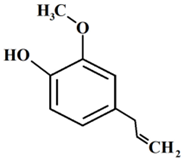
Fig 81.3: Chemical structure of Eugenol, a primary active compound providing a clove-like aroma.
Gallic Acid Structure
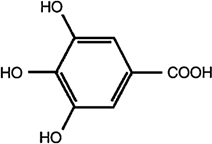
Fig 81.4: Chemical structure of Gallic Acid, a strong antioxidant.
Quercetin Structure
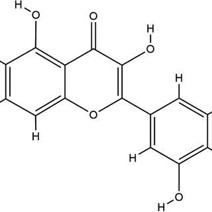
Fig 81.5: Chemical structure of Quercetin, an anti-inflammatory flavonoid.
Mechanism of Action
Cardiovascular Support
- Vasodilation by flavonoids and phenolic compounds
- Antioxidant protection prevents cardiovascular damage
- Anti-inflammatory effects in vascular tissues
- Cardiotonic effects by specific glycosides [2]
Anti-inflammatory Properties
- Cyclooxygenase (COX) inhibition by flavonoids and eugenol
- Lipoxygenase inhibition by phenolic compounds
- Nuclear factor-κB (NF-κB) pathway modulation
- Cytokine production reduction (TNF-α, IL-1β, IL-6) [2, 6]
Antimicrobial Activity
- Cell membrane disruption by eugenol and essential oils
- Protein binding by tannins
- DNA/RNA synthesis inhibition by phenolic compounds
- Biofilm formation inhibition [2, 3]
Astringent and Wound Healing
- Protein precipitation by tannins
- Tissue contraction and bleeding control
- Antimicrobial barrier formation
- Collagen synthesis stimulation [2]
Urinary Tract Support
- Diuretic effects by flavonoids
- Anti-inflammatory action in urinary tissues
- Antimicrobial activity against urinary pathogens
- Tissue healing support [2]
Relevant Biochemical Pathways
Anti-inflammatory Pathway
Eugenol/Flavonoids → COX-1/COX-2 inhibition → ↓ Prostaglandin synthesis → ↓ Inflammation [2, 6]
Antimicrobial Action
Eugenol → Bacterial cell membrane → Membrane disruption → Cell lysis → Death [3]
Tannin Astringent Effect Tannins + Proteins → Tannin-protein complexes → Tissue contraction → Hemostasis [2] Antioxidant Mechanism
Flavonoids + ROS → Flavonoid radicals + H₂O (neutralized radicals) [2]
Traditional Preparation Methods
Cardiovascular Support Tea
- Ingredients: Dried roots and leaves of Yellow Mountain-Avens
- Method: Gentle decoction, simmered for 15-20 minutes
- Dosage: Small amounts, 1-2 cups daily
- Traditional use: Heart conditions, circulatory support [1, 5]
Kidney and Bladder Treatment
- Preparation: Root tea preparation
- Method: Hot water infusion of dried roots
- Application: Internal consumption, 2-3 times daily
- Benefits: Diuretic, anti-inflammatory, antimicrobial effects [1]
Wound Healing Poultice
- Method: Fresh plant material crushed and applied directly
- Application: External application to wounds, cuts, abrasions
- Active compounds: Tannins, eugenol, antimicrobial compounds
- Benefits: Hemostatic, antimicrobial, healing acceleration [1, 5]
Anti-inflammatory Preparation
- Ingredients: Whole plant material
- Method: Traditional extraction methods
- Application: Both internal and external use
- Traditional correlation: Joint pain, muscle soreness, inflammatory conditions [1]
Safety and Dosage Considerations
Safety Profile
- Generally safe when used traditionally in appropriate amounts
- Mild gastrointestinal effects possible with high tannin content
- No significant toxicity reported in traditional literature
- Pregnancy considerations: Traditional caution advised [2]
Traditional Dosage Guidelines
- Internal use: 1-2 teaspoons of dried plant material per cup of water
- External use: Applied as needed to affected areas
- Frequency: 2-3 times daily for acute conditions
- Duration: Short-term use for acute conditions, longer for chronic issues [1, 2]
Contraindications
- High tannin sensitivity: May cause stomach irritation in sensitive individuals
- Iron absorption: High tannin content may interfere with iron absorption
- Pregnancy: Traditional caution during pregnancy and nursing
- Medication interactions: Potential interactions with cardiovascular medications [2]
Important Disclaimers
Cultural Respect: Traditional Indigenous knowledge of Yellow Mountain-Avens represents centuries of accumulated wisdom and practical experience. This knowledge belongs to Indigenous communities and should be approached with appropriate respect, acknowledgment, and cultural protocols. [1, 5]
Limited Specific Research: While extensive research exists on related Geum species, specific studies on Dryas drummondii (Yellow Mountain-Avens) are limited. The medicinal properties described are based on traditional knowledge and research on closely related species. [2, 4]
Medical Disclaimer: This information is provided for educational purposes only. Traditional preparations should not be attempted without proper guidance from qualified practitioners familiar with both traditional methods and modern safety considerations. [2]
Conservation Awareness: Yellow Mountain-Avens grows in sensitive alpine and arctic environments that may be vulnerable to climate change. Sustainable harvesting practices and conservation awareness are essential. [5]
Proper Identification: Accurate botanical identification is crucial, especially in alpine environments where multiple similar species may occur. Consult with qualified botanists or traditional knowledge holders for proper plant identification. [4, 5]
References
- Elders and Community members of the Cayoose Creek Band of Sekw’el’was. (n.d.).
- Mo, X., Zhou, Y., Zhan, M., Zhang, Y., Liu, J., Qiang, H., & Dong, L. (2025). A review of the traditional uses, phytochemistry, pharmacology and toxicity for the genus Geum (Rosaceae). Fitoterapia, 180, 106333. https://doi.org/10.1016/j.fitote.2024.106333
- Owczarek, A., Gudej, J., & Kicel, A. (2013). Composition of essential oil from aerial and underground parts of Geum rivale and G. urbanum growing in Poland. Natural Product Communications, 8 (4), 425–428. https://doi.org/10.1177/1934578X1300800425
- Springer, J. C., & Parfitt, B. D. (2020). Dryas drummondii. In Flora of North America. https://floranorthamerica.org/Dryas_drummondii
- Turner, N. J., Deur, D., & Mellott, C. R. (2011). “Up on the Mountain”: Ethnobotanical importance of montane sites in Pacific Coastal North America. Journal of Ethnobiology, 31 (1), 4–43. https://doi.org/10.2993/0278-0771-31.1.4
- Vogl, S., Picker, P., Mihaly-Bison, J., Fakhrudin, N., Atanasov, A. G., Heiss, E. H., … Kopp, B. (2013). Ethnopharmacological in vitro studies on Austria’s folk medicine—An unexplored lore: In vitro anti-inflammatory activities of 71 Austrian traditional herbal drugs. Journal of Ethnopharmacology, 149 (3), 750–771. https://doi.org/10.1016/j.jep.2013.06.007