123 Upland Larkspur
Names
Common name – Upland Larkspur
Scientific name – Delphinium nuttallianum
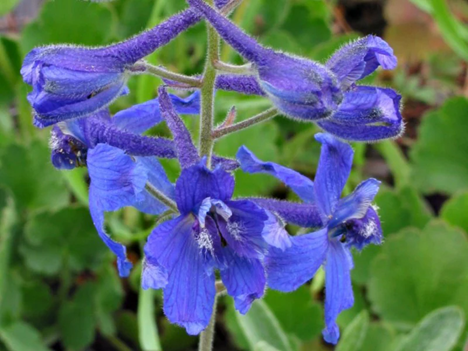
Fig 73.1: A vibrant purple Upland Larkspur blossom showing its distinctive spur structure.
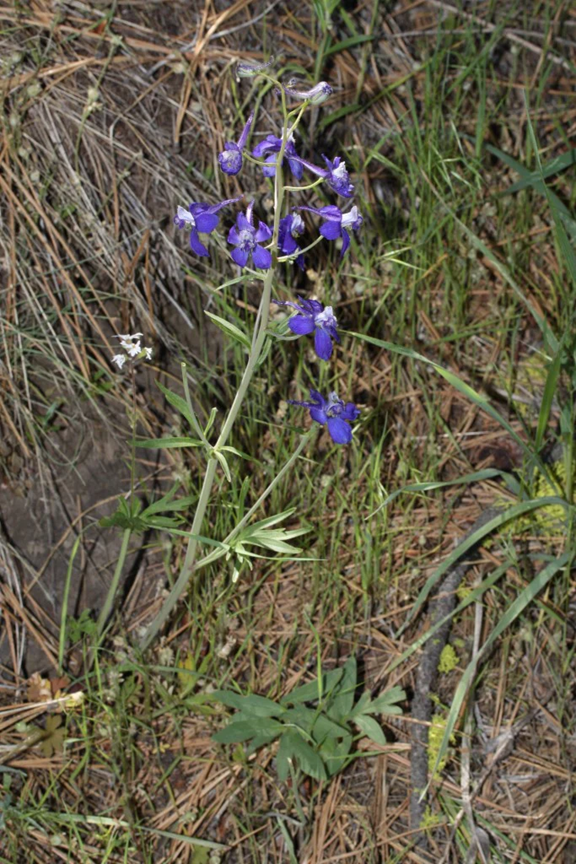
Fig 73.2: Close-up of an Upland Larkspur stem highlighting its deeply lobed leaves and deep blue-purple flowers.
General Information
The plant is highly toxic. [8]
Traditional Indigenous Uses
Upland Larkspur was known as a plant that carried power and danger. It was not a medicine to be used lightly or without proper guidance. Those who had learned carefully from their teachers, knew how to prepare a weak tea from the flowers to treat severe diarrhea in children. Even a small mistake in the amount could turn healing into harm. [2, 7]
This same tea, when used with skill and reverence, was also known to help those who suffered fainting spells or seizures. It was a medicine of last resort, used only when nothing else would bring relief, and even then, only by those who understood its strength. Upland Larkspur was as close to poison as it was to cure, and so it was handled only under the watch of experienced healers. [2, 7]
Despite its danger, Upland Larkspur held other purposes in the community. Its leaves were crushed to create a parasitic wash for treating lice or other pests, but never to be taken internally. The flowers, with their striking color, were also used to make dyes for arrows, regalia, and ceremonial objects. [2, 7]
Biochemical Basis for Medicinal Properties
Primary Active Compounds
Delphinium species contain diterpenoid alkaloids as their main active constituents, which are responsible for both their medicinal and toxic properties. [4, 9]
Key Alkaloids and Their Properties:
- Delphinine – Primary alkaloid with pharmacology like aconitine but with lower acute toxicity [9]
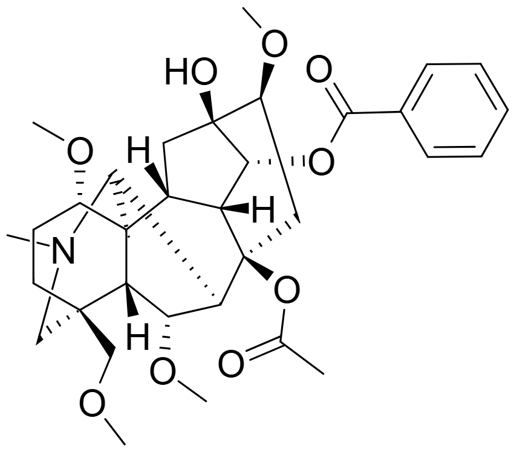
Fig 73.3: Chemical structure of Delphinine, a primary alkaloid found in Upland Larkspur.
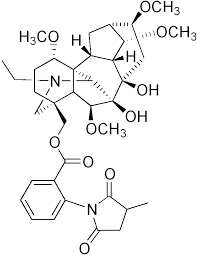
Fig 73.4: Chemical structure of Methyllycaconitine, a major toxic alkaloid present in Delphinium species.
- Other C19-diterpenoid alkaloids – Exhibit analgesic, anti-inflammatory, antiarrhythmic, anti-neoplastic and neuroprotective activities [9]
Mechanism of Action
The diterpenoid alkaloids work primarily through:
- Neuromuscular blocking effects – Contributing to cardiotoxic and neuromuscular paralysis [5, 8]
- Ion channel modulation – Like other diterpenoid alkaloids that affect sodium and calcium channels [9]
- Antimicrobial activity – Contributing to antiparasitic properties [9]
Chemical Structure Characteristics
C19-diterpenoid alkaloids are complex natural products with notable chemical properties and biological activities. [3, 9] These compounds typically feature:
- Polycyclic structures with nitrogen-containing rings
- Multiple hydroxyl and methoxy substituents
- Complex stereochemistry
Important Safety Warnings
Upland Larkspur is highly toxic to humans, and death can occur within a few hours of ingestion through cardiotoxic and neuromuscular blocking effects. [8] Traditional preparation requires learning from experienced elders, as improper use can cause severe illness. [2, 7]
Important Disclaimer
This information is provided for educational purposes only. Upland Larkspur is extremely toxic and should never be used medicinally without expert supervision. Traditional Indigenous knowledge should be respected and not appropriated without proper cultural context and permission.
References
- 1. Drasdo, A., Caulfield, M., Bertrand, D., Bertrand, S., & Wonnacott, S. (1992). Methyllycaconitine: A novel nicotinic antagonist. Molecular and Cellular Neuroscience, 3 (3), 237–243. https://doi.org/10.1021/acsbiomedchemau.2c00057.s001
- 2. Elders and Community members of the Cayoose Creek Band of Sekw’el’was.
- 3. Gardner, D. R., Manners, G. D., Panter, K. E., Lee, S. T., & Pfister, J. A. (2000). Three new toxic norditerpenoid alkaloids from the low larkspur Delphinium nuttallianum. Journal of Natural Products, 63 (8), 1127–1130. https://doi.org/10.1021/np0000116
- 4. Gardner, D. R., & Pfister, J. A. (2007). Toxic alkaloid concentrations in Delphinium nuttallianum, Delphinium andersonii, and Delphinium geyeri in the Intermountain region. Rangeland Ecology & Management, 60 (4), 441–446. https://doi.org/10.2111/1551-5028(2007)60[441:TACIDN]2.0.CO;2
- 5. Green, B. T., Welch, K. D., Panter, K. E., & Lee, S. T. (2013). Plant toxins that affect nicotinic acetylcholine receptors: A review. Chemical Research in Toxicology, 26 (8), 1129–1138. https://doi.org/10.1021/tx400166f
- 6. Majak, W., McDiarmid, R. E., & Benn, M. H. (1987). Isolation and HPLC determination of methyllycaconitine in a species of low larkspur (Delphinium nuttallianum). Journal of Agricultural and Food Chemistry, 35 (5), 800–802. https://doi.org/10.1021/jf00077a039
- 7. Turner, N. J., Bouchard, R., & Kennedy, D. I. D. (1980). Ethnobotany of the Okanagan-Colville Indians of British Columbia and Washington. British Columbia Provincial Museum (Occasional Paper No. 21).
- 8. Welch, K. D., Cook, D., Green, B. T., Gardner, D. R., Pfister, J. A., McDaneld, T. G., & Panter, K. E. (2015). Adverse effects of larkspur (Delphinium) on cattle. Agriculture, 5 (3), 456–474. https://doi.org/10.3390/agriculture5030456
- 9. Yin, T., Cai, L., & Ding, Z. (2020). A systematic review on the chemical constituents of the genus Delphinium and their biological activities. RSC Advances, 10 (11), 6563–6603. https://doi.org/10.1039/d0ra00813c